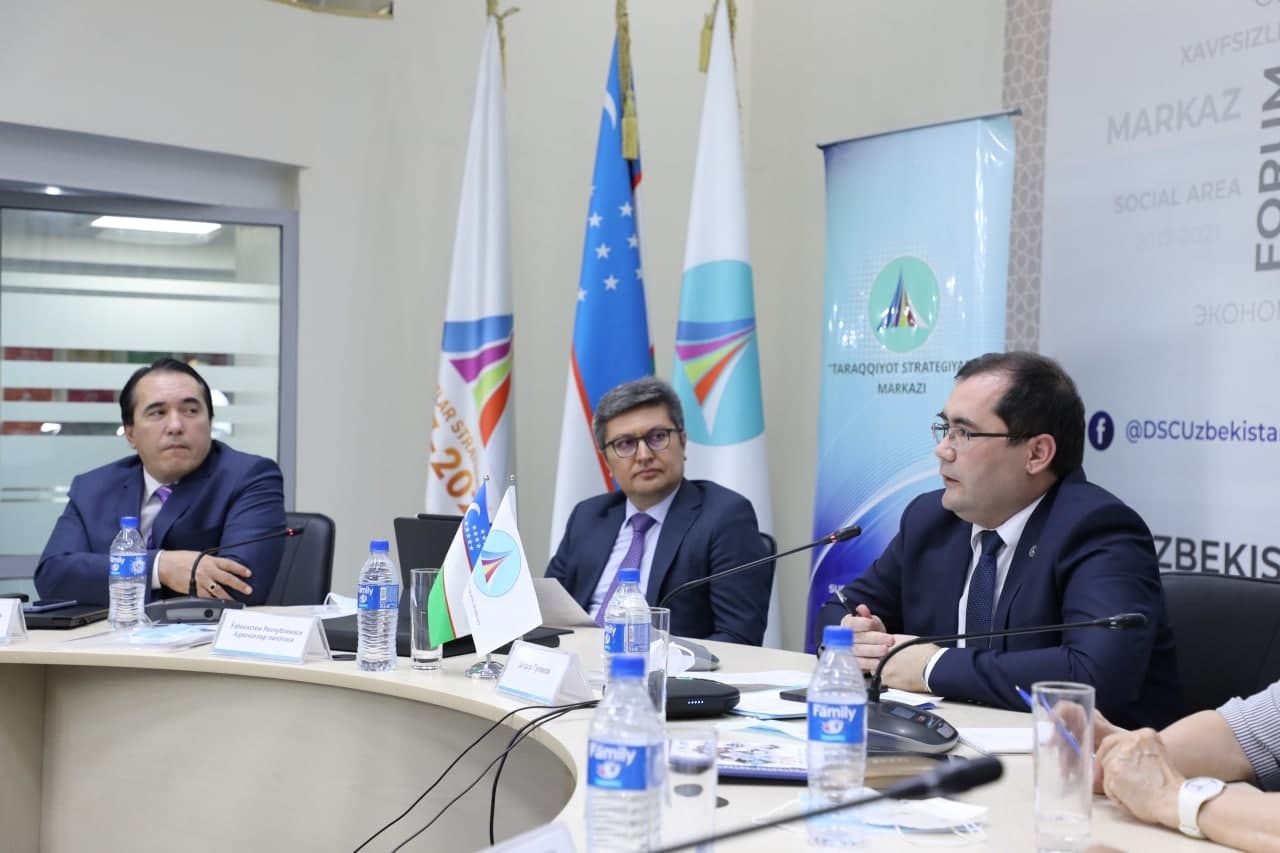
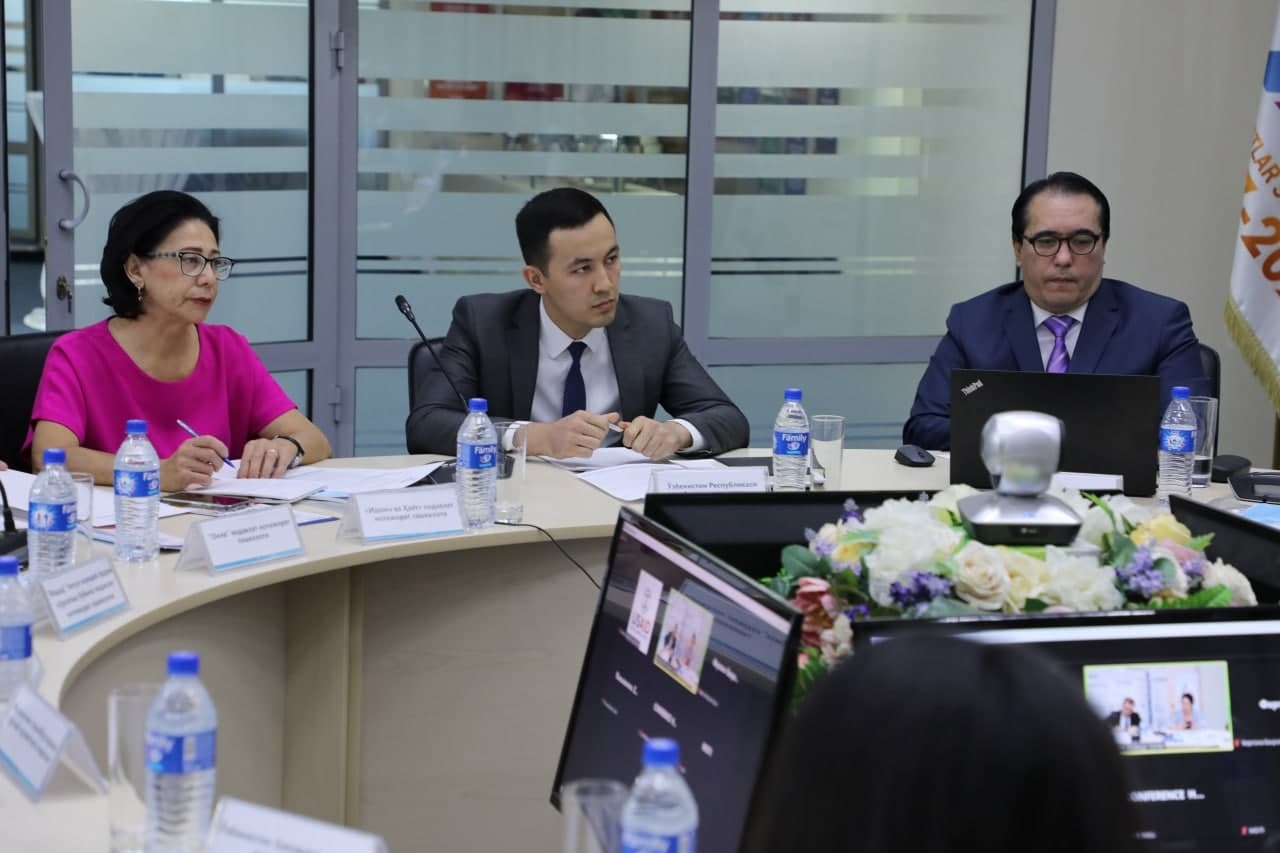
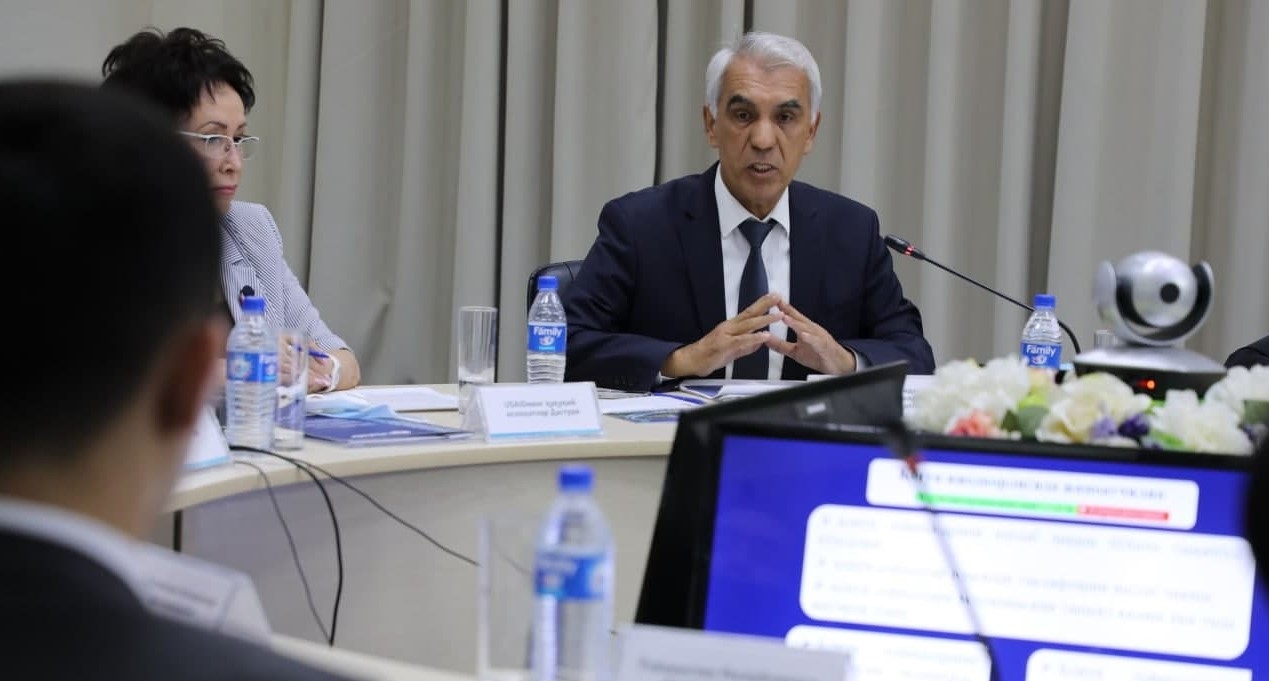
On September 23, the Development Strategy Centre and USAID's Legal Reform Program organized a roundtable discussion on "The legal environment for the development of civil society in Uzbekistan."
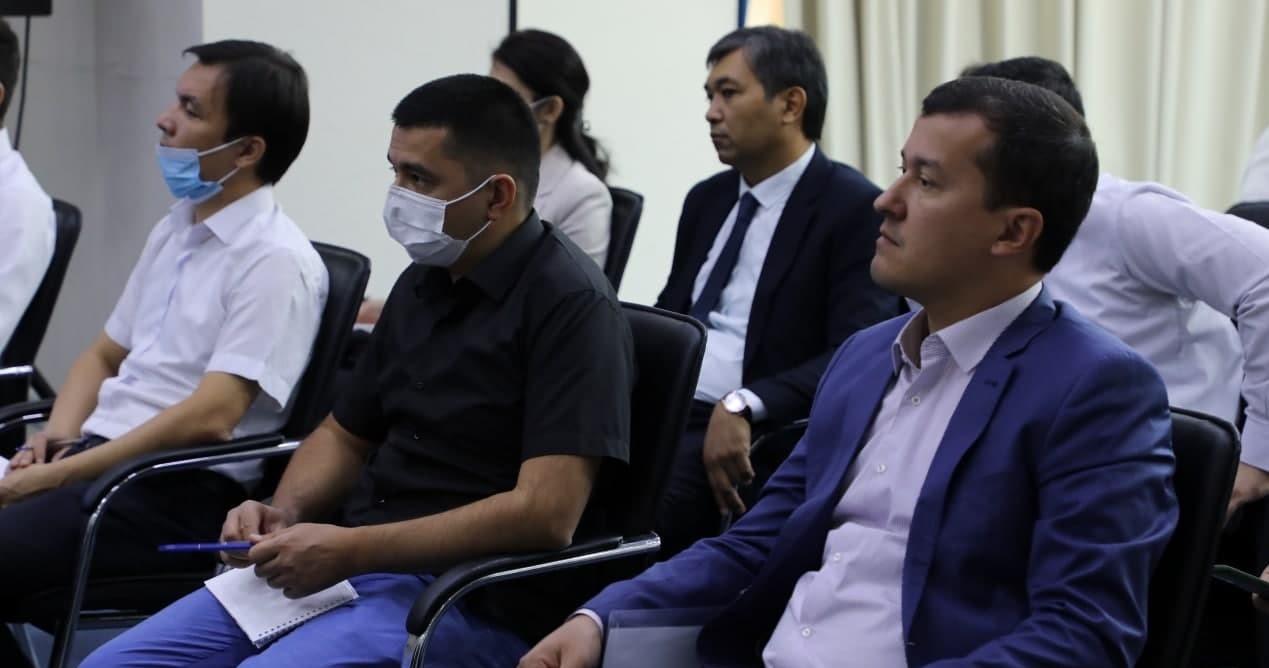
The roundtable was attended by of the staff of the Ministry of Justice of the Republic of Uzbekistan, the Institute for Legislative Problems and Parliamentary Research under the Legislative Chamber of the Oliy Majlis, representatives of the Development Strategy Centre, experts of the USAID Legal Reform Program in Uzbekistan, as well as NGOs and the media.
At the event, the participants discussed in detail the work being done in Uzbekistan to more actively involve civil society in legislative initiatives to create a favourable legal environment for civil society and non-governmental organizations, as well as issues to be addressed in this area.
In particular, in recent years, consistent work has been done to support non-governmental organizations and other civil society institutions, strengthen social partnership between government organizations and NGOs, exercise effective public oversight, as well as improve the legal framework governing this area.
In particular, the concept of civil society development in 2021-2025 was approved, and tasks were set to further improve the regulatory framework that provides legal guarantees for non-governmental non-profit organizations, meets modern democratic requirements and international standards.
Over the past period, about 20 laws, documents of the President of the Republic of Uzbekistan and resolutions of the Government have been adopted. As a result of the created legal framework, the free and sustainable development of NGOs in the country has accelerated. In particular, as of January 1, 1991, there were 95 NGOs in the country, as of January 1, 2000, their number reached 2,585, as of January 1, 2016 - 8,417, and now there are about 9,200. In particular, the fact, that the number of non-governmental non-profit organizations in Uzbekistan has increased by 64.5% over the past five years, clearly demonstrates of the results of these efforts.
At the same time, as a result of reforms in this area, the Public Chamber under the President of the Republic of Uzbekistan was established to represent the interests of non-governmental non-profit organizations, to act as a bridge between them and the state. Also, in order to introduce new effective means of open communication with the population, public councils have been established under government agencies.
During the event, Eldor Tulyakov, Executive Director of the Development Strategy Centre, also provided detailed information on the activities of international NGOs operating in the country.
— As a result of the timely implementation of the tasks set out in the Action Strategy to Support the Activities of NGOs, the ranks of NGOs serving the balance, equality, mutual responsibility and accountability in the relations of the individual, society and the state for social justice are expanding. As a result, there is a revival in the activities of civil society institutions in the country.
It should be noted that dozens of foreign non-governmental organizations have established their representative offices and other representative offices in Uzbekistan on the basis of the UN Development Program. NGOs from about 50 foreign countries, including the World Health Organization, the United Nations Children's Fund (UNICEF), the United States Agency for International Development, the Konrad Adenauer and Friedrich Ebert Foundations, the Korean Agency for International Cooperation, the Turkish Agency for Development and Cooperation, and the Japan International Cooperation Agency. representations are among them.
Currently, work is underway to further improve the framework of legal reforms aimed at ensuring the active participation of civil society in all spheres of society and state life, as well as in the implementation of state programs to achieve the rule of law. In particular, a draft code regulating the role of non-governmental non-profit organizations and the activities of NGOs aimed at creating the rule of law is being developed.
At the end of the event, which was held in the form of a lively discussion, the participants noted the need for a systematic study of the proposals and needs of NGOs in the establishment of effective and constructive dialogue between government and civil society and the creation of effective dialogue platforms for exchange of views on current issues in society.
Development Strategy Centre
Information service
 English
 Русский
 О'zbek


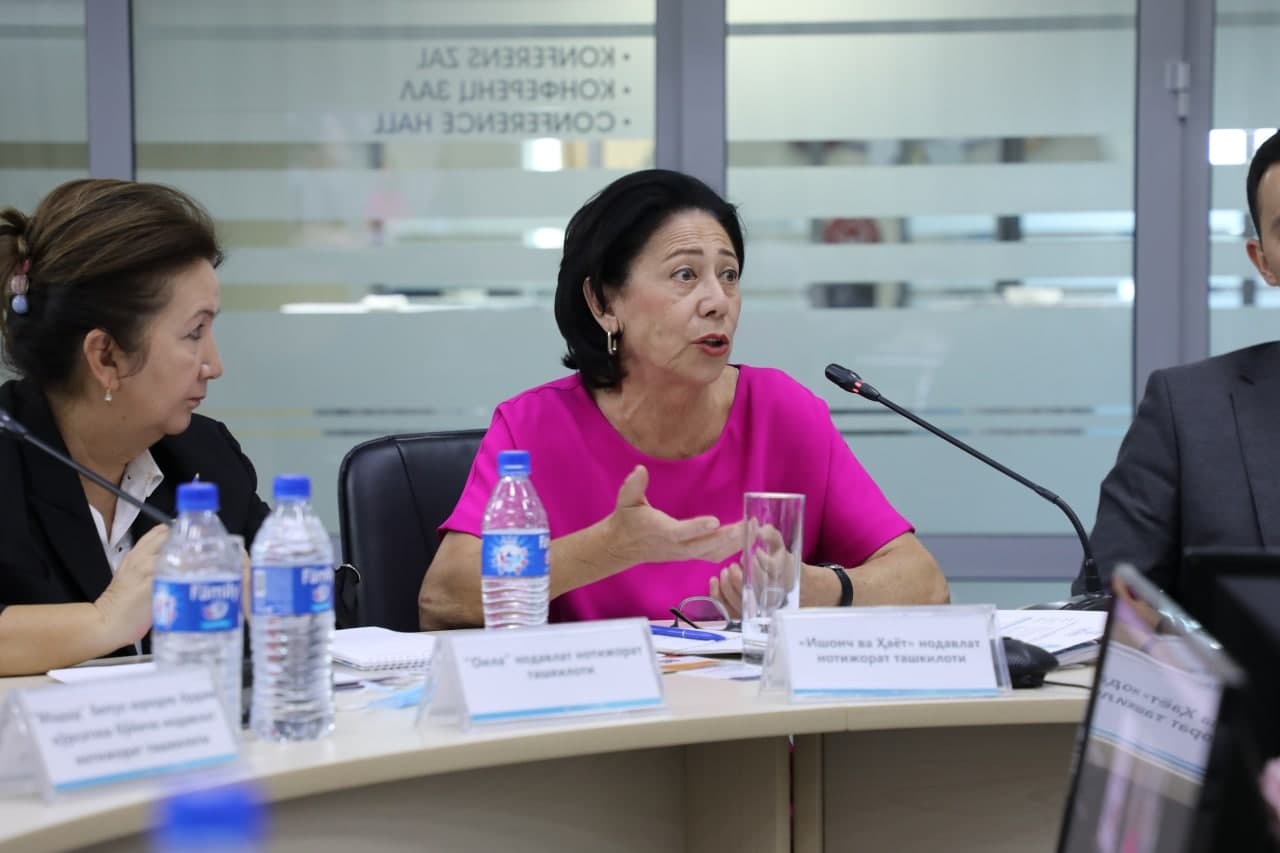

On September 23, the Development Strategy Centre and USAID's Legal Reform Program organized a roundtable discussion on "The legal environment for the development of civil society in Uzbekistan."
The roundtable was attended by of the staff of the Ministry of Justice of the Republic of Uzbekistan, the Institute for Legislative Problems and Parliamentary Research under the Legislative Chamber of the Oliy Majlis, representatives of the Development Strategy Centre, experts of the USAID Legal Reform Program in Uzbekistan, as well as NGOs and the media.
At the event, the participants discussed in detail the work being done in Uzbekistan to more actively involve civil society in legislative initiatives to create a favourable legal environment for civil society and non-governmental organizations, as well as issues to be addressed in this area.
In particular, in recent years, consistent work has been done to support non-governmental organizations and other civil society institutions, strengthen social partnership between government organizations and NGOs, exercise effective public oversight, as well as improve the legal framework governing this area.
In particular, the concept of civil society development in 2021-2025 was approved, and tasks were set to further improve the regulatory framework that provides legal guarantees for non-governmental non-profit organizations, meets modern democratic requirements and international standards.
Over the past period, about 20 laws, documents of the President of the Republic of Uzbekistan and resolutions of the Government have been adopted. As a result of the created legal framework, the free and sustainable development of NGOs in the country has accelerated. In particular, as of January 1, 1991, there were 95 NGOs in the country, as of January 1, 2000, their number reached 2,585, as of January 1, 2016 - 8,417, and now there are about 9,200. In particular, the fact, that the number of non-governmental non-profit organizations in Uzbekistan has increased by 64.5% over the past five years, clearly demonstrates of the results of these efforts.
At the same time, as a result of reforms in this area, the Public Chamber under the President of the Republic of Uzbekistan was established to represent the interests of non-governmental non-profit organizations, to act as a bridge between them and the state. Also, in order to introduce new effective means of open communication with the population, public councils have been established under government agencies.
During the event, Eldor Tulyakov, Executive Director of the Development Strategy Centre, also provided detailed information on the activities of international NGOs operating in the country.
— As a result of the timely implementation of the tasks set out in the Action Strategy to Support the Activities of NGOs, the ranks of NGOs serving the balance, equality, mutual responsibility and accountability in the relations of the individual, society and the state for social justice are expanding. As a result, there is a revival in the activities of civil society institutions in the country.
It should be noted that dozens of foreign non-governmental organizations have established their representative offices and other representative offices in Uzbekistan on the basis of the UN Development Program. NGOs from about 50 foreign countries, including the World Health Organization, the United Nations Children's Fund (UNICEF), the United States Agency for International Development, the Konrad Adenauer and Friedrich Ebert Foundations, the Korean Agency for International Cooperation, the Turkish Agency for Development and Cooperation, and the Japan International Cooperation Agency. representations are among them.
Currently, work is underway to further improve the framework of legal reforms aimed at ensuring the active participation of civil society in all spheres of society and state life, as well as in the implementation of state programs to achieve the rule of law. In particular, a draft code regulating the role of non-governmental non-profit organizations and the activities of NGOs aimed at creating the rule of law is being developed.
At the end of the event, which was held in the form of a lively discussion, the participants noted the need for a systematic study of the proposals and needs of NGOs in the establishment of effective and constructive dialogue between government and civil society and the creation of effective dialogue platforms for exchange of views on current issues in society.
Development Strategy Centre
Information service