Eldor Tulyakov,
Development Strategy Center
Executive Director
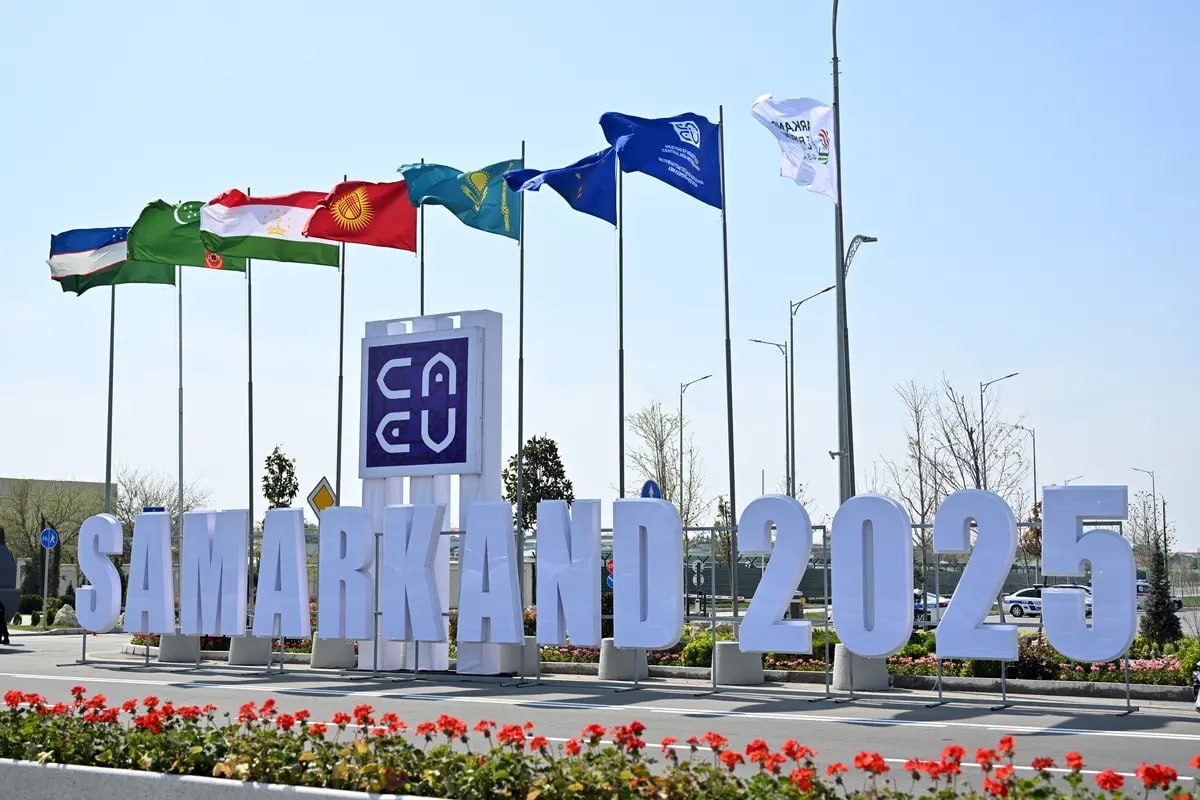
On April 3-4 of this year, the city of Samarkand hosted an important political event of historical significance - the first “Central Asia - European Union” Summit. Such a high-level international meetings often create the impression that they are connected with diplomatic communication, political comments, and official statements. However, this summit was not limited to the political framework of initiatives and agreements, but provided for concrete and practical results that should be reflected in the daily life of every citizen.
In particular, the resolutions adopted and initiatives put forward within the framework of the summit are aimed at a number of important areas - creating new jobs, promoting economic growth, expanding opportunities for exporting domestic products to European markets, developing educational and scientific cooperation, ensuring "green energy" and environmental sustainability, strengthening transport and regional connectivity, and revitalizing tourism and cultural exchange. It also serves the well-being of every citizen by deepening cooperation in the field of security and human rights.
 Therefore, the Samarkand Summit is of particular importance, as it marks a new stage in the strategic partnership between Central Asia and the European Union and expands the scope of practical activities in the interests of citizens.
European Commission President Ursula von der Leyen, who attended the summit, noted that the “Global Gateway” initiative will provide strategic investments of 12 billion euros to Central Asia. The funds will be used to implement projects related to transport infrastructure, renewable energy sources, digital communications, and key strategic raw materials.
First, thousands of new jobs will be created in construction, logistics, information technology, telecommunications, and service sectors. Second, major infrastructure projects will modernize the region’s transport and energy sectors and strengthen the connections between sectors of the national economy.
Most importantly, these projects will not only boost economic activity, but also create new opportunities, favourable conditions, and a solid social infrastructure for the population. This will improve the standard of living in cities and villages, increase the quality of transport, energy supply, and access to digital services, and fundamentally change the lives of citizens.
Also, within the framework of the Summit, important agreements were reached on strengthening trade and investment ties between the European Union and the countries of Central Asia. This, in turn, will serve to expand the opportunities for exporting products manufactured in Uzbekistan to European markets.
Such opportunities will strengthen the potential to stimulate local entrepreneurial activity, increase production volumes and participate in foreign markets with competitive products. Of course, the institutional support of the European Union in technical regulations, product standards and certification plays an important role in this. This will ensure the compliance of national products with international requirements and significantly facilitate the process of exporting them to foreign markets. Along with economic growth, social stability will also be strengthened.
Important agreements by industry
During the summit important agreements were also reached in the field of education. Among them, the expansion of the European Union’s Erasmus+ program and the allocation of additional quotas for young people from Central Asia. This will annually allow hundreds of young people to study at European universities, improve their skills, and gain experience in an international academic environment.
It was also proposed to open a regional representative office of the Horizon Europe research program in Uzbekistan. Through this platform, it is planned to implement joint scientific cooperation projects in such modern areas as artificial intelligence, big data, digitalization, and space research.
The establishment of educational and scientific cooperation in this way will expand the opportunities for our children to acquire profound modern knowledge and skills, increasing their competitiveness in the international labour market. Most importantly, this process serves to train highly qualified personnel capable of implementing the reforms being carried out in our country. Therefore, this is not just education, but one of the most important strategic investments in the future of our youth and our country.
Uzbekistan has set a strategic goal to increase the share of renewable sources in the energy balance to 54 percent by 2030. Cooperation with the European Union is of particular importance in achieving this. Within the framework of the summit, specific agreements were reached on the implementation of joint projects in the field of renewable energy sources - solar and wind energy, the export of electricity to European markets, and the development of investment platforms for "green" energy.
It is also planned to form a market for carbon credits and coordinate policy on adaptation to climate change, to create working groups between ministries in this area. These initiatives are aimed not only at modernizing the energy sector, but also at protecting the environment and creating a clean, safe living environment for the population.
This approach, in turn, contributes to improving the health and quality of life of the population, maintaining a moderate climate, and expanding opportunities for living in a stable environment. At the same time, the growth of economic activity and production volumes requires a responsible and modern approach to environmental issues. “Green” energy projects must meet these requirements and, along with economic development, ensure environmental sustainability. Therefore, cooperation in this area can lead to effective results not only in the economic, but also in the social and environmental aspects.
Another important issue is the agreements on expanding the Trans-Caspian transport corridor, updating the logistics system in the region, and intensifying interregional ties. Within the framework of the “Global Gateway” initiative, the European Union has expressed its intention to direct investments in the amount of 10 billion euros. During the summit, an agreement was reached to continue the implementation of these projects.
Such infrastructure cooperation will significantly facilitate access for domestic producers to the European market, reduce logistics costs, shorten delivery times, and increase product competitiveness. At the same time, it will have a positive impact on the business environment and the overall economic climate in our country.
In general, the development of the Trans-Caspian Transport Corridor is not only a geo-economic project, but also a strategic practical step aimed at ensuring rapprochement between countries and serving the interests of citizens.
Speaking about the significance of this authoritative summit, one should mention, that not only economic or geopolitical issues, but also issues of human and cultural rapprochement between societies hold a special place in it. In particular, projects aimed at bringing the population of our regions closer together, stimulating cultural exchange, and widely promoting their common history and traditions are of great importance.
Just for this purpose, a special opinion was expressed at the Summit on the upcoming “Central Asia - European Union” Tourism Forum, which is planned to be held in Bukhara in 2025. This forum is expected to take tourism cooperation between the countries of the region and Europe to a new level. At the same time, an initiative was put forward to introduce a unified Central Asian visa system based on the “One Tour - Entire Region” concept.
This, in turn, will contribute to a sharp increase in the flow of international tourists, the dynamic development of the local economy, especially the service sector and handicrafts, and most importantly, an increase in household incomes and social activity. Also, each region will have the opportunity to demonstrate its culture, historical heritage, and national values to the world community. Thus, cooperation in tourism is an effective means of not only economic, but also cultural and spiritual rapprochement.
Security and human rights
As the President of the Republic of Uzbekistan Shavkat Mirziyoyev noted in his speech on the eve of the summit, ensuring regional security has always been one of the top priorities for the countries of Central Asia and has not lost its significance today. European Commission President Ursula von der Leyen also noted security cooperation as one of the main areas of bilateral relations.
In this regard, within the framework of the Summit, agreements were reached on the development of new cooperation mechanisms in such important areas as strengthening cybersecurity, combating extremism and drug trafficking, protecting borders, and preventing radicalization. In this regard, it is envisaged to further expand practical cooperation within the framework of such programs as "BOMCA" (Border Management Programme in Central Asia).
In addition, the issues of human rights, gender equality, civil society development, and support for independent media were identified as one of the permanent and priority areas of cooperation with the European Union. Joint initiatives in these areas, along with strengthening legal and social guarantees, play an important role in ensuring the safety and freedom of every citizen.
Such comprehensive agreements on security and human rights issues will undoubtedly become an important factor in strengthening mutual trust between our countries, guaranteeing the well-being of the population, and ensuring sustainable development. This aspect of the summit is expected to yield practical results also in the protection of regional stability, as well as universal human values.
In conclusion, it should be noted that the Samarkand summit should be viewed not only as a diplomatic success, but also as a strategic reality that will lay the foundation for significant positive changes in the life of every citizen. Indeed, these investments, cooperation in education and energy, transport and logistics projects, trade and economic agreements, and initiatives aimed at supporting human rights and civil society play an important role in improving the well-being of ordinary people.
This historic summit brought the two regions - Central Asia and the European Union - closer in economic, cultural, scientific, educational, and political terms. In today’s unstable global environment, we hope that such open, reliable, and forward-looking cooperation platforms will contribute to the development of the region.
The most important thing is the effective and timely implementation of the goals and agreements set at the summit. Only then will each of us have the opportunity to clearly feel the way this high-level meeting has a positive impact on the lives of ordinary citizens.
 English
 Русский
 О'zbek


