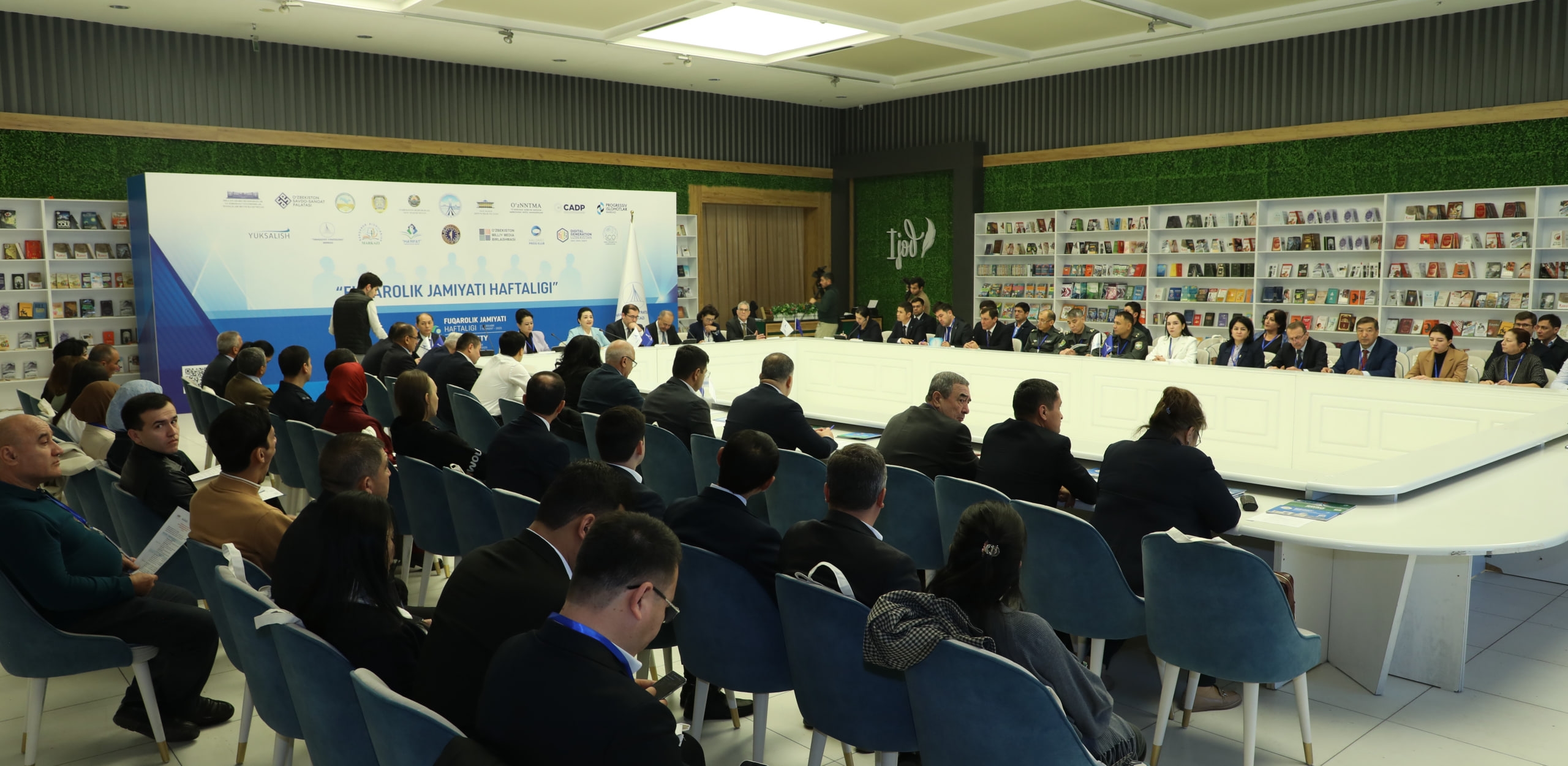
On December 2, 2025, a round table was held at the Youth Creativity Palace in Tashkent on the topic “The Role of Non-Governmental Non-Profit Organizations in Implementing and Ensuring the Implementation of the ‘Uzbekistan-2030’ Strategy”.
The event was organized within the framework of “Civil Society Week” by the Development Strategy Center together with the Legislative Chamber of the Oliy Majlis of the Republic of Uzbekistan, the Public Fund for Supporting Civil Society Institutions under the Oliy Majlis, and the Agency for Strategic Development and Reforms under the President of the Republic of Uzbekistan, with the participation of representatives of state bodies, ministries and agencies, NGOs, international organizations, and the media.
It should be noted that the ‘Uzbekistan – 2030’ strategy is an important document that defines the main directions of the country’s development, aimed at the interests of the individual and the coverage of all segments of society. In the Decree of the President of the Republic of Uzbekistan dated September 11, 2023, No. UP-158 “On the ‘Uzbekistan – 2030’ Strategy,” special attention is paid to the wide involvement of civil society institutions in the implementation of the strategy, ensuring their participation in the monitoring process.
In this regard, the role of NGOs as an active, independent, and proactive institution in society is increasing. During the round table, practical proposals were developed for strengthening this cooperation, clearly defining the mechanisms of interaction, and further steps.
At the event, the Executive Director of the Development Strategy Center, Eldor Tulyakov, noted that the ‘Uzbekistan – 2030’ strategy is a people’s strategy, that the focus of reforms should be on the interests of the individual, public opinion, civil oversight, and the activities of NGOs are important criteria for evaluating the implementation of the strategy, and strengthening open dialogue between the state and society is a crucial requirement of today.
– Where the people are in the heart of the reforms, the strategy will be successful. In the context of current global challenges, no state can carry out reforms alone. Harmony between the state and society, open dialogue, and mutual trust have become the main criteria for effective governance. Therefore, the role of civil society institutions today is the core of practical state policy.
The role of civil society in building a democratic state based on the rule of law is a requirement of our time. The effectiveness of public administration now depends not only on internal processes, but also on the extent to which the state listens, explains, and is accountable, said Eldor Tulyakov.
During the event, information was also presented on the special online portal ‘uzbekistan2030.uz’, launched to study effective public control over the consistent, high-quality and timely implementation of the strategy’s goals and indicators.
It was noted that through this platform, which is run by the Development Strategy Center, the population has the opportunity to express their opinions and suggestions on the implementation of the Strategy and State Programmes, as well as on each of the goals and indicators. In turn, the Center’s staff summarise all suggestions and initiatives and submit them to the Republican Commission on a monthly basis.
Information on the progress of the strategy’s implementation in accordance with the UN Sustainable Development Goals is also analysed and published annually. The event featured a presentation of the platform, providing information about its capabilities, including the presentation of public opinion, open data on the implementation of the Strategy and state programmes, the mechanism for presenting public opinion on it, and the procedure for publishing detailed statistical information on projects.
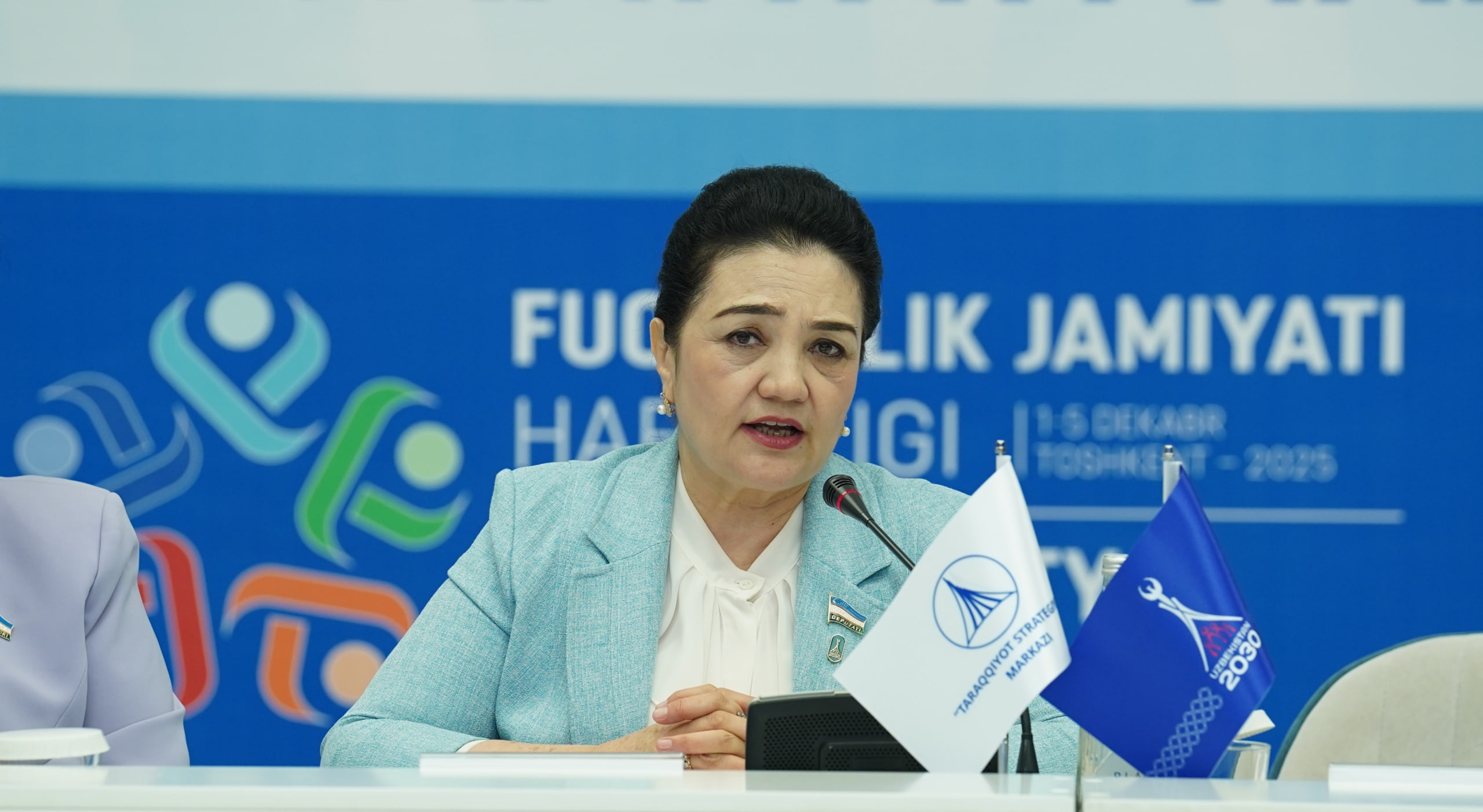
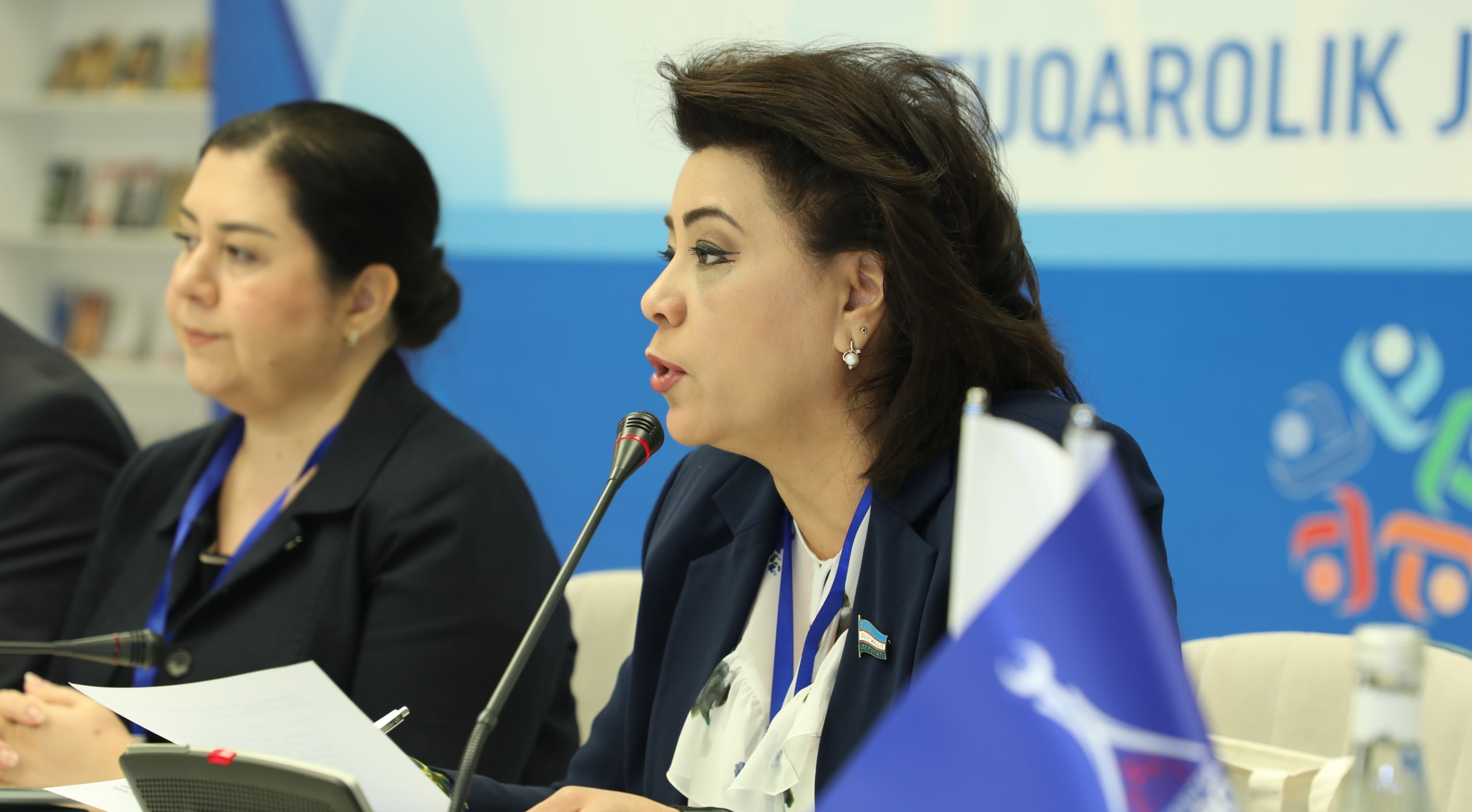
Deputy Speaker of the Legislative Chamber of the Oliy Majlis of the Republic of Uzbekistan, Mavludakhon Khodjaeva, who took part in the round table, spoke about the legal framework created over the years of independence for the development of civil society in our country, the new stage of development that began in 2016, the significance of presidential decrees, the expansion of civil society institutions’ participation in law making and parliamentary control, as well as measures aimed at ensuring the implementation of the ‘Uzbekistan-2030’ strategy, improving the quality of laws, strengthening public control and increasing social activity.
– Expanding constructive dialogue and cooperation between parliament and civil society institutions is becoming increasingly important.
To date, organisational and practical mechanisms for our activities in this area have been established.
In particular, the creation of Public Councils for each committee of the Legislative Chamber has further expanded the participation of civil society institutions in the processes of rule-making and parliamentary control, said the Deputy Speaker.
During the event, representatives of ministries and departments also spoke about the reforms being carried out as part of the ‘Uzbekistan – 2030’ Strategy and State Programmes, and their significance in the lives of our people.
In particular, detailed information was provided on the reforms being carried out in the energy sector, ‘green energy’ projects and the importance of public cooperation in this process, the work being done on energy conservation among the population, environmental and social projects implemented with NGOs, the implementation of the nationwide ‘Green Space’ project with public participation, the supportive role of NGOs in environmental protection and raising environmental awareness, new comprehensive initiatives to improve the environmental situation, raising water conservation awareness, and joint projects with NGOs on water resource management.
The round table resulted in ideas for creating new grant mechanisms for NGOs, improving information exchange with government agencies, further strengthening the legal basis for public oversight, increasing the effectiveness of NGO participation in environmental and social programmes, and utilising international experience in implementing Uzbekistan’s national strategies.
Development Strategy Center
Information Service
 English
 Русский
 О'zbek


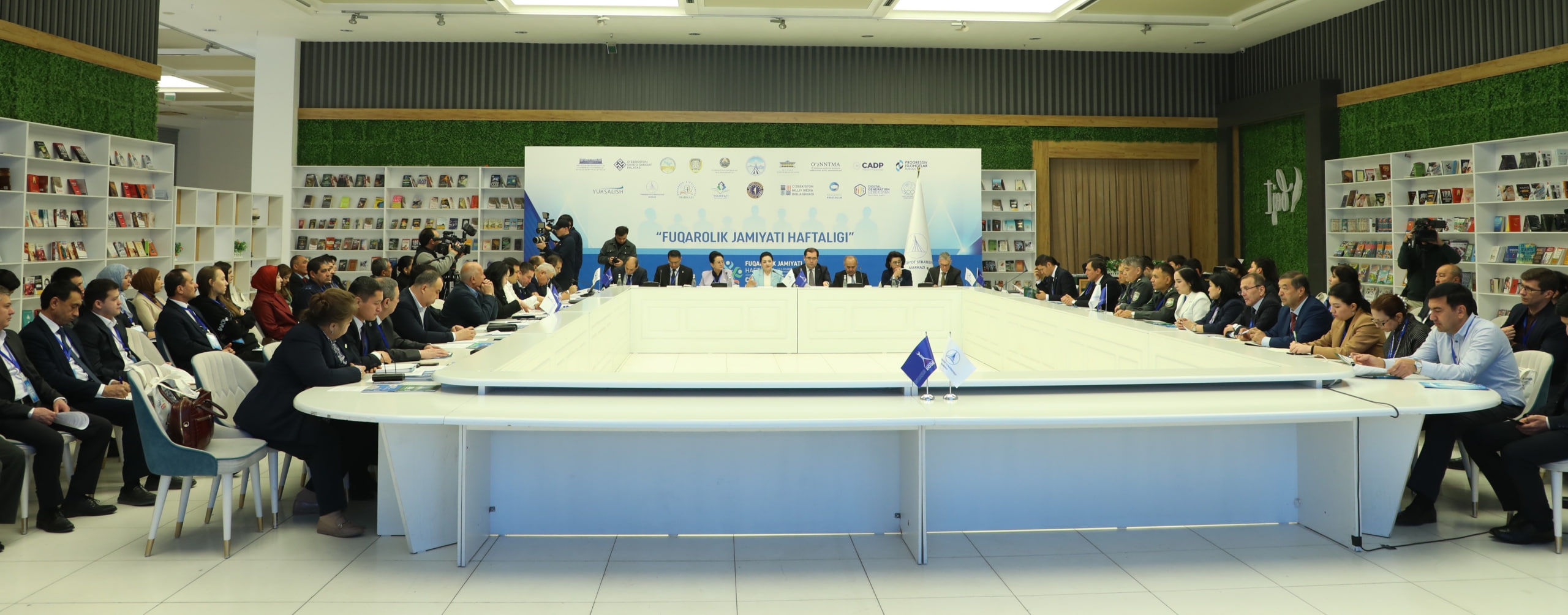
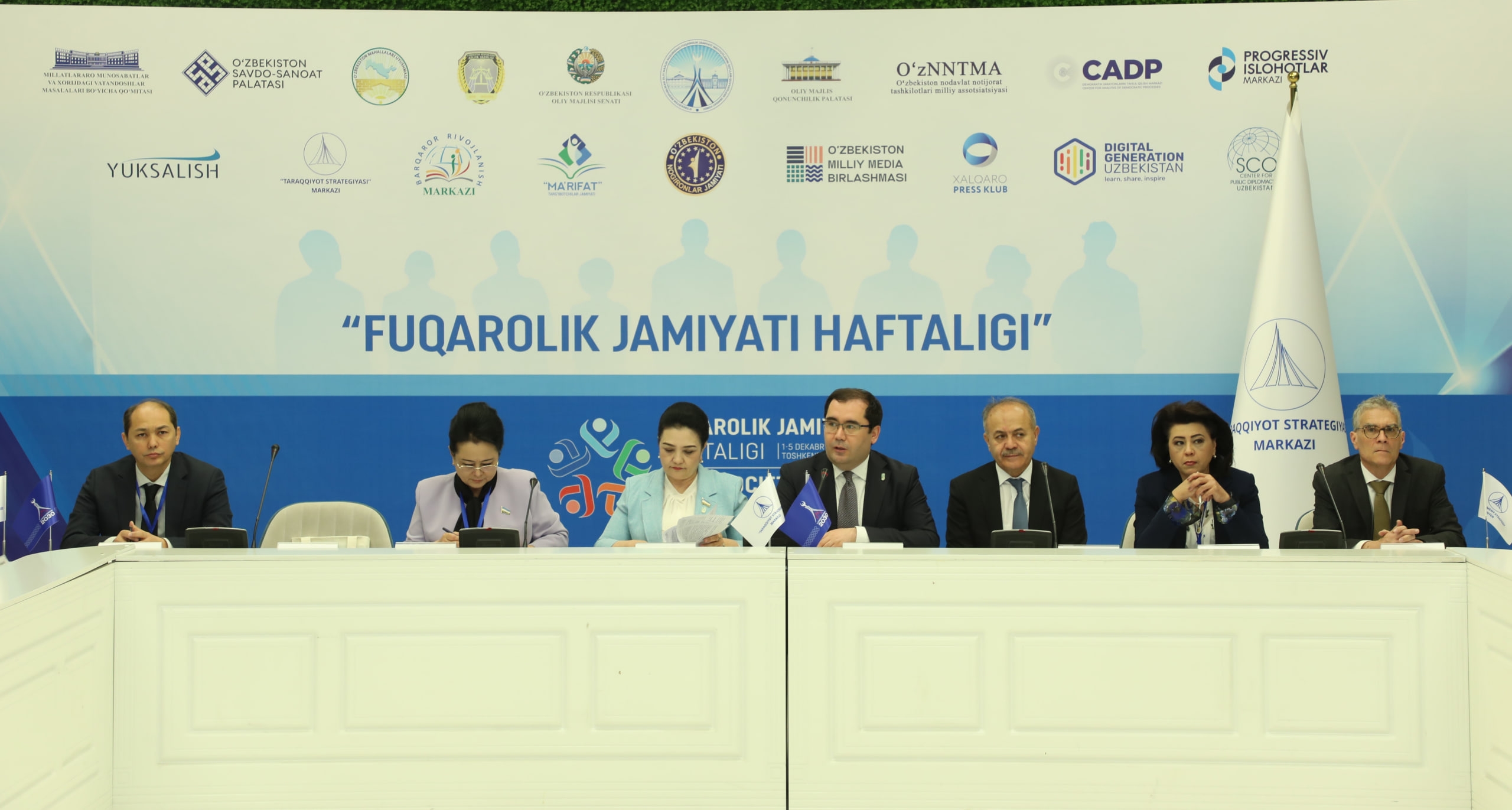
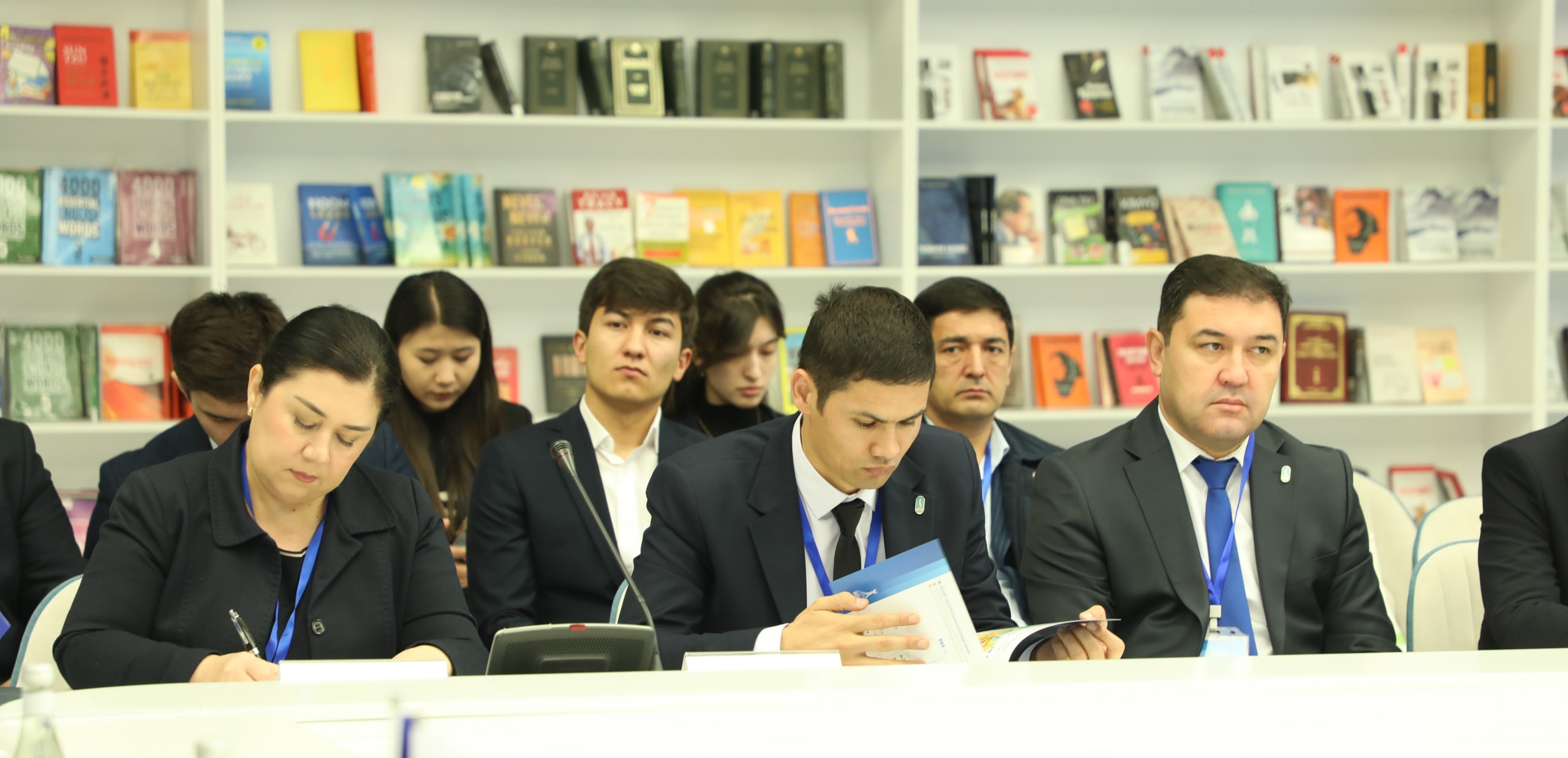
On December 2, 2025, a round table was held at the Youth Creativity Palace in Tashkent on the topic “The Role of Non-Governmental Non-Profit Organizations in Implementing and Ensuring the Implementation of the ‘Uzbekistan-2030’ Strategy”.
The event was organized within the framework of “Civil Society Week” by the Development Strategy Center together with the Legislative Chamber of the Oliy Majlis of the Republic of Uzbekistan, the Public Fund for Supporting Civil Society Institutions under the Oliy Majlis, and the Agency for Strategic Development and Reforms under the President of the Republic of Uzbekistan, with the participation of representatives of state bodies, ministries and agencies, NGOs, international organizations, and the media.
It should be noted that the ‘Uzbekistan – 2030’ strategy is an important document that defines the main directions of the country’s development, aimed at the interests of the individual and the coverage of all segments of society. In the Decree of the President of the Republic of Uzbekistan dated September 11, 2023, No. UP-158 “On the ‘Uzbekistan – 2030’ Strategy,” special attention is paid to the wide involvement of civil society institutions in the implementation of the strategy, ensuring their participation in the monitoring process.
In this regard, the role of NGOs as an active, independent, and proactive institution in society is increasing. During the round table, practical proposals were developed for strengthening this cooperation, clearly defining the mechanisms of interaction, and further steps.
At the event, the Executive Director of the Development Strategy Center, Eldor Tulyakov, noted that the ‘Uzbekistan – 2030’ strategy is a people’s strategy, that the focus of reforms should be on the interests of the individual, public opinion, civil oversight, and the activities of NGOs are important criteria for evaluating the implementation of the strategy, and strengthening open dialogue between the state and society is a crucial requirement of today.
– Where the people are in the heart of the reforms, the strategy will be successful. In the context of current global challenges, no state can carry out reforms alone. Harmony between the state and society, open dialogue, and mutual trust have become the main criteria for effective governance. Therefore, the role of civil society institutions today is the core of practical state policy.
The role of civil society in building a democratic state based on the rule of law is a requirement of our time. The effectiveness of public administration now depends not only on internal processes, but also on the extent to which the state listens, explains, and is accountable, said Eldor Tulyakov.
During the event, information was also presented on the special online portal ‘uzbekistan2030.uz’, launched to study effective public control over the consistent, high-quality and timely implementation of the strategy’s goals and indicators.
It was noted that through this platform, which is run by the Development Strategy Center, the population has the opportunity to express their opinions and suggestions on the implementation of the Strategy and State Programmes, as well as on each of the goals and indicators. In turn, the Center’s staff summarise all suggestions and initiatives and submit them to the Republican Commission on a monthly basis.
Information on the progress of the strategy’s implementation in accordance with the UN Sustainable Development Goals is also analysed and published annually. The event featured a presentation of the platform, providing information about its capabilities, including the presentation of public opinion, open data on the implementation of the Strategy and state programmes, the mechanism for presenting public opinion on it, and the procedure for publishing detailed statistical information on projects.
Deputy Speaker of the Legislative Chamber of the Oliy Majlis of the Republic of Uzbekistan, Mavludakhon Khodjaeva, who took part in the round table, spoke about the legal framework created over the years of independence for the development of civil society in our country, the new stage of development that began in 2016, the significance of presidential decrees, the expansion of civil society institutions’ participation in law making and parliamentary control, as well as measures aimed at ensuring the implementation of the ‘Uzbekistan-2030’ strategy, improving the quality of laws, strengthening public control and increasing social activity.
– Expanding constructive dialogue and cooperation between parliament and civil society institutions is becoming increasingly important.
To date, organisational and practical mechanisms for our activities in this area have been established.
In particular, the creation of Public Councils for each committee of the Legislative Chamber has further expanded the participation of civil society institutions in the processes of rule-making and parliamentary control, said the Deputy Speaker.
During the event, representatives of ministries and departments also spoke about the reforms being carried out as part of the ‘Uzbekistan – 2030’ Strategy and State Programmes, and their significance in the lives of our people.
In particular, detailed information was provided on the reforms being carried out in the energy sector, ‘green energy’ projects and the importance of public cooperation in this process, the work being done on energy conservation among the population, environmental and social projects implemented with NGOs, the implementation of the nationwide ‘Green Space’ project with public participation, the supportive role of NGOs in environmental protection and raising environmental awareness, new comprehensive initiatives to improve the environmental situation, raising water conservation awareness, and joint projects with NGOs on water resource management.
The round table resulted in ideas for creating new grant mechanisms for NGOs, improving information exchange with government agencies, further strengthening the legal basis for public oversight, increasing the effectiveness of NGO participation in environmental and social programmes, and utilising international experience in implementing Uzbekistan’s national strategies.
Development Strategy Center
Information Service