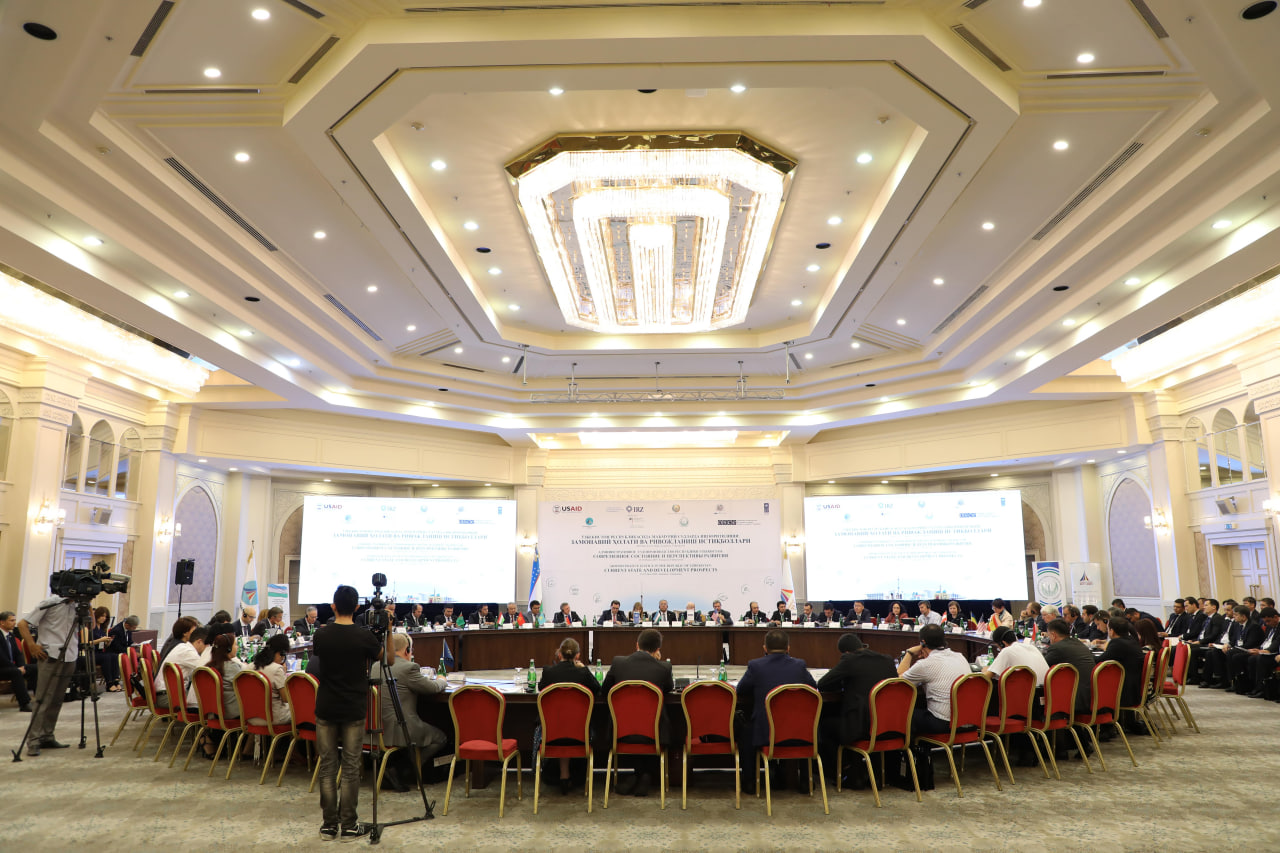
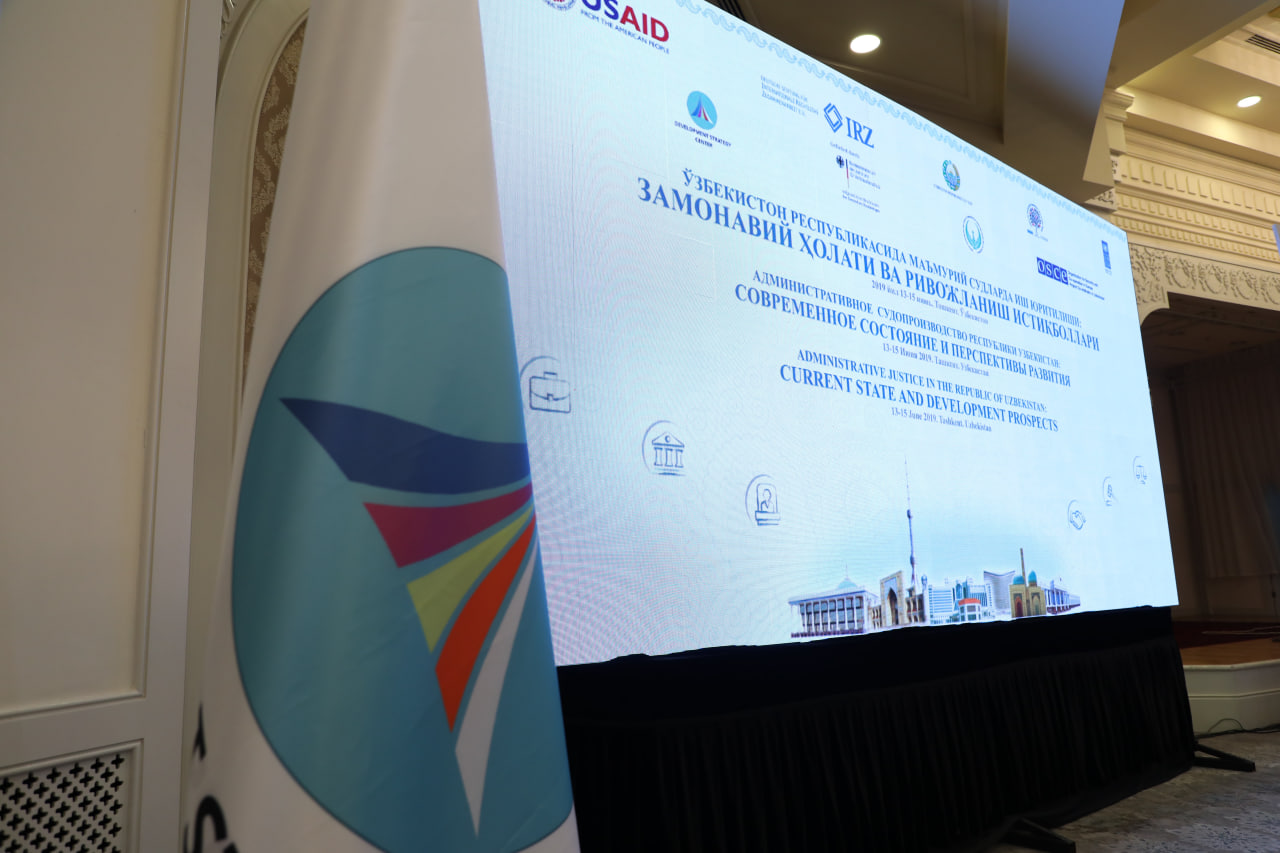
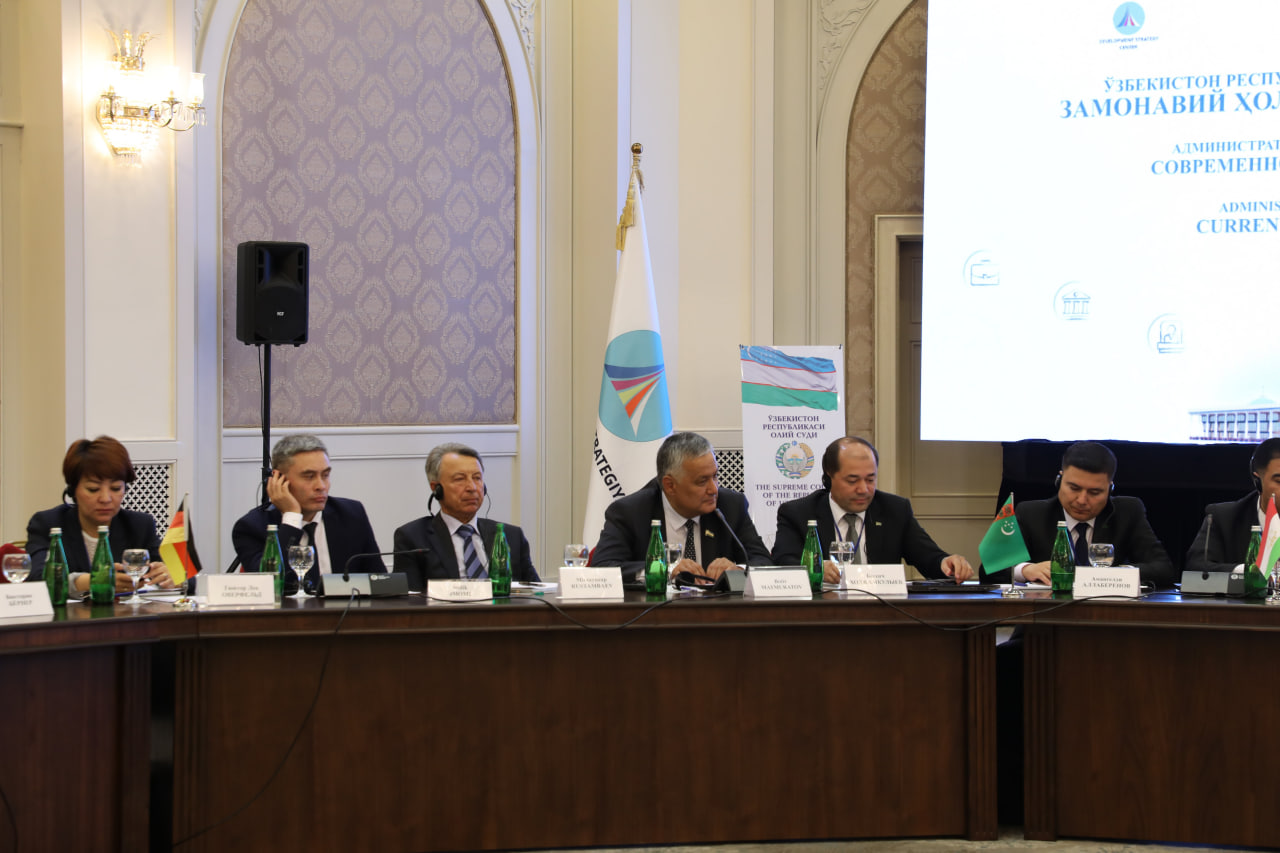
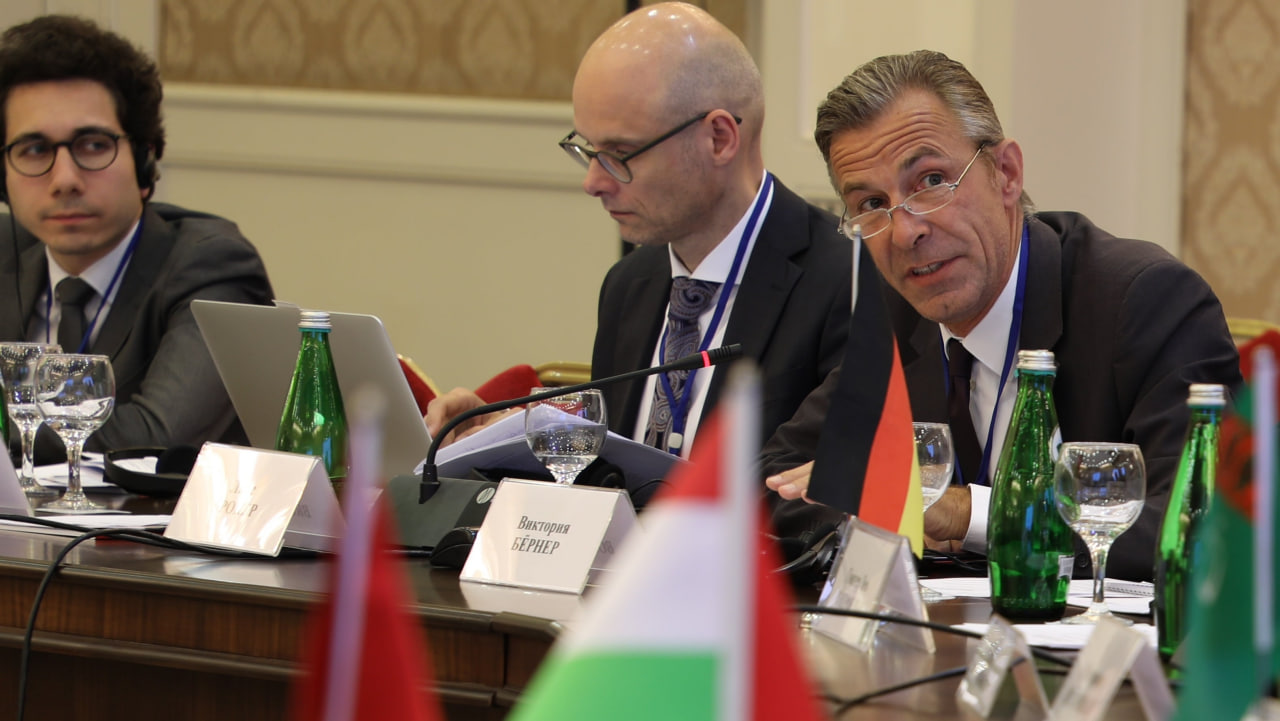
The ongoing International Conference on ‘Administrative Procedures in the Republic of Uzbekistan: Current State and Development Prospects’ in Tashkent is expected to improve the judicial and legal area with an eye to modern requirements, and exchange experience. Initiated by the Supreme Court of the Republic of Uzbekistan in partnership with the Development Strategy Center, the National Human Rights Center of the Republic of Uzbekistan, United Nations Development Program in Uzbekistan, the OSCE Office for Democratic Institutions and Human Rights, the OSCE Project Coordinator in Uzbekistan, the United States Agency for International Development (USAID) and the German Foundation for International Legal Cooperation (IRZ), the conference will wrap up on June 15.
The conference is part of the roadmap on the implementation of the outcomes of the last year’s Asian Forum on Human Rights in Samarkand dedicated to the 70th anniversary of adoption of the Universal Declaration of Human Rights.
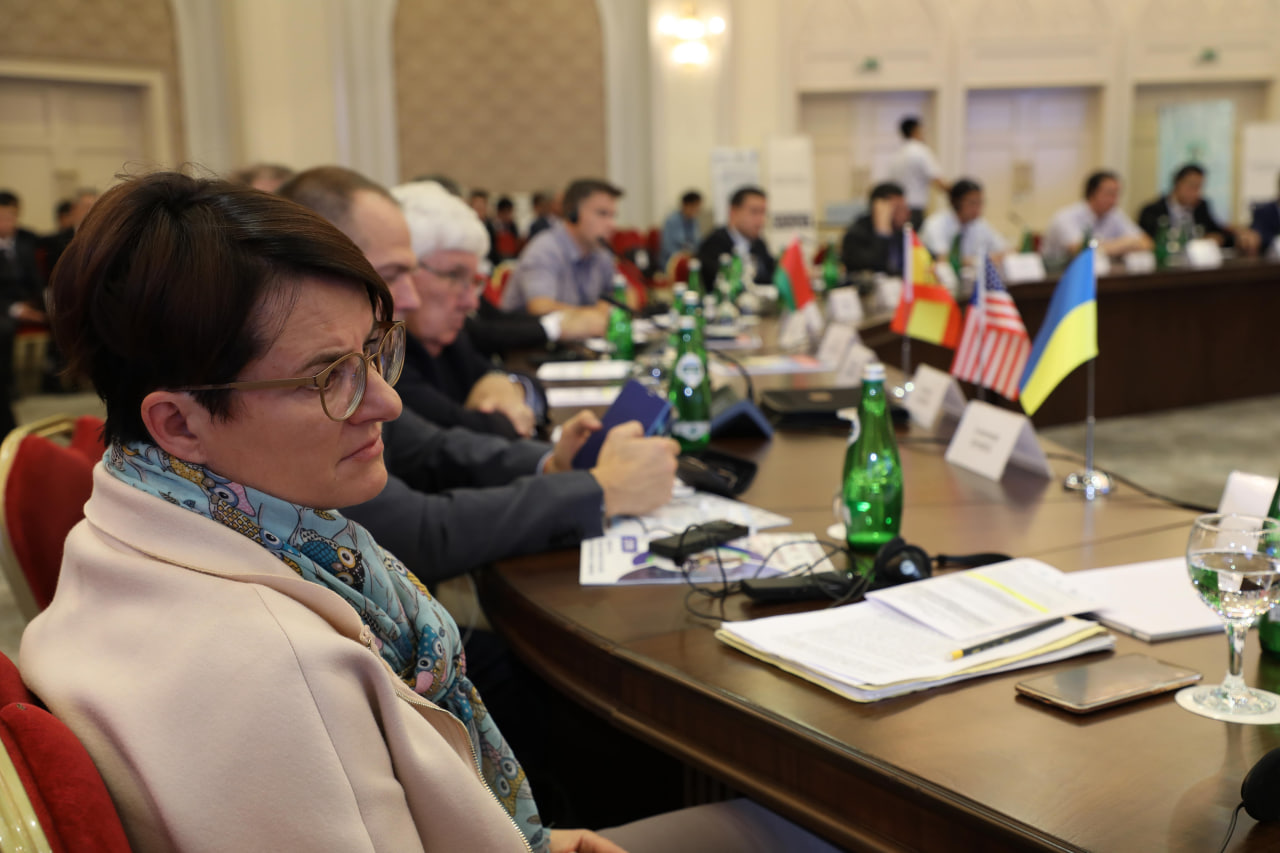
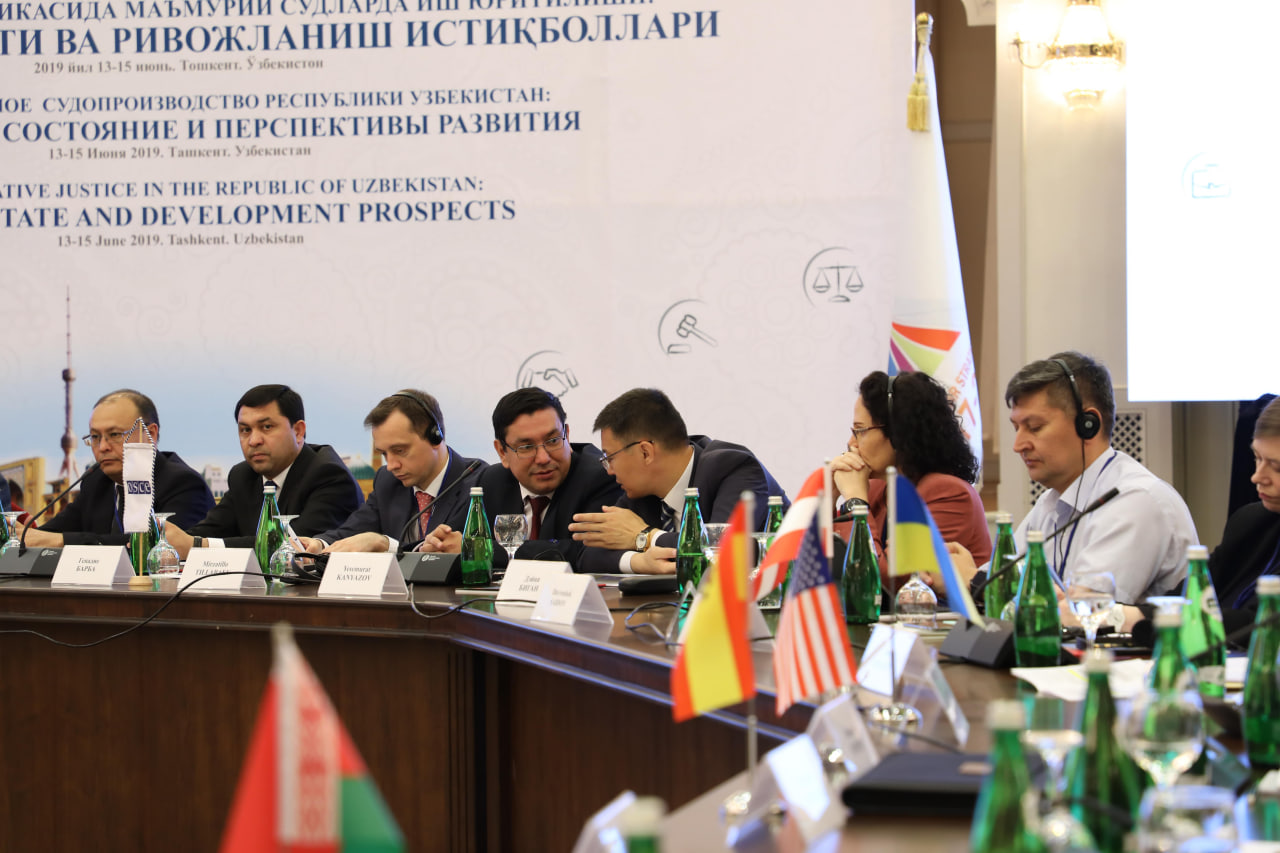
The event brought together judges of the Supreme Court and lower courts, members of the Senate and the Legislative Chamber of Oliy Majlis, representatives of the National Human Rights Center, Development Strategy Center, the Chamber of Lawyers, the academic community, and foreign experts from the Russian Federation, the Republic of Austria, Armenia, the Republic of Belarus, the Federal Republic of Germany, the Kingdom of Spain, the Republic of Kazakhstan, the Kyrgyz Republic, the French Republic, the Ukraine, the Republic of Tajikistan, the Republic of Turkmenistan and the USA.
Attended by 30 foreign and 150 domestic experts the forum was opened by Eldor Tulyakov, Director of the Development Strategy Center, member of the Legislative Chamber of the Oliy Majlis. He was followed by Chairman of the Supreme Court of the Republic of Uzbekistan Kozimjon Kamilov, who presented the results that have been achieved by the republic since the establishment of administrative courts.
The UNDP Resident Representative in Uzbekistan Matilda Dimovska, the OSCE Project Coordinator in Uzbekistan Hans-Ullrich Ihm and the Head of the USAID Office for Uzbekistan Gary Robbins also took floor at the opening ceremony. They emphasized that the exchange of experience on administrative courts, which is a new institution in the judicial and legal system, is important not just for Uzbekistan, but also for representatives of many countries participating in an international conference.
Uzbekistan has built its own model of system-based and phased implementation of international standards in the national legislation and law enforcement practice, and a national system of monitoring the observance of constitutional human rights and freedoms.
In this field, President Shavkat Mirziyoyev initiated the development of the National Action Strategy on Five Priority Development Areas 2017–2021, which has been consistently implemented for the third year. Specifically, the second area of the Strategy of Action, aimed at ‘Ensuring the rule of law and further reforming the judicial and legal system’, outlines the policies to ensure the genuine independence of the judiciary, improve the image of the courts, democratize the judicial system, ensure guarantees of reliable protection of citizens’ rights and freedoms, improve administrative, criminal, civil and economic legislation, combat crime and prevent offenses, as well as streamline the system of legal assistance and services.
It is noteworthy that the world community recognizes the efforts of Uzbekistan to further strengthen the legality of the judicial and legal system aimed at specific goals.
As a result of fundamental reforms in the judicial and legal system based on completely new viable changes in the country, the legal framework was reformed to ensure guarantees of reliable protection of citizens' rights and freedoms, improve administrative, criminal, civil and economic legislation, provide legal assistance and services, and further strengthen legality of the judicial and legal system.
In accordance with the Decrees of the President of the Republic of Uzbekistan ‘On measures for further reform the judicial and legal system, strengthen the guarantees of reliable protection of the rights and freedoms of citizens’ of October 21, 2016 and ‘On measures to fundamentally improve the structure and enhance the efficiency of the judicial system of the Republic Uzbekistan’ dated February 21, 2017, on June 1, 2017, the Supreme Court and the Supreme Economic Court merged into a single highest judicial authority for civil, criminal, administrative and economic legal proceedings - the Supreme Court of the Republic of Uzbekistan.
In accordance with the Laws of the Republic of Uzbekistan ‘On Courts’ and ‘On amendments and additions to the Civil Procedure and Economic Procedure Code’, the authority to deal with administrative disputes and cases of administrative offenses arising from public relations was delegated to the newly established administrative courts in the Republic of Karakalpakstan, in regions, Tashkent city, districts (towns).
At plenary sessions within the framework of the international conference, the participants presented and discussed the achievements of Uzbekistan in the development of administrative justice, outlined main thrusts to further improve administrative and procedural legislation taking into account foreign experience. They exchanged views with foreign experts on the arrangement of the administrative justice system, and discussed the ways to further streamline the administrative court system with an eye to development priorities of the Republic of Uzbekistan, initiatives and experience in administrative, judicial and legal reforms.
Sectional sessions covered such issues as ‘Judicial and Legal Reform and Administrative Reform: Objectives, Correlation, Problems, Prospects and Expected Results’, ‘The System of Administrative Courts’, ‘Resolving the Cases Arising from Public Disputes by Administrative Courts’ and ‘Considering the Cases of Administrative Offenses by Administrative Courts’.
Tomorrow the conference will continue its work.
As part of the conference agenda, the Development Strategy Center will host an international round-table discussion on ‘Ensuring the Openness and Transparency of the Judicial System at the Current Stage of Judicial Reform’.
Information Service, Development Strategy Center
 English
 Русский
 О'zbek




The ongoing International Conference on ‘Administrative Procedures in the Republic of Uzbekistan: Current State and Development Prospects’ in Tashkent is expected to improve the judicial and legal area with an eye to modern requirements, and exchange experience. Initiated by the Supreme Court of the Republic of Uzbekistan in partnership with the Development Strategy Center, the National Human Rights Center of the Republic of Uzbekistan, United Nations Development Program in Uzbekistan, the OSCE Office for Democratic Institutions and Human Rights, the OSCE Project Coordinator in Uzbekistan, the United States Agency for International Development (USAID) and the German Foundation for International Legal Cooperation (IRZ), the conference will wrap up on June 15.
The conference is part of the roadmap on the implementation of the outcomes of the last year’s Asian Forum on Human Rights in Samarkand dedicated to the 70th anniversary of adoption of the Universal Declaration of Human Rights.
The event brought together judges of the Supreme Court and lower courts, members of the Senate and the Legislative Chamber of Oliy Majlis, representatives of the National Human Rights Center, Development Strategy Center, the Chamber of Lawyers, the academic community, and foreign experts from the Russian Federation, the Republic of Austria, Armenia, the Republic of Belarus, the Federal Republic of Germany, the Kingdom of Spain, the Republic of Kazakhstan, the Kyrgyz Republic, the French Republic, the Ukraine, the Republic of Tajikistan, the Republic of Turkmenistan and the USA.
Attended by 30 foreign and 150 domestic experts the forum was opened by Eldor Tulyakov, Director of the Development Strategy Center, member of the Legislative Chamber of the Oliy Majlis. He was followed by Chairman of the Supreme Court of the Republic of Uzbekistan Kozimjon Kamilov, who presented the results that have been achieved by the republic since the establishment of administrative courts.
The UNDP Resident Representative in Uzbekistan Matilda Dimovska, the OSCE Project Coordinator in Uzbekistan Hans-Ullrich Ihm and the Head of the USAID Office for Uzbekistan Gary Robbins also took floor at the opening ceremony. They emphasized that the exchange of experience on administrative courts, which is a new institution in the judicial and legal system, is important not just for Uzbekistan, but also for representatives of many countries participating in an international conference.
Uzbekistan has built its own model of system-based and phased implementation of international standards in the national legislation and law enforcement practice, and a national system of monitoring the observance of constitutional human rights and freedoms.
In this field, President Shavkat Mirziyoyev initiated the development of the National Action Strategy on Five Priority Development Areas 2017–2021, which has been consistently implemented for the third year. Specifically, the second area of the Strategy of Action, aimed at ‘Ensuring the rule of law and further reforming the judicial and legal system’, outlines the policies to ensure the genuine independence of the judiciary, improve the image of the courts, democratize the judicial system, ensure guarantees of reliable protection of citizens’ rights and freedoms, improve administrative, criminal, civil and economic legislation, combat crime and prevent offenses, as well as streamline the system of legal assistance and services.
It is noteworthy that the world community recognizes the efforts of Uzbekistan to further strengthen the legality of the judicial and legal system aimed at specific goals.
As a result of fundamental reforms in the judicial and legal system based on completely new viable changes in the country, the legal framework was reformed to ensure guarantees of reliable protection of citizens' rights and freedoms, improve administrative, criminal, civil and economic legislation, provide legal assistance and services, and further strengthen legality of the judicial and legal system.
In accordance with the Decrees of the President of the Republic of Uzbekistan ‘On measures for further reform the judicial and legal system, strengthen the guarantees of reliable protection of the rights and freedoms of citizens’ of October 21, 2016 and ‘On measures to fundamentally improve the structure and enhance the efficiency of the judicial system of the Republic Uzbekistan’ dated February 21, 2017, on June 1, 2017, the Supreme Court and the Supreme Economic Court merged into a single highest judicial authority for civil, criminal, administrative and economic legal proceedings - the Supreme Court of the Republic of Uzbekistan.
In accordance with the Laws of the Republic of Uzbekistan ‘On Courts’ and ‘On amendments and additions to the Civil Procedure and Economic Procedure Code’, the authority to deal with administrative disputes and cases of administrative offenses arising from public relations was delegated to the newly established administrative courts in the Republic of Karakalpakstan, in regions, Tashkent city, districts (towns).
At plenary sessions within the framework of the international conference, the participants presented and discussed the achievements of Uzbekistan in the development of administrative justice, outlined main thrusts to further improve administrative and procedural legislation taking into account foreign experience. They exchanged views with foreign experts on the arrangement of the administrative justice system, and discussed the ways to further streamline the administrative court system with an eye to development priorities of the Republic of Uzbekistan, initiatives and experience in administrative, judicial and legal reforms.
Sectional sessions covered such issues as ‘Judicial and Legal Reform and Administrative Reform: Objectives, Correlation, Problems, Prospects and Expected Results’, ‘The System of Administrative Courts’, ‘Resolving the Cases Arising from Public Disputes by Administrative Courts’ and ‘Considering the Cases of Administrative Offenses by Administrative Courts’.
Tomorrow the conference will continue its work.
As part of the conference agenda, the Development Strategy Center will host an international round-table discussion on ‘Ensuring the Openness and Transparency of the Judicial System at the Current Stage of Judicial Reform’.
Information Service, Development Strategy Center