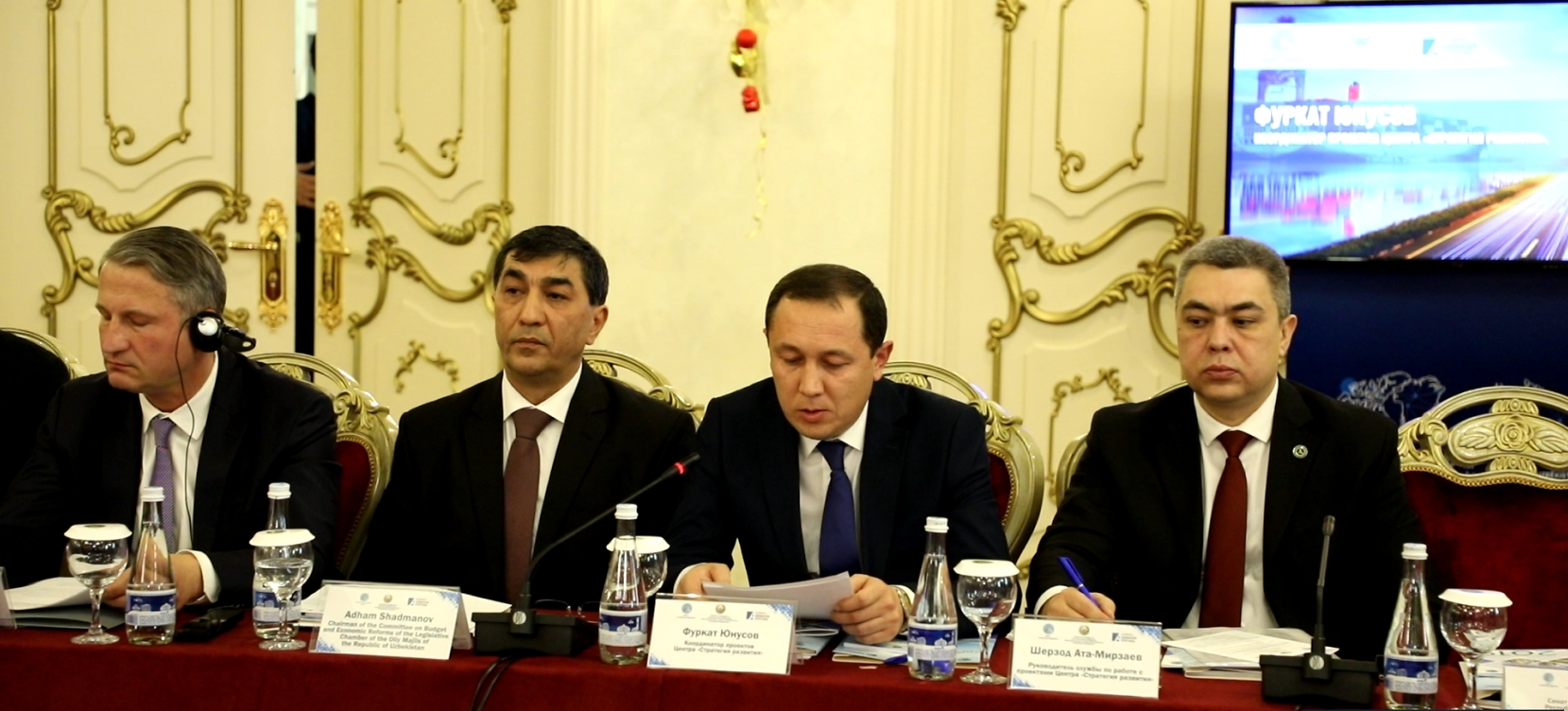
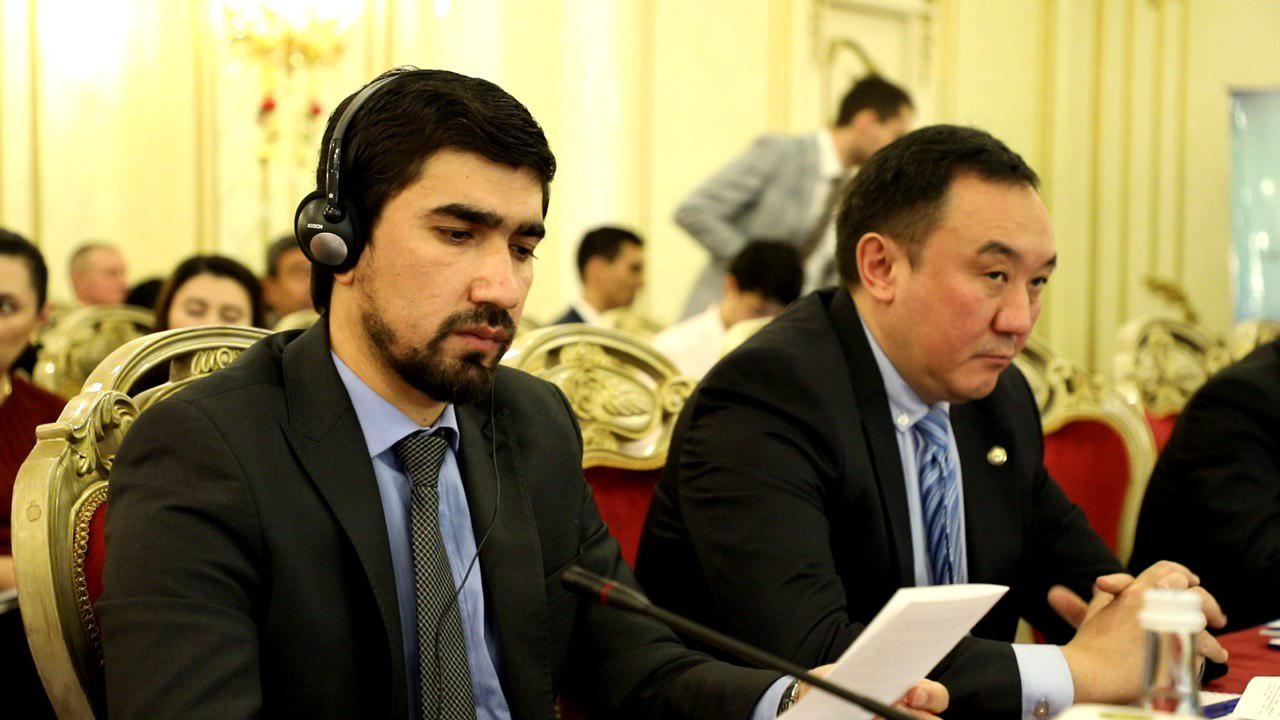
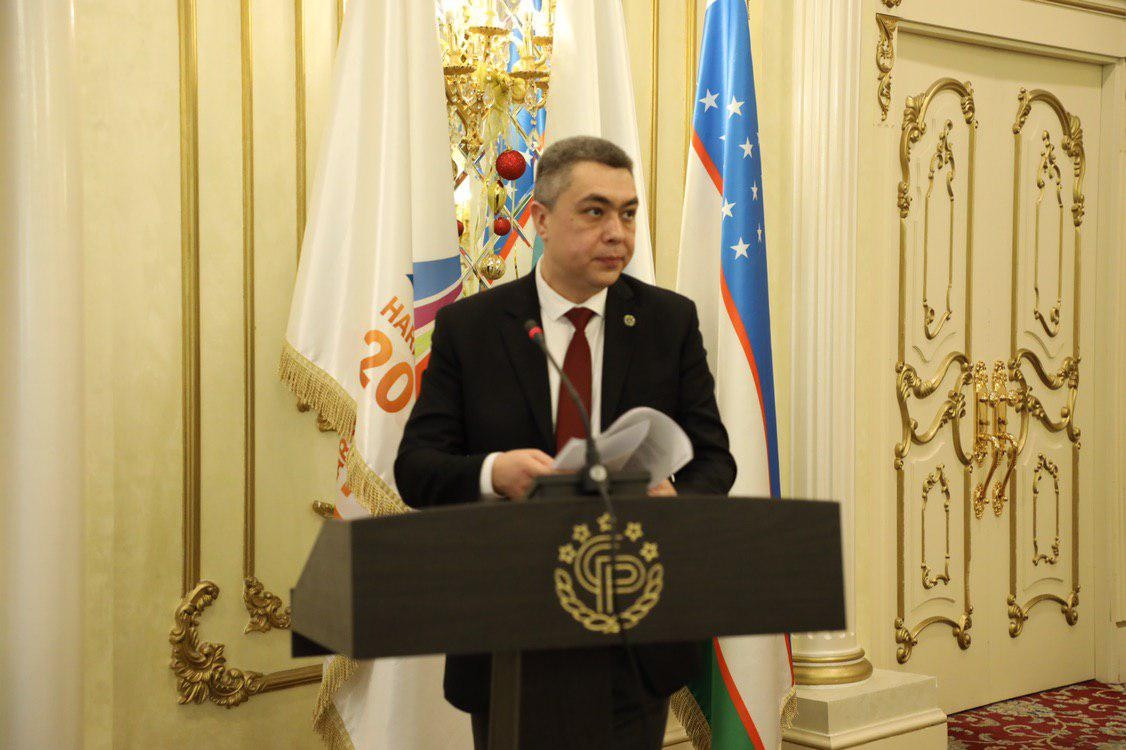
December 13, 2019, the Development Strategy Center, the Committee for Budget and Economic Reforms of the Legislative Chamber of the Oliy Majlis and the Representative Office of the Konrad Adenauer Foundation for Central Asia organized an international workshop on ‘Foreign Investments and Development of Transport Logistics as a Determinant in Developing the Economy’.
The event brought together representatives of ministries and departments, international experts on investment policy and transport communications, representatives of diplomatic corps and the media.
The workshop spotlighted the issues of attracting foreign direct investment to Uzbekistan, developing investment cooperation in free economic zones, and transport and logistics infrastructure in Central Asia.
As noted by the President of the Republic of Uzbekistan in his address at a ceremony on the 27th anniversary of adoption of the Constitution, the citizens’ right to property enshrined in the Constitution is inviolable and is always protected by the state. In recent years, Uzbekistan has done much to eliminate excessive restrictions hampering business, to severely limit illegal interference of state bodies in entrepreneurial activity.
Specifically, Uzbekistan fundamentally reformed the practice of allocation of land plots, which fostered corruption, and this procedure is now processed through the electronic system of allocation of land plots. Since January 1, 2020, the powers of local governors to withdraw lands intended for agriculture are transferred to local parliaments. This change has become one of the major steps towards ensuring the integrity of the property. At the same time, with respect to officials who do not comply with the laws on the inviolability of property, responsibility has been strengthened no matter what position they hold. In the future, in the cases of unlawful restriction of the property rights of business entities revealed by the Business Ombudsman, he will be entitled to appeal to the court in favor of the entrepreneur, announcing the decisions of local governors on allocating land in the relevant territories.
As noted at the beginning of the event, the measures taken are undoubtedly essential in terms of the further development of entrepreneurship and business movement in Uzbekistan, raising the appeal of the state for foreign investors, and the influx of investments.
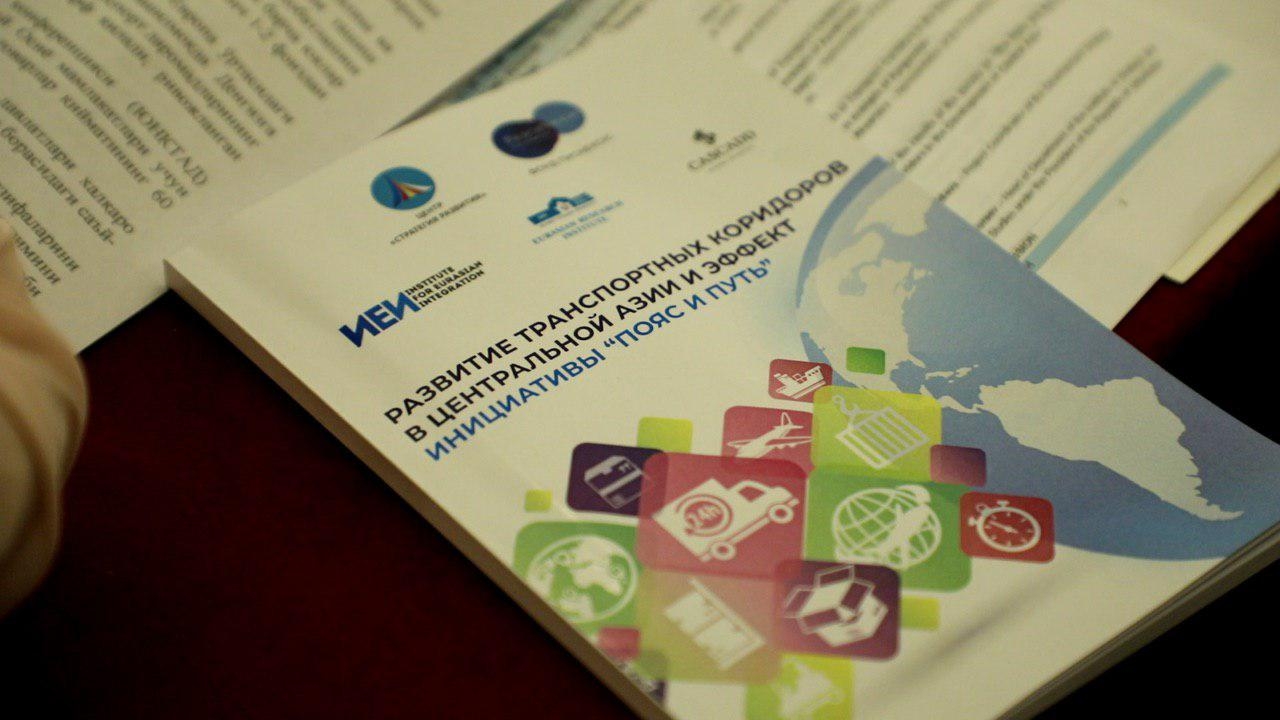
The workshop presented the results of a joint survey of Central Asian experts on ‘Development of Transport Corridors in Central Asia and the Effect of the One Belt, One Road Initiative’.
Ranking among the key priorities of the foreign policy of Uzbekistan, transport and logistics sector proves key and relevant in building constructive and mutually beneficial relations with the Central Asian states. The shortest routes connecting major international markets pass through the region. The transport and transit potential of the region is determined by its geostrategic position in the heart of the Great Silk Road, which historically served as a bridge between East and West, North and South.
President Shavkat Mirziyoyev, speaking at the consultative meeting of the heads of state of Central Asia in Nur-Sultan in 2018, pointed out to the priority of implementation of transport and communication projects that will connect Central Asia with the largest seaports and world markets.
Creation of conditions for transportation of goods through the territory of Central Asian countries is one of relevant issues for today.
First of all, this refers to the modernization of transport infrastructure and the creation of logistics services in such a way that the speed of land transportation of goods and lower costs will compete with sea transport. This is especially relevant in view of the fact that, by 2020, it is expected that transportation of all goods between Asia and Europe will increase from the current 1-2% to 10% by road and rail.
However, the countries of the region do not have direct access to seaports. Experts say that today more than 90% of freight traffic in intercontinental trade between Asia and Europe is carried out by sea. Landlocked developing countries spend about 18% of their export earnings for transport services, while generally the developing countries spend 9%.
According to UNCTAD, transportation costs of Central Asian countries in many cases reach 60% of the value of imported goods.
The countries of the region are making active efforts to create a highly developed and functional transport infrastructure on their territory in line with modern requirements.
Also, they strive to build a full-fledged transport system of their own that would foster the implementation of the political, economic and other objectives. Moreover, an extensive transport network, integrated with similar communications in other countries, allows for the transportation of its own international and transit goods, which is an additional item to replenish the budget.
Following the seminar, the participants agreed on the further strengthening of cooperation in developing transport corridors in Central Asia.
Information Service, Development Strategy Center
 English
 Русский
 О'zbek



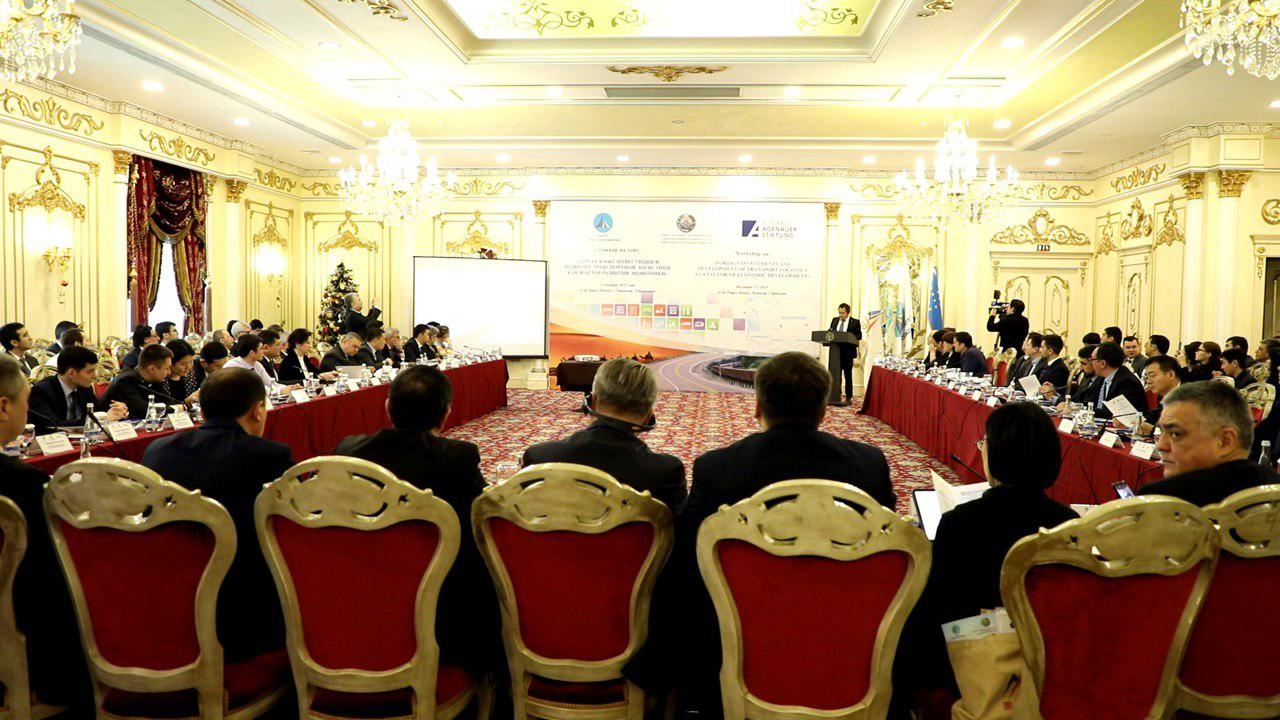

December 13, 2019, the Development Strategy Center, the Committee for Budget and Economic Reforms of the Legislative Chamber of the Oliy Majlis and the Representative Office of the Konrad Adenauer Foundation for Central Asia organized an international workshop on ‘Foreign Investments and Development of Transport Logistics as a Determinant in Developing the Economy’.
The event brought together representatives of ministries and departments, international experts on investment policy and transport communications, representatives of diplomatic corps and the media.
The workshop spotlighted the issues of attracting foreign direct investment to Uzbekistan, developing investment cooperation in free economic zones, and transport and logistics infrastructure in Central Asia.
As noted by the President of the Republic of Uzbekistan in his address at a ceremony on the 27th anniversary of adoption of the Constitution, the citizens’ right to property enshrined in the Constitution is inviolable and is always protected by the state. In recent years, Uzbekistan has done much to eliminate excessive restrictions hampering business, to severely limit illegal interference of state bodies in entrepreneurial activity.
Specifically, Uzbekistan fundamentally reformed the practice of allocation of land plots, which fostered corruption, and this procedure is now processed through the electronic system of allocation of land plots. Since January 1, 2020, the powers of local governors to withdraw lands intended for agriculture are transferred to local parliaments. This change has become one of the major steps towards ensuring the integrity of the property. At the same time, with respect to officials who do not comply with the laws on the inviolability of property, responsibility has been strengthened no matter what position they hold. In the future, in the cases of unlawful restriction of the property rights of business entities revealed by the Business Ombudsman, he will be entitled to appeal to the court in favor of the entrepreneur, announcing the decisions of local governors on allocating land in the relevant territories.
As noted at the beginning of the event, the measures taken are undoubtedly essential in terms of the further development of entrepreneurship and business movement in Uzbekistan, raising the appeal of the state for foreign investors, and the influx of investments.
The workshop presented the results of a joint survey of Central Asian experts on ‘Development of Transport Corridors in Central Asia and the Effect of the One Belt, One Road Initiative’.
Ranking among the key priorities of the foreign policy of Uzbekistan, transport and logistics sector proves key and relevant in building constructive and mutually beneficial relations with the Central Asian states. The shortest routes connecting major international markets pass through the region. The transport and transit potential of the region is determined by its geostrategic position in the heart of the Great Silk Road, which historically served as a bridge between East and West, North and South.
President Shavkat Mirziyoyev, speaking at the consultative meeting of the heads of state of Central Asia in Nur-Sultan in 2018, pointed out to the priority of implementation of transport and communication projects that will connect Central Asia with the largest seaports and world markets.
Creation of conditions for transportation of goods through the territory of Central Asian countries is one of relevant issues for today.
First of all, this refers to the modernization of transport infrastructure and the creation of logistics services in such a way that the speed of land transportation of goods and lower costs will compete with sea transport. This is especially relevant in view of the fact that, by 2020, it is expected that transportation of all goods between Asia and Europe will increase from the current 1-2% to 10% by road and rail.
However, the countries of the region do not have direct access to seaports. Experts say that today more than 90% of freight traffic in intercontinental trade between Asia and Europe is carried out by sea. Landlocked developing countries spend about 18% of their export earnings for transport services, while generally the developing countries spend 9%.
According to UNCTAD, transportation costs of Central Asian countries in many cases reach 60% of the value of imported goods.
The countries of the region are making active efforts to create a highly developed and functional transport infrastructure on their territory in line with modern requirements.
Also, they strive to build a full-fledged transport system of their own that would foster the implementation of the political, economic and other objectives. Moreover, an extensive transport network, integrated with similar communications in other countries, allows for the transportation of its own international and transit goods, which is an additional item to replenish the budget.
Following the seminar, the participants agreed on the further strengthening of cooperation in developing transport corridors in Central Asia.
Information Service, Development Strategy Center