On October 12, 2022, at the initiative of the Development Strategy Center, a roundtable discussion was held on the topic "The role of the nongovernmental sector in the development of education in Uzbekistan and existing problems in increasing its activity."
The main goal of the event is to discuss in detail the problems that are hindering the development of the industry today and the proposals made for their solution.
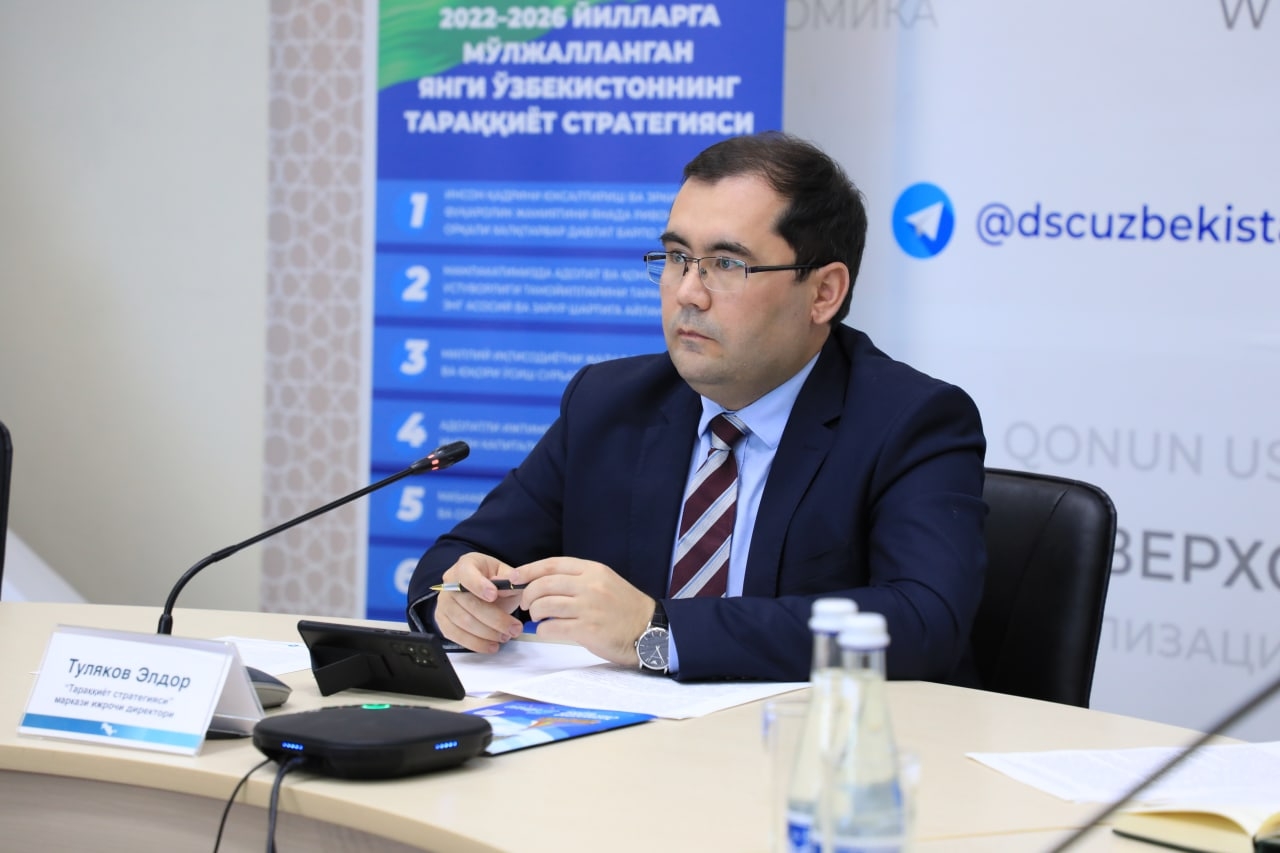
Eldor Tulyakov, executive director of the Development Strategy Center, opened the roundtable discussion with his speech. Referring to the role and importance of nongovernmental educational institutions in the development of the education system in the country, he said:
– The education system of most developed countries is directly related to the development of nongovernmental education system. The reason for this is the active penetration of advanced educational technologies and resources into the field, especially through nongovernmental educational institutions, following the intensification of competition.
According to the data, there are 2 243 private kindergartens, 334 private schools, and 53 private higher education organizations across the country. In turn, due to the increase in the number of non-governmental educational organizations, a strong competitive environment is being formed among them.
It should be noted that healthy competition is an invisible force that shapes the quality, culture of education and creates an environment for self-development in the field of education. In addition, the private sector, through meeting the educational needs of the population, takes on the part of the state burden on providing educational services.
Also, during the event, specialists and experts in the field discussed such topics as the "Requirements for organizing nongovernmental educational activities and their compatibility with foreign experience", the "Role of the private sector in increasing the coverage of children with preschool education and problems in increasing the activity of nongovernmental educational institutions" as well as the "Activities of nongovernmental higher educational institutions and problems in coordination and improvement of this process".
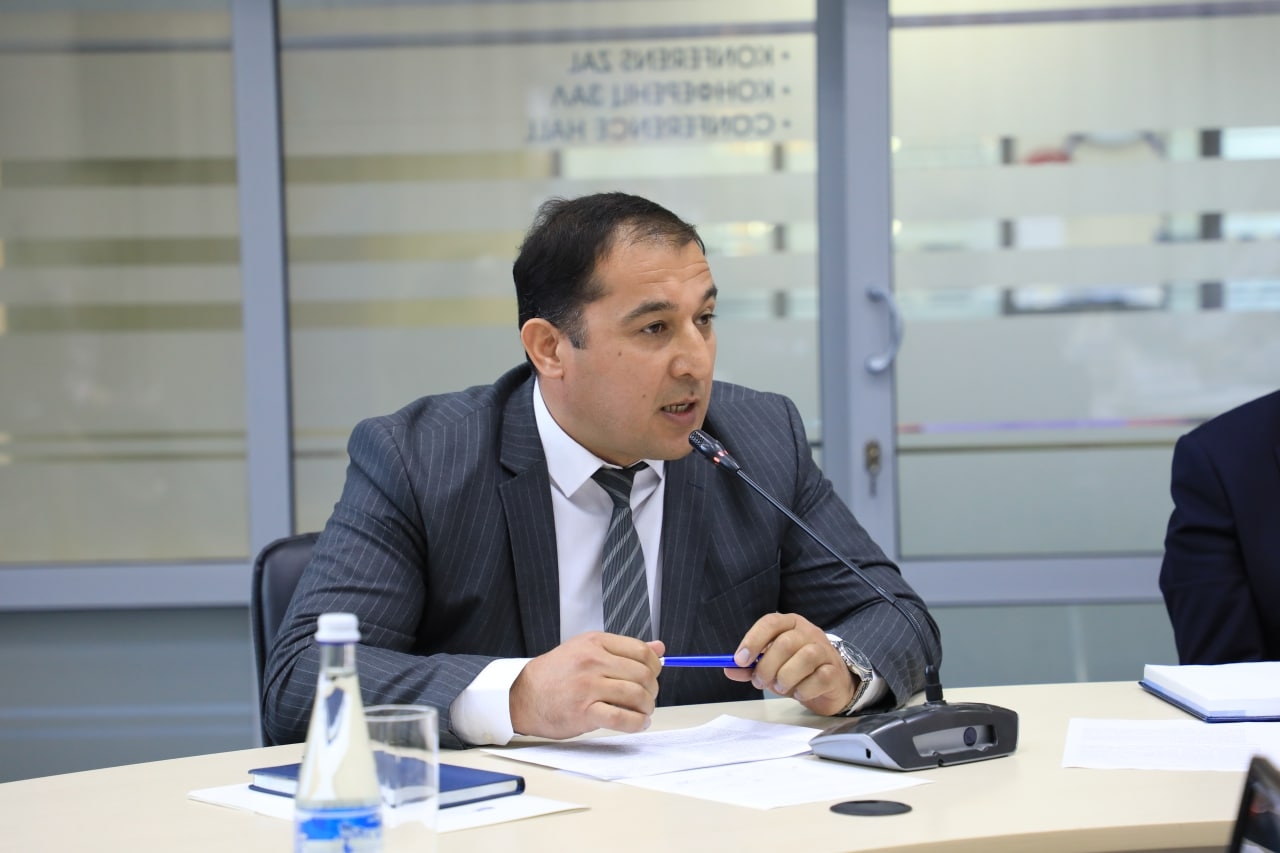
Dilshod TEMIROV, Head of the Main Department for quality control of teaching staff, legalization, recognition and certification of educational documents of the State Inspectorate for Quality Control of Education under the Cabinet of Ministers a.i.:
– As a result of the reforms implemented in the educational system in the last five years, there have been a number of changes in the requirements for the organization of non-state educational activities. For example, until 2017, entrepreneurs who wanted to operate in the field of non-governmental education had to submit 9-10 documents, but now the number of these documents has been reduced to 5.
Also, to this date, there has been launched a new system, and if an entrepreneur applies for a license, if no defects are found in his documents, the system will automatically issue a license to the entrepreneur within 15 working days without any human intervention.
Currently, non-state higher education institutions are not established in three regions of the republic - Republic of Karakalpakstan, Syrdarya and Surkhandarya regions. Within the framework of the measures developed for next year, it is planned to establish non-state higher education institutions in these regions.
Abdurahmon ABDUSALOMOV, Deputy Head of the Department for organization of Preschool Education Institutions Based on Public-Private Partnership of the Ministry of Preschool Education:
– Currently, the number of kindergartens has increased, and the share of the non-state sector has increased from 0.01% in 2017 to 33.7%, there have been developed and implemented into practice 10 different forms of public-private partnership in the field of preschool education.
In 2022, there is planned to implement a total of 1,300 large-scale projects, including 100 institutions with a capacity of 10,000 places, based on public-private partnerships, and 1,200 nongovernmental family preschool educational institutions with a capacity of 35,000 places.
As of October 1, 2022, 1,031 large projects have been implemented, in particular, there are established 119 public-private partnership institutions, with a capacity of 10,700 places and 912 family nongovernmental preschool educational institutions with a capacity of 44,987 places.
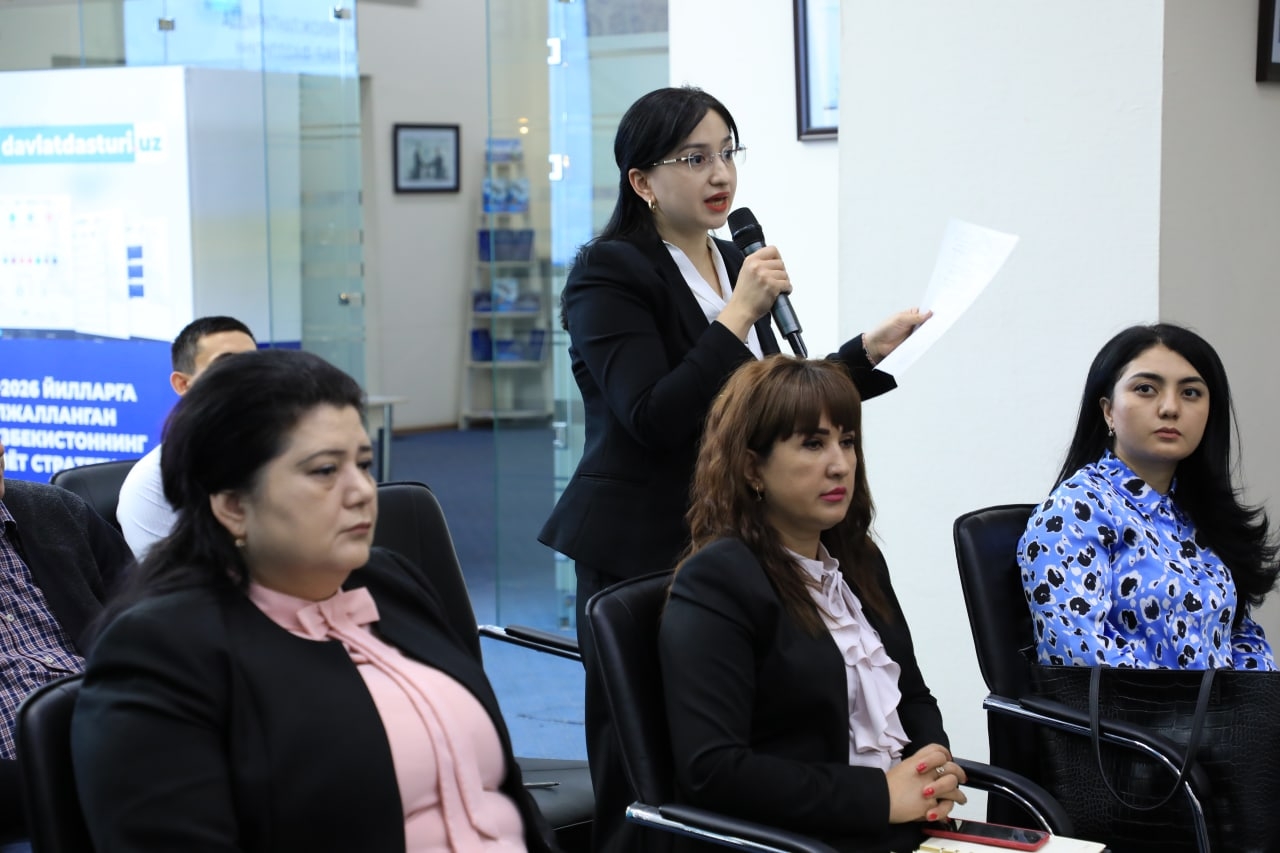
At the same time, at the event, representatives of nongovernmental educational institutions and entrepreneurs who want to operate in this direction received answers from the officials regarding the issues that they are interested in and thinking about. Also at the event, there have been discussed in detail the suggestions made by experts.
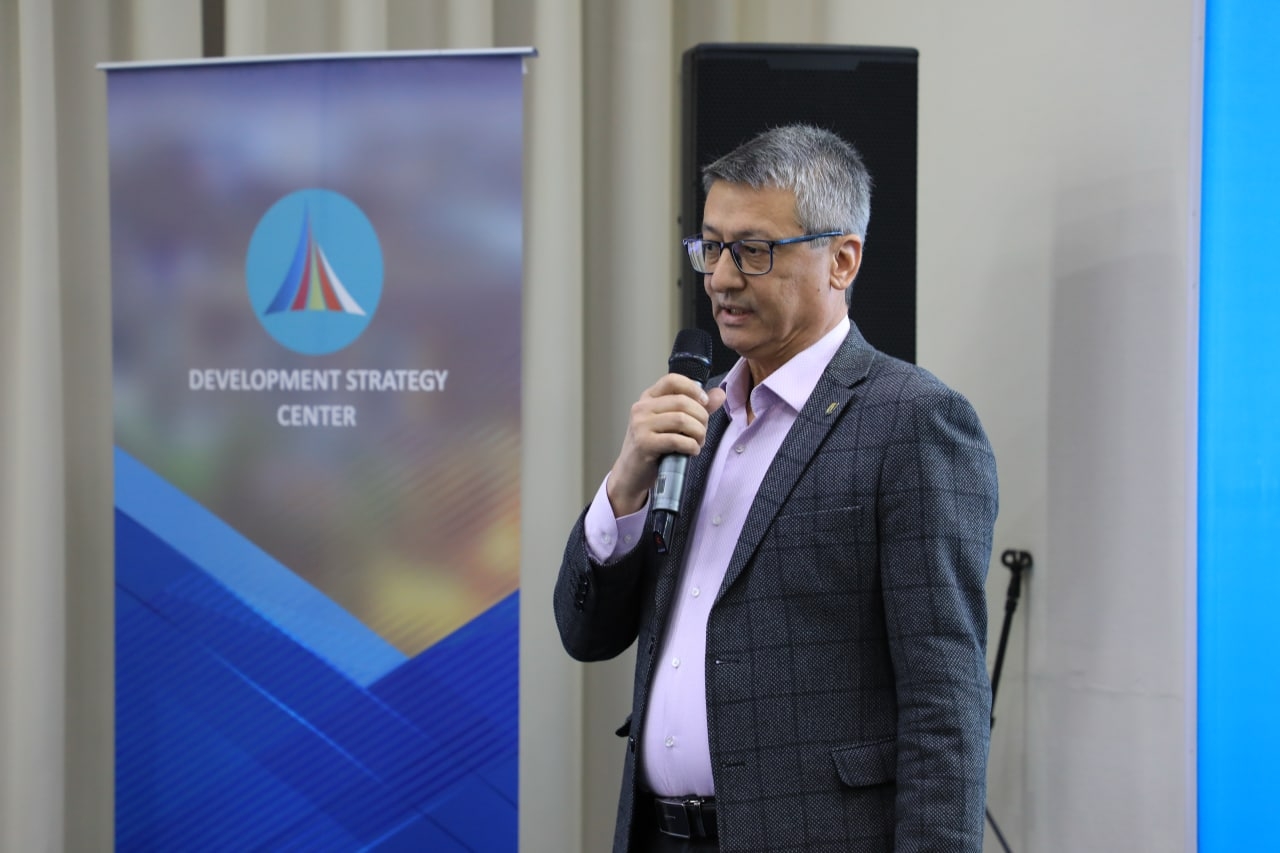
In particular, Ikrom Rikhsiboev, the Dean of the International Westminster University in Tashkent, expressed his proposals aimed at the development of the nongovernmental educational network within the framework of international experience and requirements.
– There are a number of issues that need to be resolved in development of the network of non-state higher education institutions, - said I. Rikhsiboev. - In particular, in Malaysia, which has almost the same population as Uzbekistan, there are about 500 private higher education institutions that specialize in awarding bachelor's degrees.
Currently, their number has been increasing in our country too. However, most of them are at the training centre level. Because the technical base, the number of professors and teachers are not sufficient to meet the status of the university. Therefore, it is considered necessary to develop the rates and norms of the university status.
Also, most of the newly opened nongovernmental higher education institutions are specializing in such areas as economics, management, and marketing. The reason is that the costs of opening such an educational institution are very small. The most interesting thing is that even this may not pay off. Today, we need to develop requirements based on the perspective of current times. For example, it is desirable to open nongovernmental higher education institutions in the fields of nanotechnology, agriculture and ICT.
At the same time, a number of proposals were made at the event, such as implementation of international experience in development of the nongovernmental educational system in harmony with the national mentality and educational system, as well as the involvement of specialists from abroad who are originally from Uzbekistan.
At the end of the event, it was supported, that the suggestions and recommendations made will be studied and submitted to the ministries and agencies that manage the state policy in the field.
"Development Strategy" Center
Information service
 English
 Русский
 О'zbek



On October 12, 2022, at the initiative of the Development Strategy Center, a roundtable discussion was held on the topic "The role of the nongovernmental sector in the development of education in Uzbekistan and existing problems in increasing its activity."
The main goal of the event is to discuss in detail the problems that are hindering the development of the industry today and the proposals made for their solution.
Eldor Tulyakov, executive director of the Development Strategy Center, opened the roundtable discussion with his speech. Referring to the role and importance of nongovernmental educational institutions in the development of the education system in the country, he said:
– The education system of most developed countries is directly related to the development of nongovernmental education system. The reason for this is the active penetration of advanced educational technologies and resources into the field, especially through nongovernmental educational institutions, following the intensification of competition.
According to the data, there are 2 243 private kindergartens, 334 private schools, and 53 private higher education organizations across the country. In turn, due to the increase in the number of non-governmental educational organizations, a strong competitive environment is being formed among them.
It should be noted that healthy competition is an invisible force that shapes the quality, culture of education and creates an environment for self-development in the field of education. In addition, the private sector, through meeting the educational needs of the population, takes on the part of the state burden on providing educational services.
Also, during the event, specialists and experts in the field discussed such topics as the "Requirements for organizing nongovernmental educational activities and their compatibility with foreign experience", the "Role of the private sector in increasing the coverage of children with preschool education and problems in increasing the activity of nongovernmental educational institutions" as well as the "Activities of nongovernmental higher educational institutions and problems in coordination and improvement of this process".
Dilshod TEMIROV, Head of the Main Department for quality control of teaching staff, legalization, recognition and certification of educational documents of the State Inspectorate for Quality Control of Education under the Cabinet of Ministers a.i.:
– As a result of the reforms implemented in the educational system in the last five years, there have been a number of changes in the requirements for the organization of non-state educational activities. For example, until 2017, entrepreneurs who wanted to operate in the field of non-governmental education had to submit 9-10 documents, but now the number of these documents has been reduced to 5.
Also, to this date, there has been launched a new system, and if an entrepreneur applies for a license, if no defects are found in his documents, the system will automatically issue a license to the entrepreneur within 15 working days without any human intervention.
Currently, non-state higher education institutions are not established in three regions of the republic - Republic of Karakalpakstan, Syrdarya and Surkhandarya regions. Within the framework of the measures developed for next year, it is planned to establish non-state higher education institutions in these regions.
Abdurahmon ABDUSALOMOV, Deputy Head of the Department for organization of Preschool Education Institutions Based on Public-Private Partnership of the Ministry of Preschool Education:
– Currently, the number of kindergartens has increased, and the share of the non-state sector has increased from 0.01% in 2017 to 33.7%, there have been developed and implemented into practice 10 different forms of public-private partnership in the field of preschool education.
In 2022, there is planned to implement a total of 1,300 large-scale projects, including 100 institutions with a capacity of 10,000 places, based on public-private partnerships, and 1,200 nongovernmental family preschool educational institutions with a capacity of 35,000 places.
As of October 1, 2022, 1,031 large projects have been implemented, in particular, there are established 119 public-private partnership institutions, with a capacity of 10,700 places and 912 family nongovernmental preschool educational institutions with a capacity of 44,987 places.
At the same time, at the event, representatives of nongovernmental educational institutions and entrepreneurs who want to operate in this direction received answers from the officials regarding the issues that they are interested in and thinking about. Also at the event, there have been discussed in detail the suggestions made by experts.
In particular, Ikrom Rikhsiboev, the Dean of the International Westminster University in Tashkent, expressed his proposals aimed at the development of the nongovernmental educational network within the framework of international experience and requirements.
– There are a number of issues that need to be resolved in development of the network of non-state higher education institutions, - said I. Rikhsiboev. - In particular, in Malaysia, which has almost the same population as Uzbekistan, there are about 500 private higher education institutions that specialize in awarding bachelor's degrees.
Currently, their number has been increasing in our country too. However, most of them are at the training centre level. Because the technical base, the number of professors and teachers are not sufficient to meet the status of the university. Therefore, it is considered necessary to develop the rates and norms of the university status.
Also, most of the newly opened nongovernmental higher education institutions are specializing in such areas as economics, management, and marketing. The reason is that the costs of opening such an educational institution are very small. The most interesting thing is that even this may not pay off. Today, we need to develop requirements based on the perspective of current times. For example, it is desirable to open nongovernmental higher education institutions in the fields of nanotechnology, agriculture and ICT.
At the same time, a number of proposals were made at the event, such as implementation of international experience in development of the nongovernmental educational system in harmony with the national mentality and educational system, as well as the involvement of specialists from abroad who are originally from Uzbekistan.
At the end of the event, it was supported, that the suggestions and recommendations made will be studied and submitted to the ministries and agencies that manage the state policy in the field.
"Development Strategy" Center
Information service