From March 13 to March 17, 2023, a delegation of Uzbekistan, consisting of representatives of the Institute for Strategic and Interregional Studies under the President of the Republic of Uzbekistan, the Institute for Forecasting and Macroeconomic Research and experts from the Development Strategy Center visited the Federal Republic of Germany.
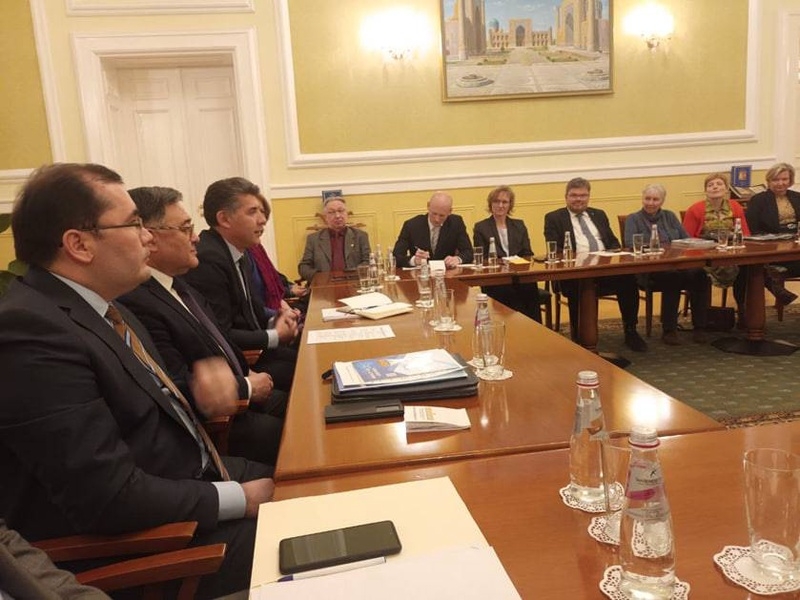
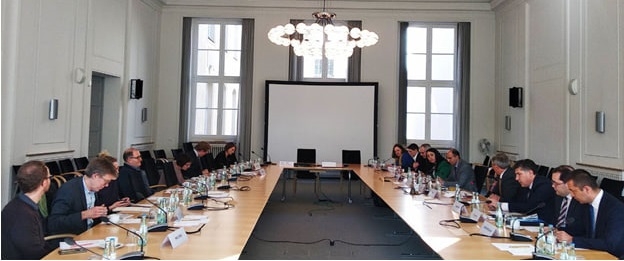
During the visit, there have been held the meetings with the representative of the German Foreign Ministry for Eastern Europe, the Caucasus and Central Asia Matthias Lüttenberg, with the leadership and experts of the Institute for European Policy and Reforms, the German Foreign Policy Council, and as well as a round table with the participation of deputies of parliamentary factions of the German Bundestag.
It is worth noting that during the negotiations with the German side a detailed discussed took place on the current state and prospects of regional cooperation in Central Asia, relations between the EU and the countries of the region, as well as the role of Brussels and Berlin in ensuring the sustainable development of the region.
It was also recognized that in recent years Uzbekistan has undergone a radical positive transformation, which is becoming systemic and irreversible. In particular, as a result of a consistent policy of openness, good neighbourliness and maintaining a constructive dialogue, Central Asia, even in conditions of high turbulence in the world, remains a space of friendship, trust and mutually beneficial cooperation.
As a result, the region is gradually transforming into a zone of sustainable economic growth. According to the EBRD forecast, in 2023 and 2024 the GDP of the Central Asian countries will grow by an average of 4.9% and 5.4%, respectively. Along with the increase in the size of the economies, the foreign trade of the countries of Central Asia is also growing. This figure has doubled over the past 6 years alone, amounting to $200 billion in 2022.
At the same time, Central Asia is becoming an interconnected market, attracting more and more investors. Over the past 5 years, mutual trade between the Central Asian states has doubled. The inflow of foreign direct investment into the region increased by 45%, reaching $40 billion in 2022. These trends, according to experts, testify to the growth of the region’s sustainability, its stability, since as trade and economic interdependence increases, also grows the willingness of states to negotiate and resolve all issues through negotiations in order to maintain sustainable development.
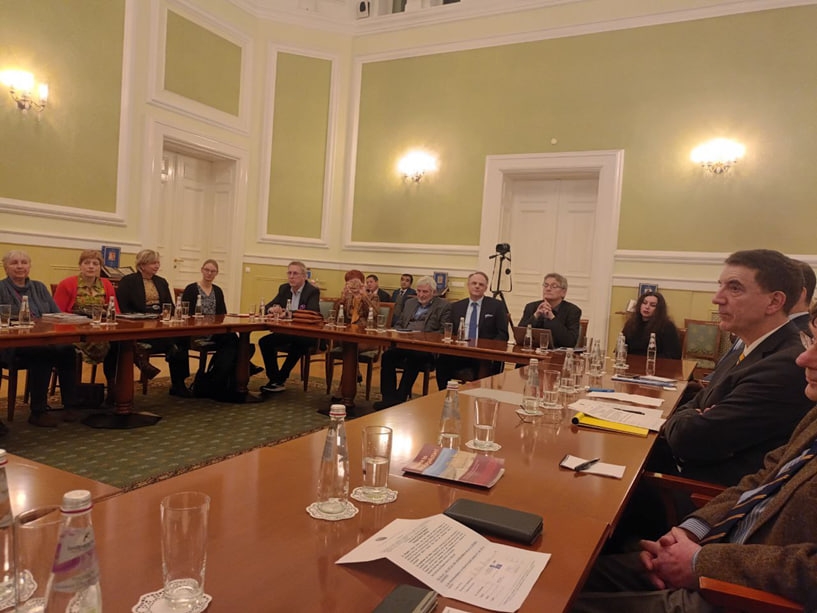
During the "round table" with the deputies of the parliamentary factions of the German Bundestag, organized by the Embassy of our country in Germany, the German side specially mentioned the achievements in the political, economic and social spheres in Uzbekistan in recent years.
The deputies separately focused on the constitutional reform in Uzbekistan, especially in the areas of ecology, education, administration and youth support. As the “most important task” of strengthening interaction, it was proposed to intensify personal meetings at all levels, primarily aimed at provision of all kinds of assistance in the practical implementation of the transformations.
Regarding the promising areas of cooperation with the EU, it was emphasized that Uzbekistan is primarily interested in cooperation in such areas as digitalization, transport connectivity and the green economy. Tashkent is also committed to an open, systematic and productive dialogue in the format of the "European Union - Central Asia" in the interests of stability, sustainable development and prosperity of the countries of the region.
Information Service
Center "Development Strategy"
 English
 Русский
 О'zbek


From March 13 to March 17, 2023, a delegation of Uzbekistan, consisting of representatives of the Institute for Strategic and Interregional Studies under the President of the Republic of Uzbekistan, the Institute for Forecasting and Macroeconomic Research and experts from the Development Strategy Center visited the Federal Republic of Germany.
During the visit, there have been held the meetings with the representative of the German Foreign Ministry for Eastern Europe, the Caucasus and Central Asia Matthias Lüttenberg, with the leadership and experts of the Institute for European Policy and Reforms, the German Foreign Policy Council, and as well as a round table with the participation of deputies of parliamentary factions of the German Bundestag.
It is worth noting that during the negotiations with the German side a detailed discussed took place on the current state and prospects of regional cooperation in Central Asia, relations between the EU and the countries of the region, as well as the role of Brussels and Berlin in ensuring the sustainable development of the region.
It was also recognized that in recent years Uzbekistan has undergone a radical positive transformation, which is becoming systemic and irreversible. In particular, as a result of a consistent policy of openness, good neighbourliness and maintaining a constructive dialogue, Central Asia, even in conditions of high turbulence in the world, remains a space of friendship, trust and mutually beneficial cooperation.
As a result, the region is gradually transforming into a zone of sustainable economic growth. According to the EBRD forecast, in 2023 and 2024 the GDP of the Central Asian countries will grow by an average of 4.9% and 5.4%, respectively. Along with the increase in the size of the economies, the foreign trade of the countries of Central Asia is also growing. This figure has doubled over the past 6 years alone, amounting to $200 billion in 2022.
At the same time, Central Asia is becoming an interconnected market, attracting more and more investors. Over the past 5 years, mutual trade between the Central Asian states has doubled. The inflow of foreign direct investment into the region increased by 45%, reaching $40 billion in 2022. These trends, according to experts, testify to the growth of the region’s sustainability, its stability, since as trade and economic interdependence increases, also grows the willingness of states to negotiate and resolve all issues through negotiations in order to maintain sustainable development.
During the "round table" with the deputies of the parliamentary factions of the German Bundestag, organized by the Embassy of our country in Germany, the German side specially mentioned the achievements in the political, economic and social spheres in Uzbekistan in recent years.
The deputies separately focused on the constitutional reform in Uzbekistan, especially in the areas of ecology, education, administration and youth support. As the “most important task” of strengthening interaction, it was proposed to intensify personal meetings at all levels, primarily aimed at provision of all kinds of assistance in the practical implementation of the transformations.
Regarding the promising areas of cooperation with the EU, it was emphasized that Uzbekistan is primarily interested in cooperation in such areas as digitalization, transport connectivity and the green economy. Tashkent is also committed to an open, systematic and productive dialogue in the format of the "European Union - Central Asia" in the interests of stability, sustainable development and prosperity of the countries of the region.
Information Service
Center "Development Strategy"