An international scientific-practical conference on "The role of the mahalla institute in strengthening families and social support of the population as an important link in civil society" was held on March 24 in Tashkent.
The event has been attended by representatives of the Senate, the Ministry of Mahalla and Family Support, the Ministry of Employment and Labor Relations, the “Development Strategy” Center, the “Yuksalish” national movement as well as the UNDP Resident Representative in Uzbekistan, the OSCE Project Coordinator in Uzbekistan. There have been discussed such issues as the mechanisms of introduction of the system of work "by-mahallas" in the implementation of such tasks as targeted support of young families, development of private entrepreneurship and family business, the establishment of public control over the activities of public administration.
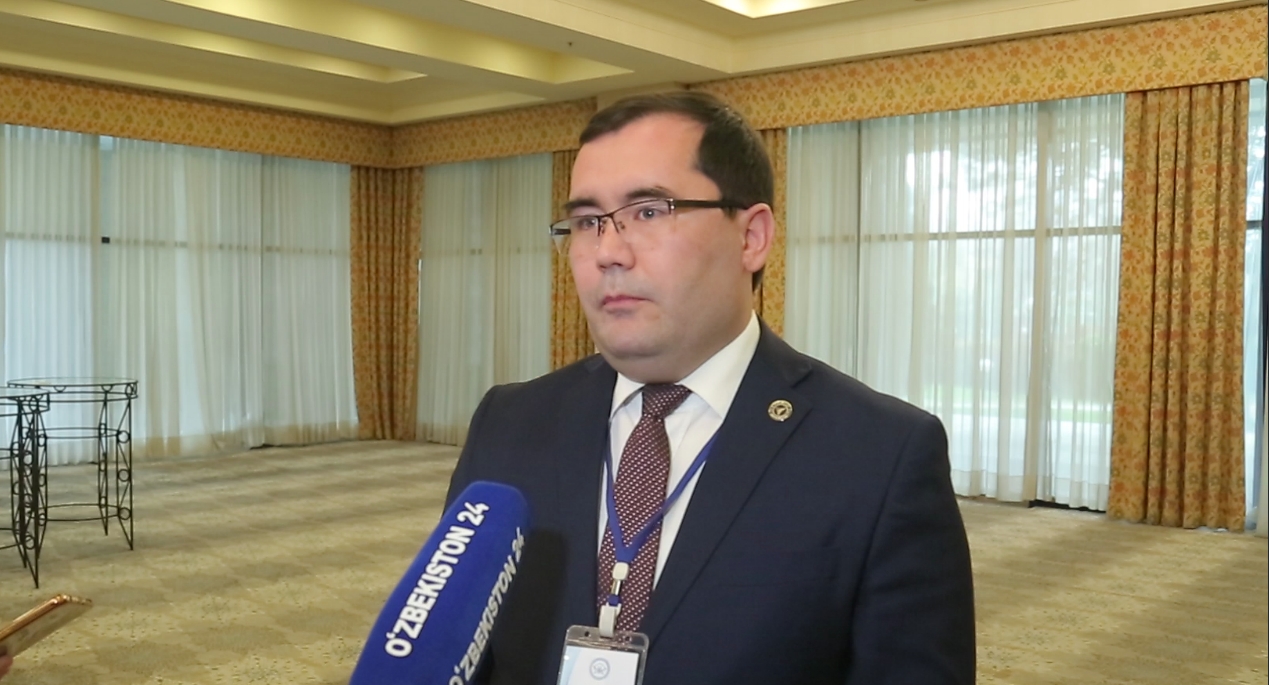
Eldor Tulyakov, Executive Director of the “Development Strategy” Center, spoke at the event, emphasizing the role and importance of mahalla chairmen in addressing social issues of concern to the population, and in particular said:
— During the pandemic 2020, the “Development Strategy” Center, the Center for Economic Research and Reforms under the Presidential Administration and the World Bank conducted a survey on the impact of economic reforms on the lives of citizens in Uzbekistan under the project "Listening to the citizens of Uzbekistan".
It has been attended by more than 18,000 households and more than 4,000 mahalla chairmen since the pandemic began. The study showed that in April 2020, the number of households with at least one member working in the household decreased by 40%, which is equivalent to about 2.8 million households.
The easing of quarantine measures in the summer months has led to some improvement in the process and the return of employment to pre-pandemic levels by the end of the year. Although the employment rate at the end of the year was 6% less than the 2019 figure, it continues to recover. The share of respondents who lost their jobs decreased from 19% in April 2020 to 4% by the end of the year.
Job losses were mostly observed among the service, manufacturing sectors, informal activities, and the self-employed.
During the conference, the participants paid special attention to strengthening the role of the mahalla in the socio-economic life of society, in particular, improving the work of relevant commissions in citizens' assemblies, expanding the system of work "by-mahallas" to improve the socio-spiritual environment in mahallas.
“Development Strategy” Center
Information service
 English
 Русский
 О'zbek


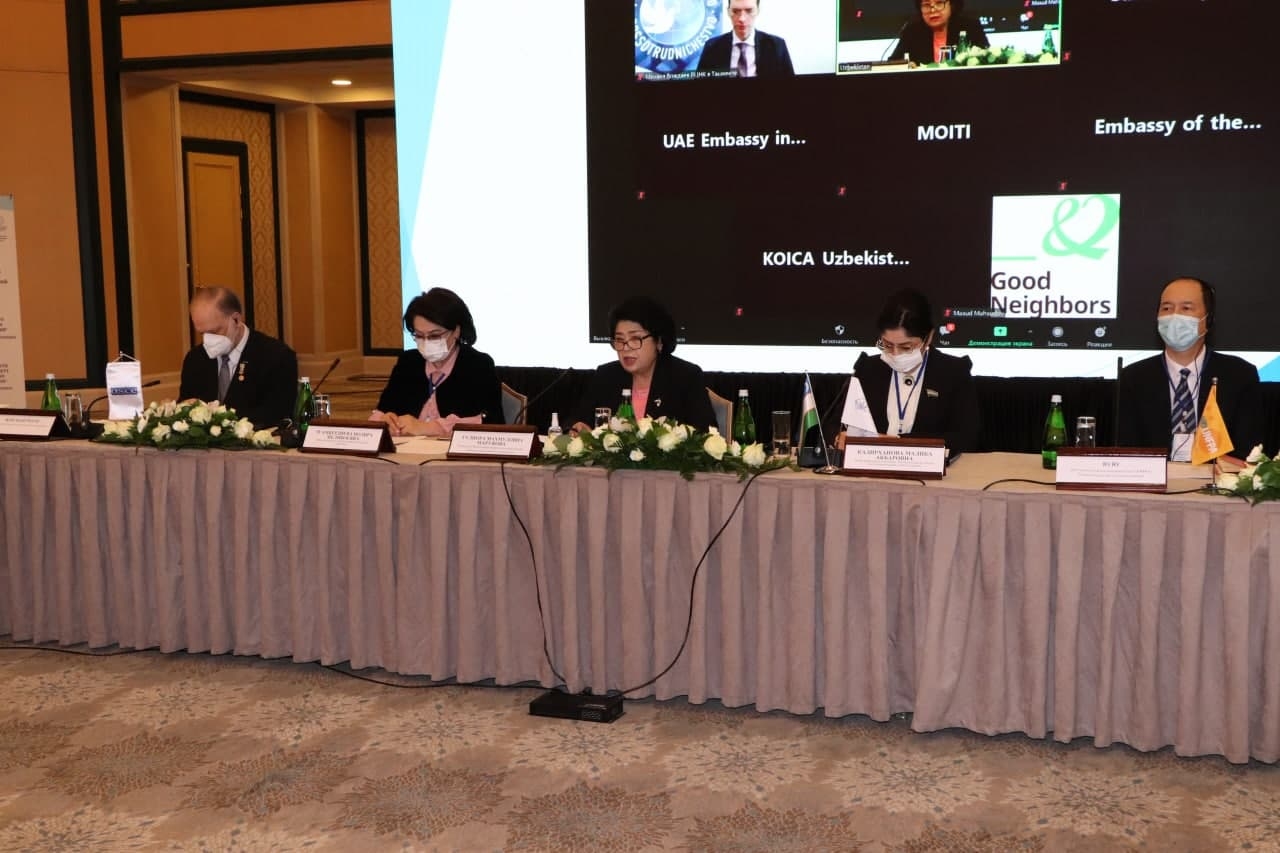
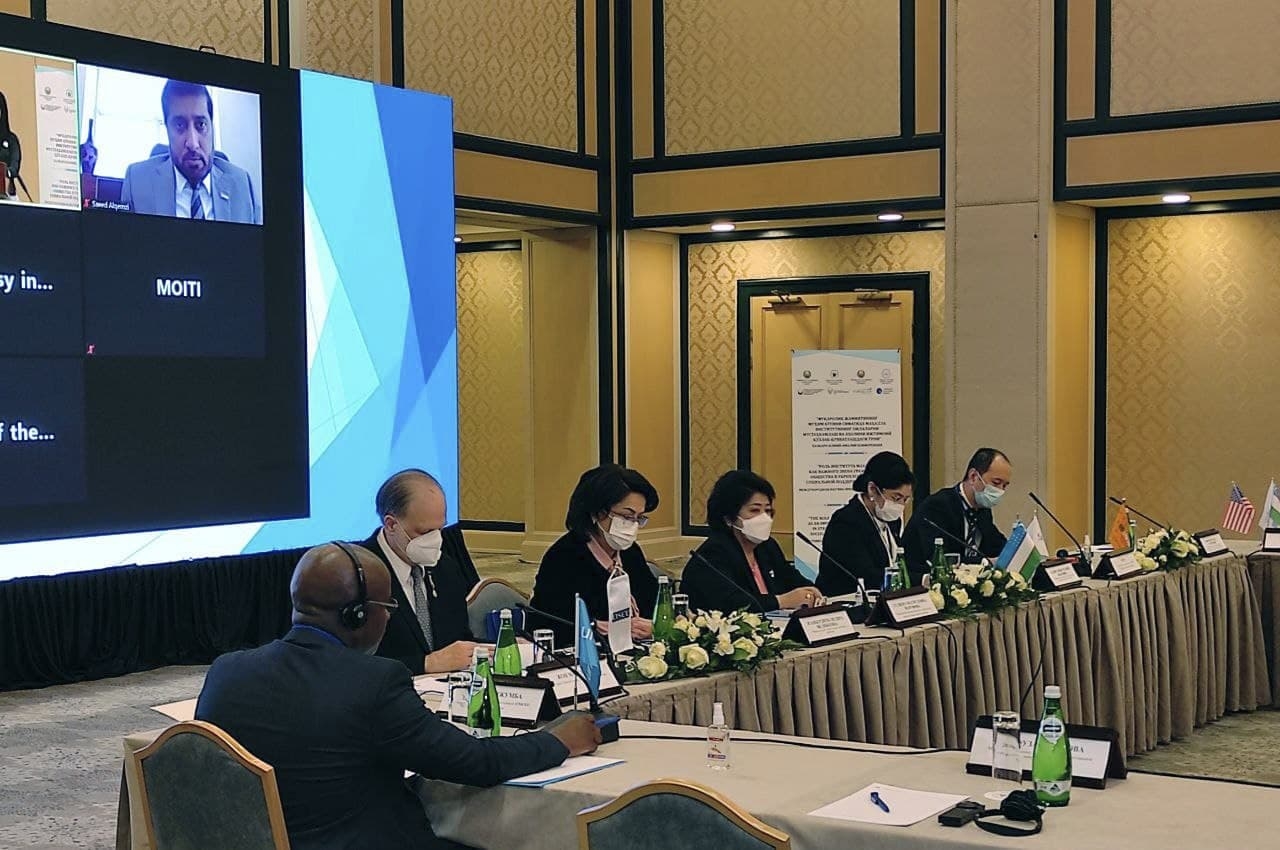
An international scientific-practical conference on "The role of the mahalla institute in strengthening families and social support of the population as an important link in civil society" was held on March 24 in Tashkent.
The event has been attended by representatives of the Senate, the Ministry of Mahalla and Family Support, the Ministry of Employment and Labor Relations, the “Development Strategy” Center, the “Yuksalish” national movement as well as the UNDP Resident Representative in Uzbekistan, the OSCE Project Coordinator in Uzbekistan. There have been discussed such issues as the mechanisms of introduction of the system of work "by-mahallas" in the implementation of such tasks as targeted support of young families, development of private entrepreneurship and family business, the establishment of public control over the activities of public administration.
Eldor Tulyakov, Executive Director of the “Development Strategy” Center, spoke at the event, emphasizing the role and importance of mahalla chairmen in addressing social issues of concern to the population, and in particular said:
— During the pandemic 2020, the “Development Strategy” Center, the Center for Economic Research and Reforms under the Presidential Administration and the World Bank conducted a survey on the impact of economic reforms on the lives of citizens in Uzbekistan under the project "Listening to the citizens of Uzbekistan".
It has been attended by more than 18,000 households and more than 4,000 mahalla chairmen since the pandemic began. The study showed that in April 2020, the number of households with at least one member working in the household decreased by 40%, which is equivalent to about 2.8 million households.
The easing of quarantine measures in the summer months has led to some improvement in the process and the return of employment to pre-pandemic levels by the end of the year. Although the employment rate at the end of the year was 6% less than the 2019 figure, it continues to recover. The share of respondents who lost their jobs decreased from 19% in April 2020 to 4% by the end of the year.
Job losses were mostly observed among the service, manufacturing sectors, informal activities, and the self-employed.
During the conference, the participants paid special attention to strengthening the role of the mahalla in the socio-economic life of society, in particular, improving the work of relevant commissions in citizens' assemblies, expanding the system of work "by-mahallas" to improve the socio-spiritual environment in mahallas.
“Development Strategy” Center
Information service