On June 25, the Centre for Development Strategy in cooperation with the Central Asian International Institute held a roundtable on "Strategic views of the Republic of Uzbekistan on strengthening relations between Central and South Asia."
The round table was attended by experts from the Development Strategy Center, the International Institute of Central Asia, the Institute for Strategic and Interregional Studies under the President of the Republic of Uzbekistan, the Center for Economic Research and Reforms, the Information and Analytical Center for International Relations, the Institute for Forecasting and Macroeconomic Research, as well as teaching staff of the University of World Economy and Diplomacy, Tashkent State University of Oriental Studies and representatives of the media.
At the event, the experts acknowledged the active foreign policy of Uzbekistan to strengthen cooperation between Central Asia and South Asia in trade, economic, transport, humanitarian and other spheres, as well as the initiatives put forward by the Head of State in this direction.
It was noted that over the past five years, a new political environment of mutual trust and support has been formed in Uzbekistan due to the intensification of relations between the Central Asian countries at all levels. This has provided an opportunity to effectively and jointly address pressing issues of regional development, primarily in trade, industry, investment, energy, transport and transit, water use, education, security, ecology, improving the social environment and quality of life of the region's population.
At the same time, Uzbekistan pursues an active foreign policy with a number of countries in the South Asian region, such as India and Pakistan. Uzbekistan's trade and economic ties with South Asia have grown, and by 2020 the volume of foreign trade reached 1.38 billion USD. This is 3.8% of Uzbekistan's total foreign trade.
The President of Uzbekistan is putting forward a number of important initiatives to strengthen cooperation between Central and South Asia in trade, economic, transport, humanitarian, tourism and other fields. These initiatives and ongoing efforts are not only of economic but also socio-political significance, they serve to ensure peace in the region and improve the well-being of the population.
In addition, the implementation of major infrastructure, cultural and humanitarian projects will serve to ensure stability and economic growth in Central and South Asia.
In particular, during the global pandemic, the interaction of Central Asian and South Asian countries has shown that the deepening of regional relations is a high-demand process that will help shape a stable, dynamically developing region. Therefore, the roundtable stressed the importance of Central Asian states not only to intensify economic cooperation, but also to ensure politically coordinated efforts to establish relations at a new interregional level.
Eldor Tulyakov Executive Director of the “Development Strategy” Centre:
— Uzbekistan, as an equal subject of international relations, is actively developing mutually beneficial relations with foreign partners, pursuing an active foreign policy at the regional and global levels.
Over the past five years, Uzbekistan's open, constructive, well-thought-out and pragmatic policy towards Central Asia has solved complex issues such as water use, delimitation and demarcation of state borders between Uzbekistan and neighbouring countries, use of transport communications, crossing state borders, and these activities are being consistently continued.
Development of cooperation not only with neighbouring countries, but also with neighbouring regions is a priority in the foreign policy of Uzbekistan. In particular, cooperation with the countries of the South Asian region is especially important, as the region has unique potential and opportunities.
The participants also noted the initiative of the President of Uzbekistan at the 75th session of the UN General Assembly to establish a UN Standing Committee on Afghanistan to coordinate peace efforts in this country and promote a stable political order.
The experts also noted the geographical proximity of the two regions, the global climate change that leads to environmental disasters and catastrophes, and the need to develop joint solutions to strengthen the position of countries in the region to respond to threats and mitigate the effects of climate change.
At the end of the roundtable, there was recognized the urgency of the initiative of the President of the Republic of Uzbekistan to organize a conference “Central and South Asia - regional relations. Proposals and Opportunities”, scheduled for July and exchanged opinions on the organization of this prestigious event.
Information Service of the
Development Strategy Centre
 English
 Русский
 О'zbek


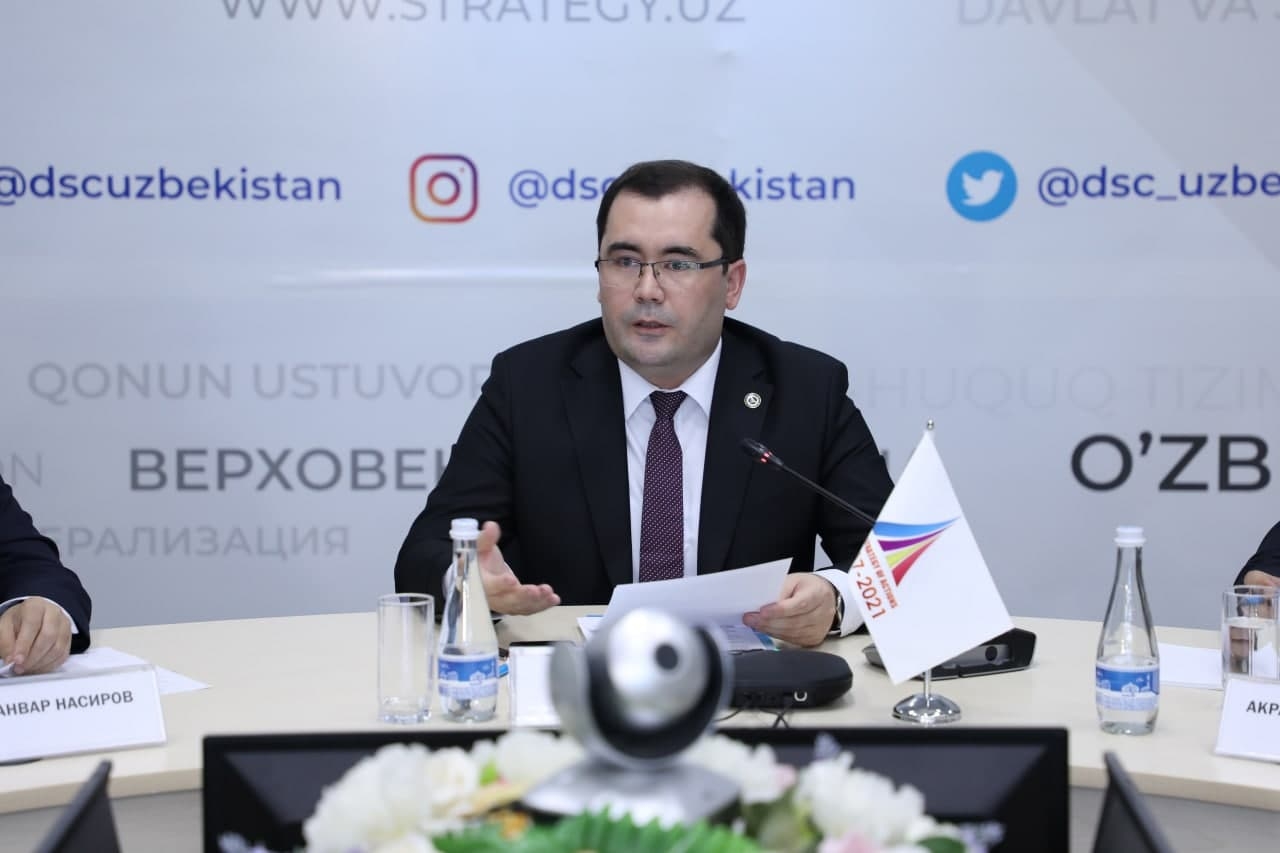
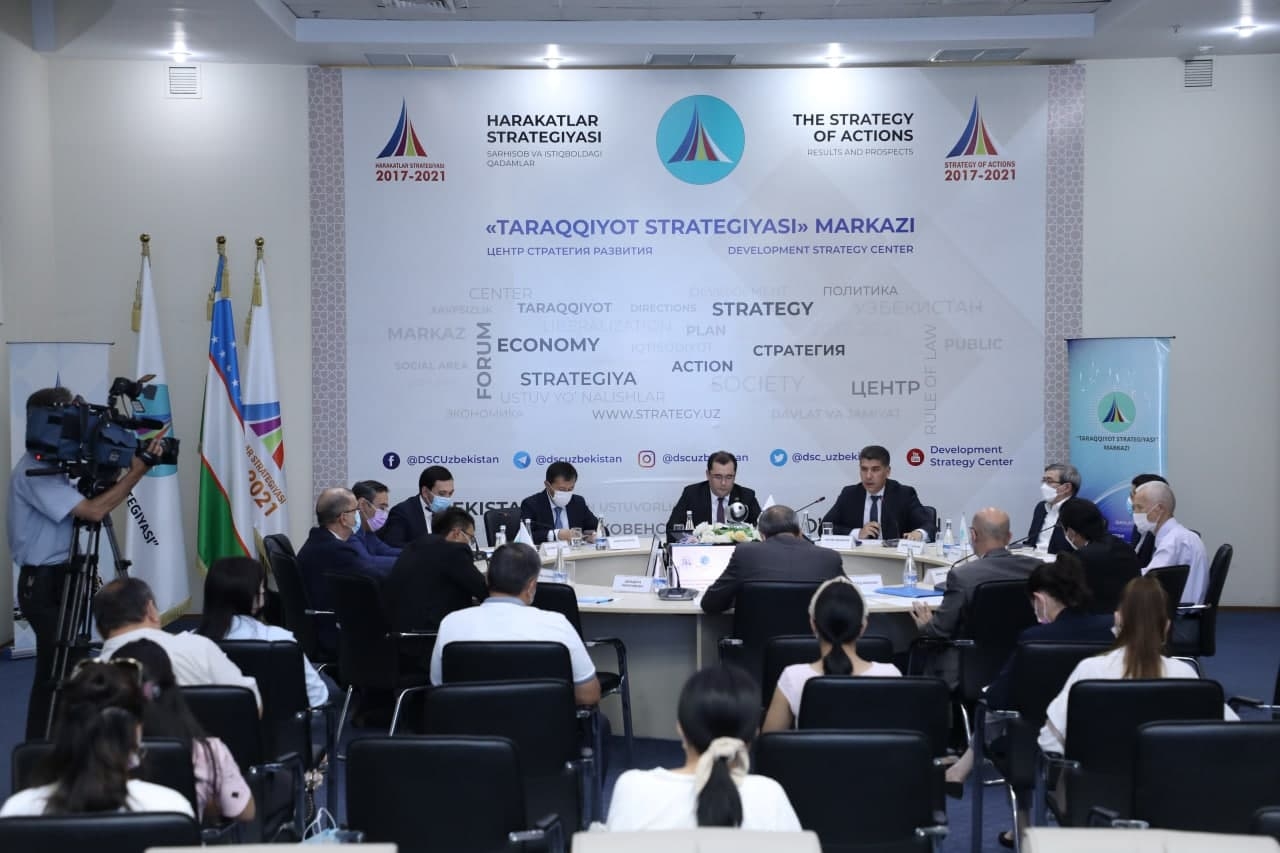
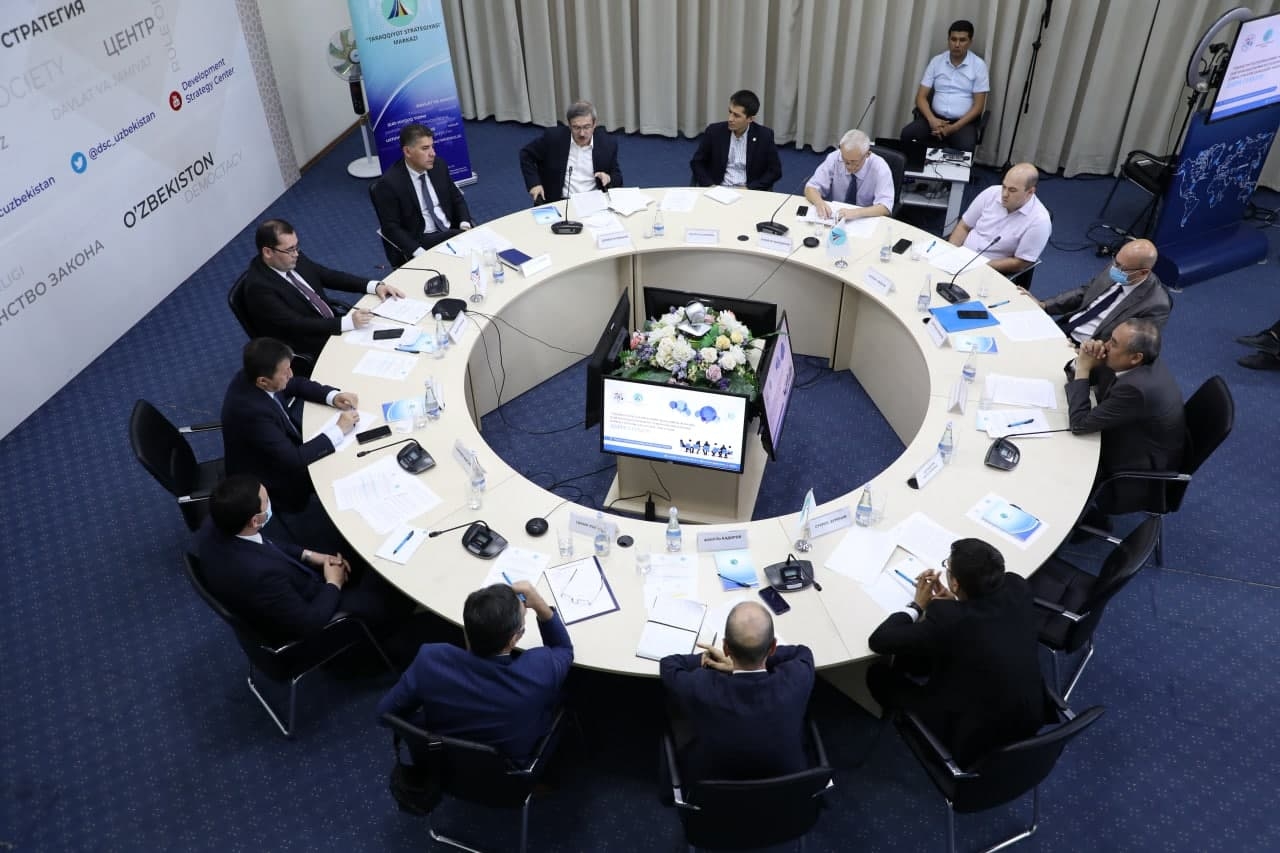
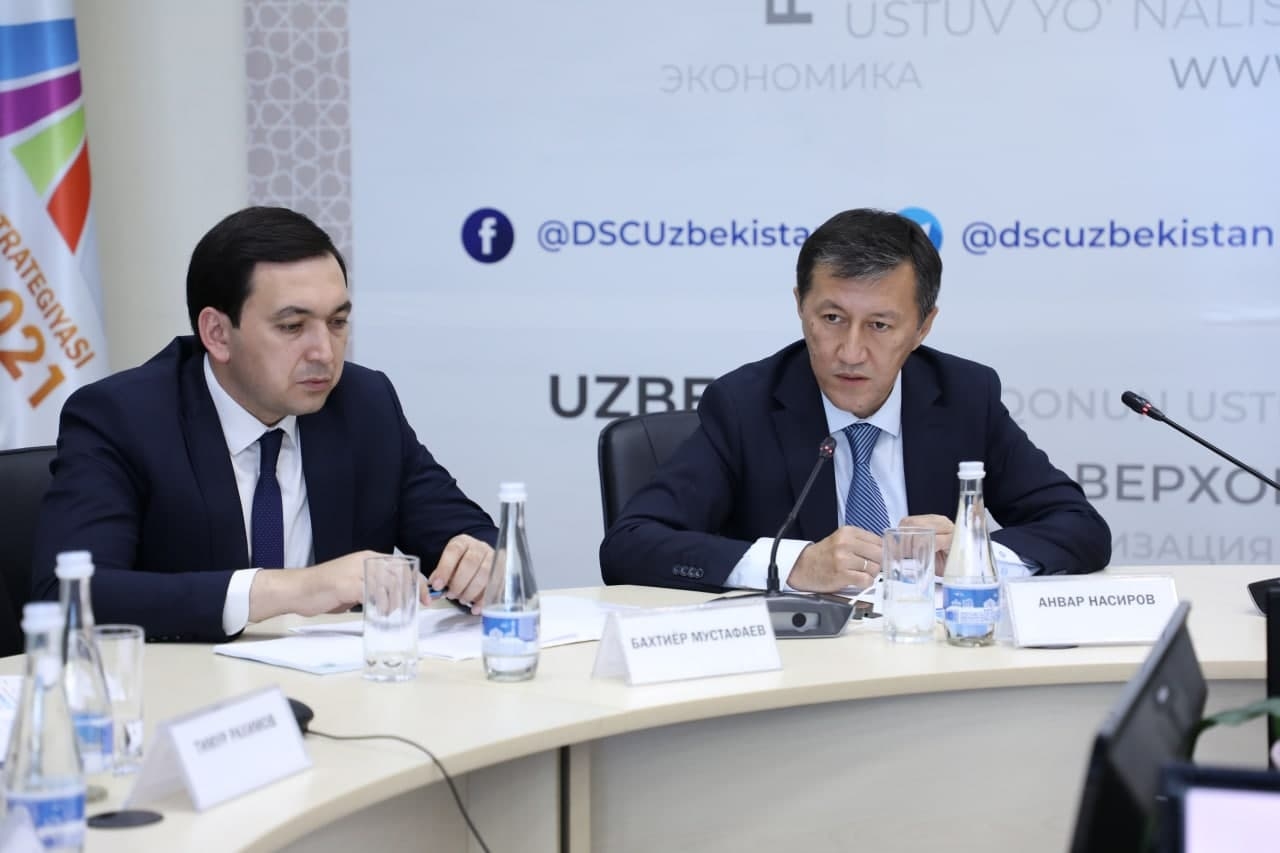
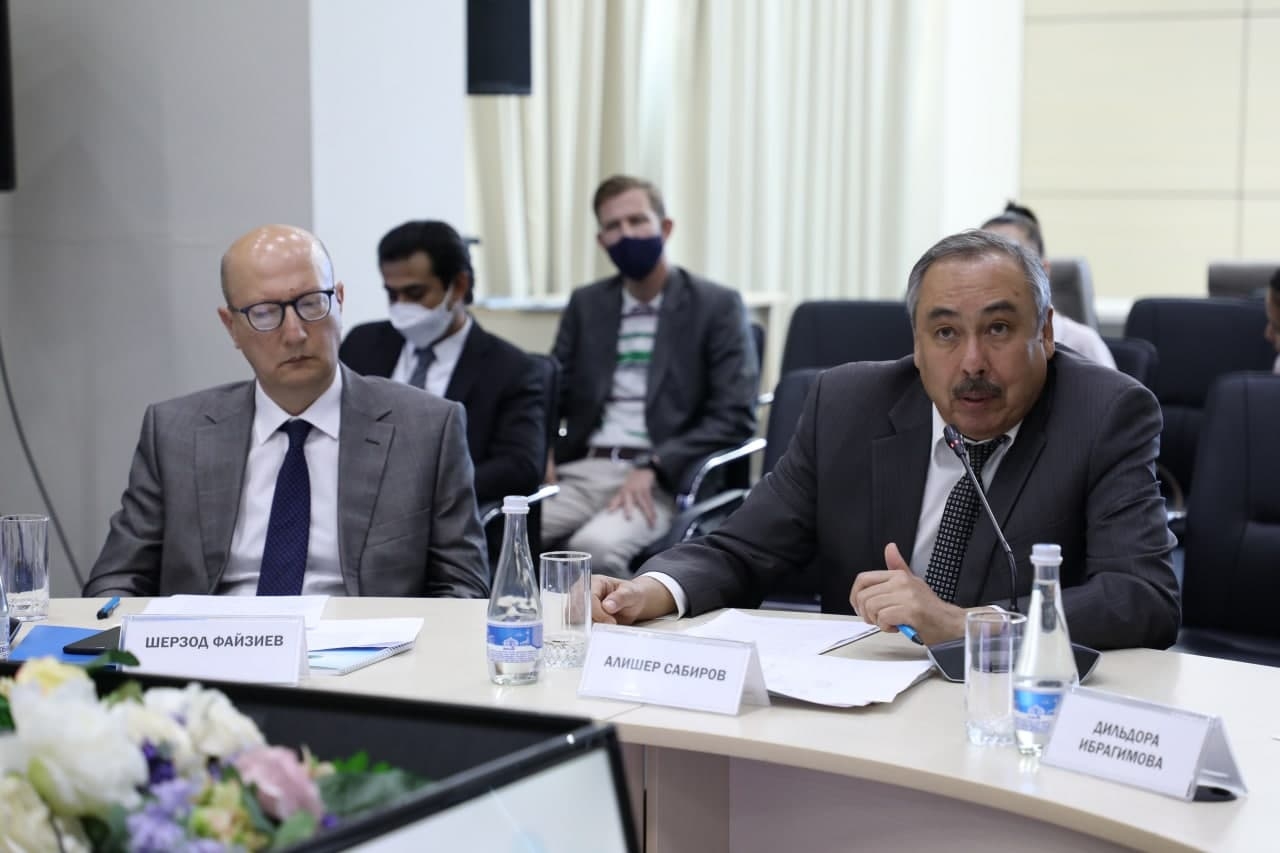
On June 25, the Centre for Development Strategy in cooperation with the Central Asian International Institute held a roundtable on "Strategic views of the Republic of Uzbekistan on strengthening relations between Central and South Asia."
The round table was attended by experts from the Development Strategy Center, the International Institute of Central Asia, the Institute for Strategic and Interregional Studies under the President of the Republic of Uzbekistan, the Center for Economic Research and Reforms, the Information and Analytical Center for International Relations, the Institute for Forecasting and Macroeconomic Research, as well as teaching staff of the University of World Economy and Diplomacy, Tashkent State University of Oriental Studies and representatives of the media.
At the event, the experts acknowledged the active foreign policy of Uzbekistan to strengthen cooperation between Central Asia and South Asia in trade, economic, transport, humanitarian and other spheres, as well as the initiatives put forward by the Head of State in this direction.
It was noted that over the past five years, a new political environment of mutual trust and support has been formed in Uzbekistan due to the intensification of relations between the Central Asian countries at all levels. This has provided an opportunity to effectively and jointly address pressing issues of regional development, primarily in trade, industry, investment, energy, transport and transit, water use, education, security, ecology, improving the social environment and quality of life of the region's population.
At the same time, Uzbekistan pursues an active foreign policy with a number of countries in the South Asian region, such as India and Pakistan. Uzbekistan's trade and economic ties with South Asia have grown, and by 2020 the volume of foreign trade reached 1.38 billion USD. This is 3.8% of Uzbekistan's total foreign trade.
The President of Uzbekistan is putting forward a number of important initiatives to strengthen cooperation between Central and South Asia in trade, economic, transport, humanitarian, tourism and other fields. These initiatives and ongoing efforts are not only of economic but also socio-political significance, they serve to ensure peace in the region and improve the well-being of the population.
In addition, the implementation of major infrastructure, cultural and humanitarian projects will serve to ensure stability and economic growth in Central and South Asia.
In particular, during the global pandemic, the interaction of Central Asian and South Asian countries has shown that the deepening of regional relations is a high-demand process that will help shape a stable, dynamically developing region. Therefore, the roundtable stressed the importance of Central Asian states not only to intensify economic cooperation, but also to ensure politically coordinated efforts to establish relations at a new interregional level.
Eldor Tulyakov Executive Director of the “Development Strategy” Centre:
— Uzbekistan, as an equal subject of international relations, is actively developing mutually beneficial relations with foreign partners, pursuing an active foreign policy at the regional and global levels.
Over the past five years, Uzbekistan's open, constructive, well-thought-out and pragmatic policy towards Central Asia has solved complex issues such as water use, delimitation and demarcation of state borders between Uzbekistan and neighbouring countries, use of transport communications, crossing state borders, and these activities are being consistently continued.
Development of cooperation not only with neighbouring countries, but also with neighbouring regions is a priority in the foreign policy of Uzbekistan. In particular, cooperation with the countries of the South Asian region is especially important, as the region has unique potential and opportunities.
The participants also noted the initiative of the President of Uzbekistan at the 75th session of the UN General Assembly to establish a UN Standing Committee on Afghanistan to coordinate peace efforts in this country and promote a stable political order.
The experts also noted the geographical proximity of the two regions, the global climate change that leads to environmental disasters and catastrophes, and the need to develop joint solutions to strengthen the position of countries in the region to respond to threats and mitigate the effects of climate change.
At the end of the roundtable, there was recognized the urgency of the initiative of the President of the Republic of Uzbekistan to organize a conference “Central and South Asia - regional relations. Proposals and Opportunities”, scheduled for July and exchanged opinions on the organization of this prestigious event.
Information Service of the
Development Strategy Centre