On June 25, the Chinese Embassy in Uzbekistan organized an international online symposium on "A new stage in the development of China and Uzbekistan", dedicated to the 100th anniversary of the Communist Party of China.
The online symposium was attended by Li Junfu, Deputy Director of the Sixth Directorate of the International Relations Department of the CPC Central Committee, Valery Tian, Deputy Chairman of the Committee on Interethnic Relations and Friendship with Foreign Countries under the Cabinet of Ministers, Sanjar Valiev, Deputy Director of the Institute of Strategic and Interregional Studies. Uktam Islamov, a member of the Committee on Foreign Affairs and Interparliamentary Relations, Eldor Tulyakov, executive director of the Centre for Development Strategy, and representatives of five political parties in Uzbekistan and Jin Zhe, Deputy Director of the Institute of Russia, Eastern Europe and Central Asia of the Chinese Academy of Social Sciences, and Su Chan, members of the public and the media.
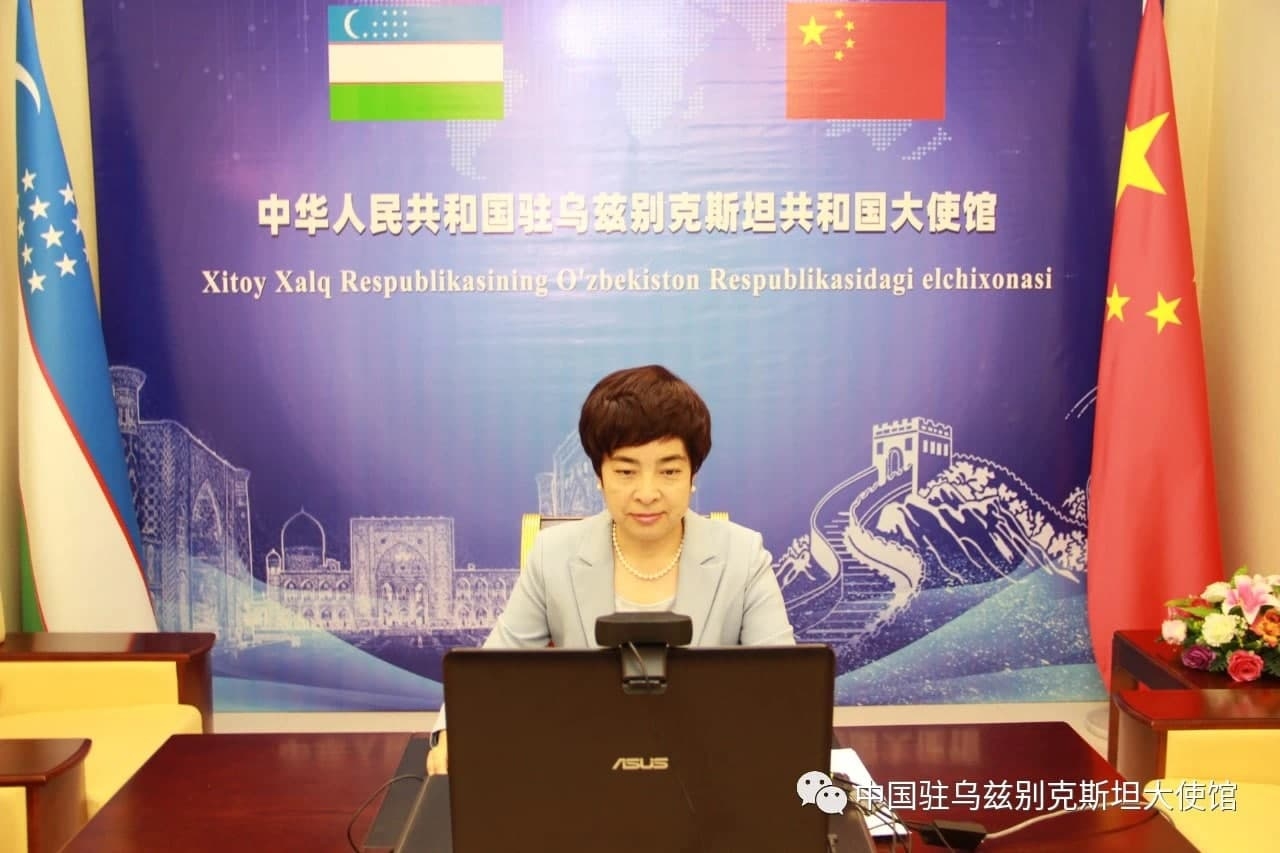
At the beginning of the event, Ambassador Extraordinary and Plenipotentiary of the People's Republic of China to Uzbekistan Mrs. Jiang Yan noted that in recent years, under the leadership of President Xi Jinping and President Shavkat Mirziyoyev, China-Uzbekistan comprehensive strategic relations have been developing rapidly. In particular, mutual political trust is gradually strengthening and multifaceted practical cooperation is deepening. As a result, cultural and humanitarian cooperation and interregional cooperation are expanding.
Specifically, the basic principles of long-term and effective Uzbek-Chinese relations are reflected in many documents, including, in particular, more than 220 documents such as the Joint Declaration on Strategic Partnership, the Treaty of Friendship and Cooperation, the Joint Declaration on Further Strengthening Uzbek-Chinese Cooperation, the Agreement on Strategic Partnership, the Agreement on International Road Transport.
Uzbek-Chinese relations are also developing effectively within the Shanghai Cooperation Organization. In this regard, the Charter, signed at the SCO Summit in 2002, is a policy document of the organization, which has given a great impetus to its development. This document envisages cooperation not only in the field of security, but also in trade and economic, scientific and technical, educational, cultural and sports, healthcare.
Not only trade, communications, but also tourism have a positive impact on the rise of Uzbek-Chinese relations to a new level in the cultural and humanitarian sphere. Monuments of ancient historical culture of Uzbekistan have always attracted the attention of foreign tourists. In Uzbek-Chinese relations, special attention is paid to cooperation in the field of tourism, and since 2010 the Republic of Uzbekistan has been granted the status of a tourist destination for Chinese citizens traveling in groups. Every two years, Chinese artists regularly take part in the “Sharq Taronalari” International Music Festival in Samarkand. Days of Chinese Culture, Days of Cinema, art exhibitions and festivals aimed at strengthening cultural dialogue are being held in our country.
The participants of the symposium also stressed the importance of developing humanitarian cooperation at the level of the peoples of the two countries, the establishment of cooperative relations between business circles, the development of multifaceted intersectoral cooperation.
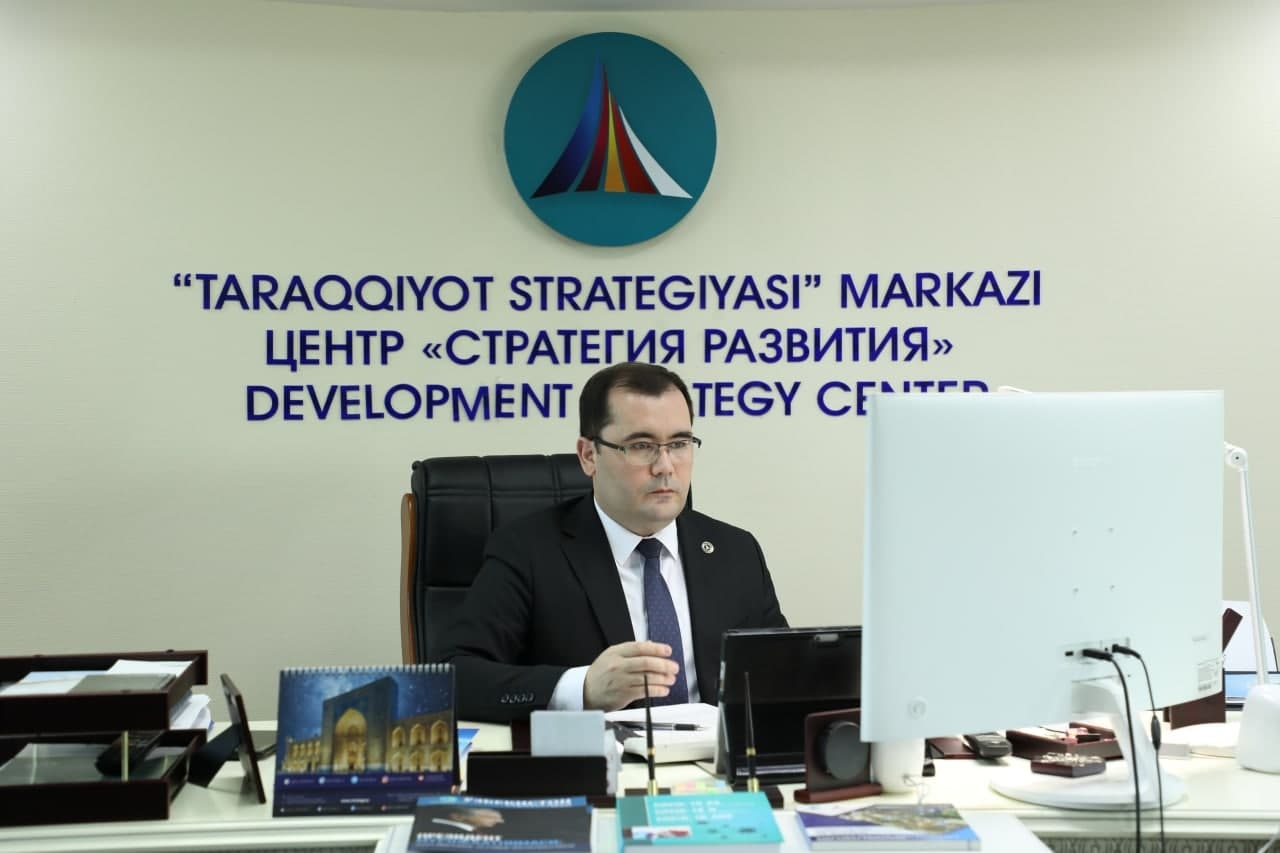
Eldor Tulyakov,
Executive Director of the Centre for Development Strategy:
— As we all know, for more than 30 years, our countries have increasingly covered all aspects of bilateral cooperation, and the mutually beneficial relations established between the two countries form the basis of this cooperation. In the relations between Uzbekistan and China, there is a common vision of terrorism, extremism, separatism, drug and arms trafficking.
Uzbekistan considers strengthening strategic cooperation with the People's Republic of China, expanding broad trade, economic, investment and financial cooperation as a priority of bilateral relations based on the principles of mutual interest and equality. According to the bilateral trade and economic agreement, the two countries have established the most favourable conditions for trade and economic relations. This is evidenced by the fact that over the past three years, China has been ranked first among Uzbekistan's foreign trade partners.
In particular, in this regard, the export of goods from Uzbekistan amounted to 17.7%, and exports of services - 12.8%, and trade turnover increased by 1.6 times compared to 2017.
In addition, Uzbekistan actively supports the idea of China "One belt, one way." Involvement of our country in this project is important in terms of ensuring sustainable economic development, achieving the priorities of important transport and infrastructure projects that can have a positive impact on the whole of Central Asia.
In turn, the Development Strategy Centre actively cooperates with the Chinese Embassy in Uzbekistan and a number of governmental and non-governmental organizations operating in the People's Republic of China, in particular, the prestigious "Mind Centre".
At the end of the symposium, it was noted that the broad prospects of Sino-Uzbek relations and a worthy example of good neighbourliness, friendship and mutual assistance will continue.
Development Strategy Centre
Information service
 English
 Русский
 О'zbek


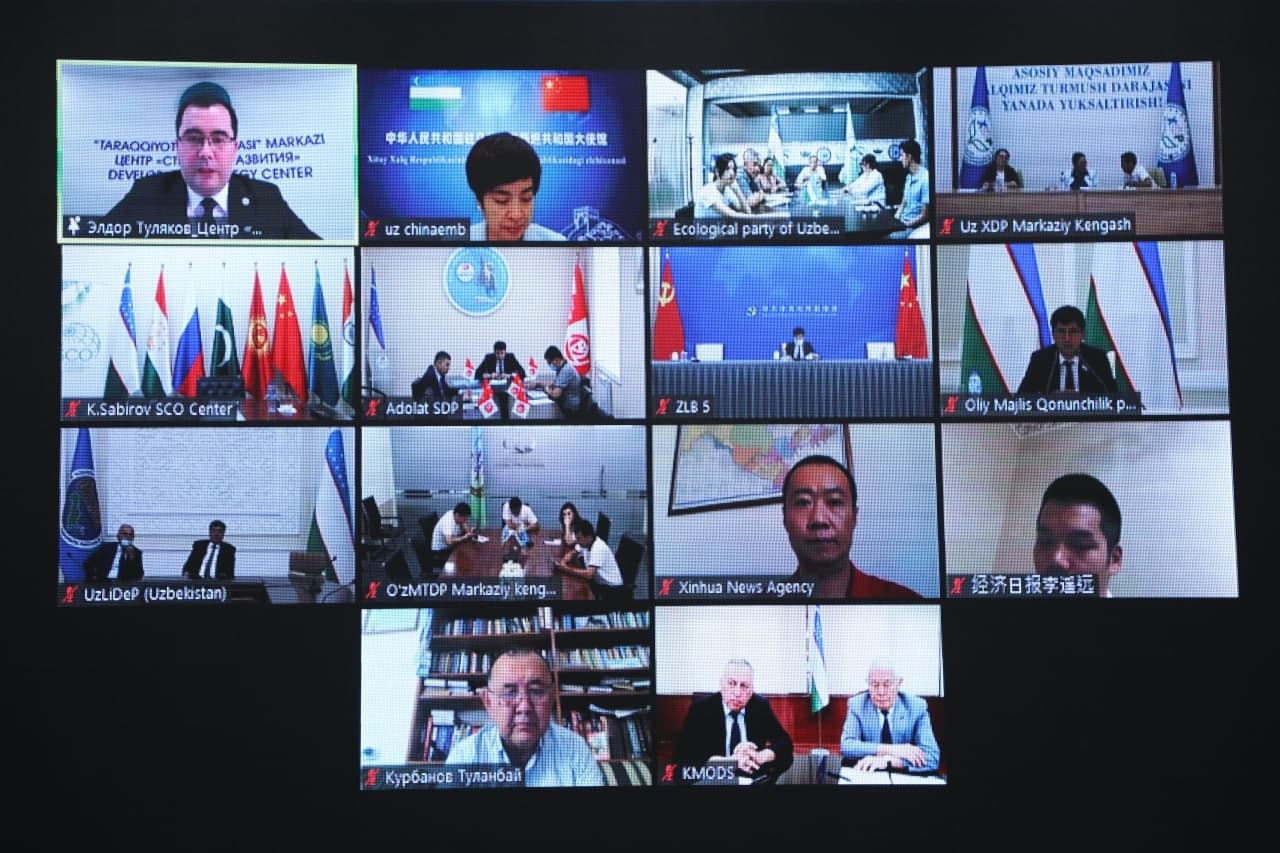
On June 25, the Chinese Embassy in Uzbekistan organized an international online symposium on "A new stage in the development of China and Uzbekistan", dedicated to the 100th anniversary of the Communist Party of China.
The online symposium was attended by Li Junfu, Deputy Director of the Sixth Directorate of the International Relations Department of the CPC Central Committee, Valery Tian, Deputy Chairman of the Committee on Interethnic Relations and Friendship with Foreign Countries under the Cabinet of Ministers, Sanjar Valiev, Deputy Director of the Institute of Strategic and Interregional Studies. Uktam Islamov, a member of the Committee on Foreign Affairs and Interparliamentary Relations, Eldor Tulyakov, executive director of the Centre for Development Strategy, and representatives of five political parties in Uzbekistan and Jin Zhe, Deputy Director of the Institute of Russia, Eastern Europe and Central Asia of the Chinese Academy of Social Sciences, and Su Chan, members of the public and the media.
At the beginning of the event, Ambassador Extraordinary and Plenipotentiary of the People's Republic of China to Uzbekistan Mrs. Jiang Yan noted that in recent years, under the leadership of President Xi Jinping and President Shavkat Mirziyoyev, China-Uzbekistan comprehensive strategic relations have been developing rapidly. In particular, mutual political trust is gradually strengthening and multifaceted practical cooperation is deepening. As a result, cultural and humanitarian cooperation and interregional cooperation are expanding.
Specifically, the basic principles of long-term and effective Uzbek-Chinese relations are reflected in many documents, including, in particular, more than 220 documents such as the Joint Declaration on Strategic Partnership, the Treaty of Friendship and Cooperation, the Joint Declaration on Further Strengthening Uzbek-Chinese Cooperation, the Agreement on Strategic Partnership, the Agreement on International Road Transport.
Uzbek-Chinese relations are also developing effectively within the Shanghai Cooperation Organization. In this regard, the Charter, signed at the SCO Summit in 2002, is a policy document of the organization, which has given a great impetus to its development. This document envisages cooperation not only in the field of security, but also in trade and economic, scientific and technical, educational, cultural and sports, healthcare.
Not only trade, communications, but also tourism have a positive impact on the rise of Uzbek-Chinese relations to a new level in the cultural and humanitarian sphere. Monuments of ancient historical culture of Uzbekistan have always attracted the attention of foreign tourists. In Uzbek-Chinese relations, special attention is paid to cooperation in the field of tourism, and since 2010 the Republic of Uzbekistan has been granted the status of a tourist destination for Chinese citizens traveling in groups. Every two years, Chinese artists regularly take part in the “Sharq Taronalari” International Music Festival in Samarkand. Days of Chinese Culture, Days of Cinema, art exhibitions and festivals aimed at strengthening cultural dialogue are being held in our country.
The participants of the symposium also stressed the importance of developing humanitarian cooperation at the level of the peoples of the two countries, the establishment of cooperative relations between business circles, the development of multifaceted intersectoral cooperation.
Eldor Tulyakov,
Executive Director of the Centre for Development Strategy:
— As we all know, for more than 30 years, our countries have increasingly covered all aspects of bilateral cooperation, and the mutually beneficial relations established between the two countries form the basis of this cooperation. In the relations between Uzbekistan and China, there is a common vision of terrorism, extremism, separatism, drug and arms trafficking.
Uzbekistan considers strengthening strategic cooperation with the People's Republic of China, expanding broad trade, economic, investment and financial cooperation as a priority of bilateral relations based on the principles of mutual interest and equality. According to the bilateral trade and economic agreement, the two countries have established the most favourable conditions for trade and economic relations. This is evidenced by the fact that over the past three years, China has been ranked first among Uzbekistan's foreign trade partners.
In particular, in this regard, the export of goods from Uzbekistan amounted to 17.7%, and exports of services - 12.8%, and trade turnover increased by 1.6 times compared to 2017.
In addition, Uzbekistan actively supports the idea of China "One belt, one way." Involvement of our country in this project is important in terms of ensuring sustainable economic development, achieving the priorities of important transport and infrastructure projects that can have a positive impact on the whole of Central Asia.
In turn, the Development Strategy Centre actively cooperates with the Chinese Embassy in Uzbekistan and a number of governmental and non-governmental organizations operating in the People's Republic of China, in particular, the prestigious "Mind Centre".
At the end of the symposium, it was noted that the broad prospects of Sino-Uzbek relations and a worthy example of good neighbourliness, friendship and mutual assistance will continue.
Development Strategy Centre
Information service