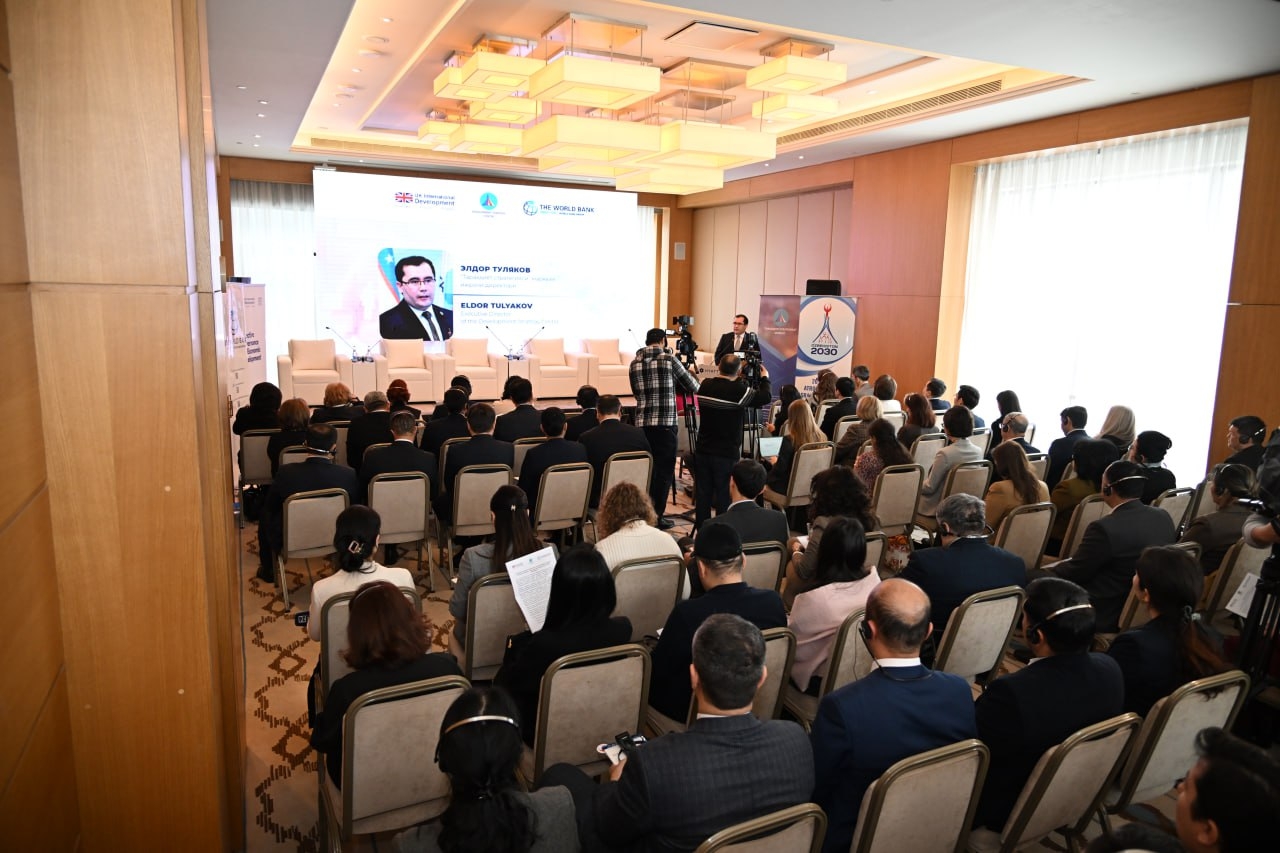
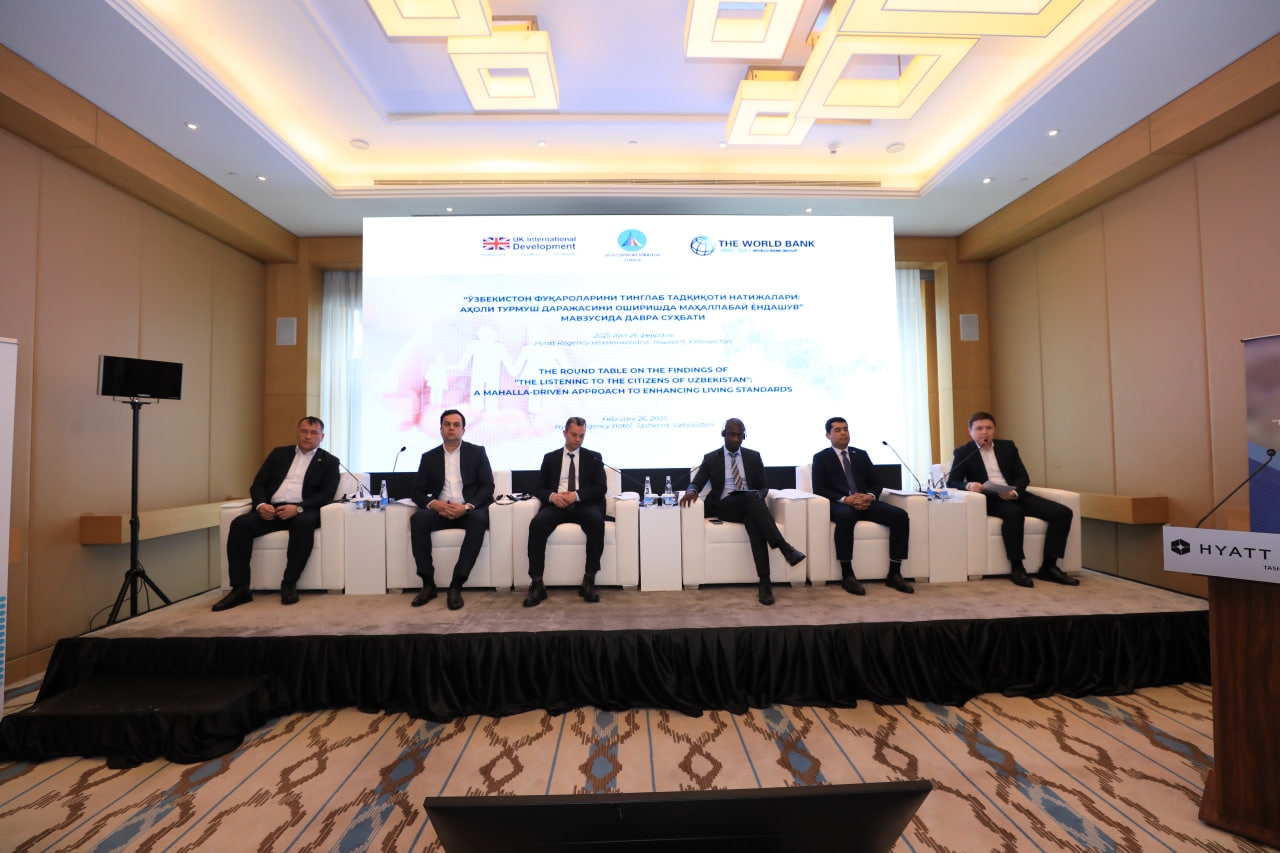
On February 26 of this year, the Development Strategy Center, with the support of the World Bank and the British Government, in collaboration with the Central Asia Regional Development Office of the Foreign, Commonwealth and Development Office (FCDO), organized a roundtable discussion on the topic "Results of a survey of citizens of Uzbekistan: a mahallabay approach to improving the living standards of the population."
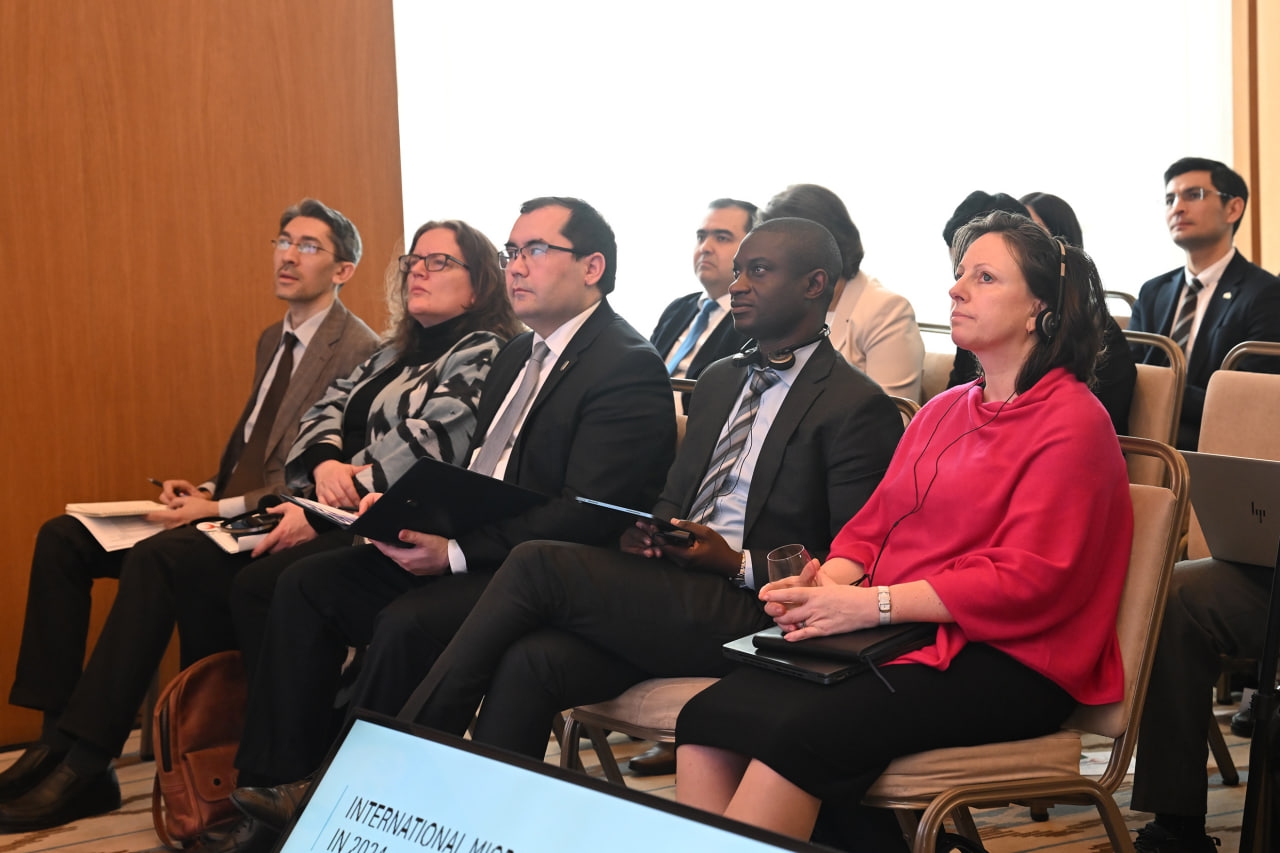
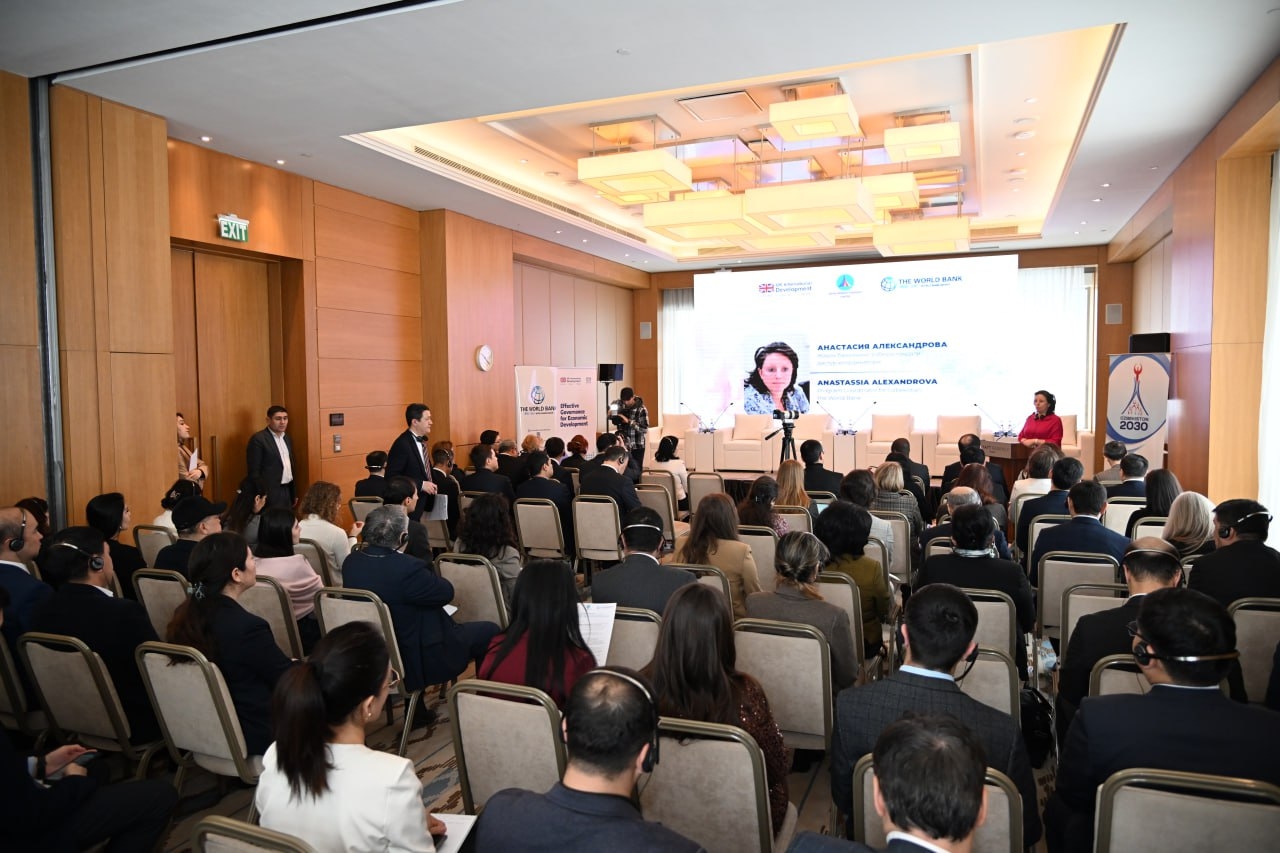
The event was attended by representatives of the Parliament of Uzbekistan, ministries and departments, relevant international organizations, foreign missions in our country, analytical centres, international and local experts, and the media.
The roundtable discussed the results of the "Listening to the Citizens of Uzbekistan" study, as well as the consistency of the "Uzbekistan – 2030" strategy with the Sustainable Development Goals, issues of economic growth, the standard of living of the population, migration problems, and social protection.
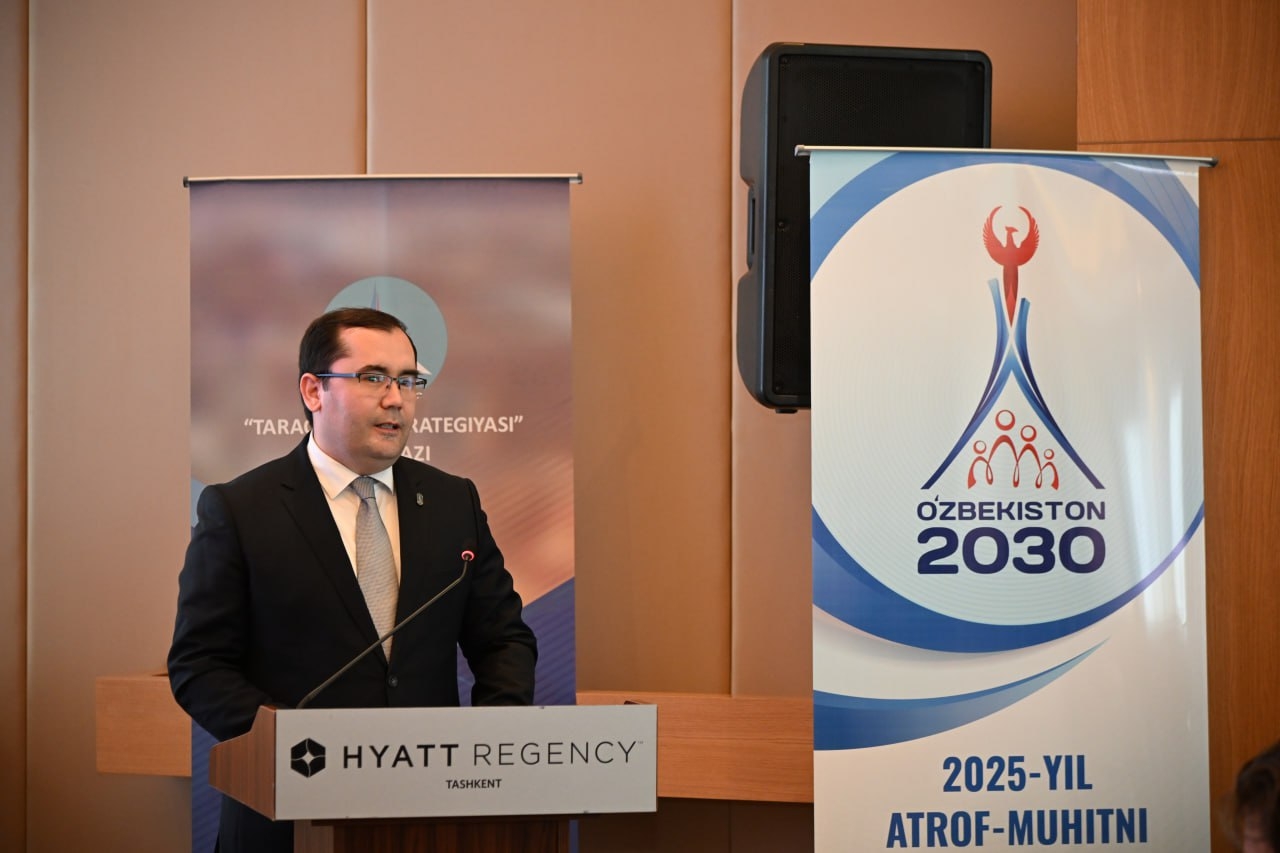
In his opening remarks, the Executive Director of the Development Strategy Center, Eldor Tulyakov, noted that the World Bank's "Listening to the Citizens of Uzbekistan" project is one of the important research projects aimed at studying the impact of the reforms being carried out in Uzbekistan on the lives of citizens.
At the event, a presentation was made on how general socio-economic trends in Uzbekistan are changing based on project research data.
It is noted that in recent years, the socio-economic situation in Uzbekistan has significantly improved. The changes taking place as a result of the reforms are constantly being taken into account not only by our people, but also by the international community.
In particular, as a result of the efforts made in 2024:
• the poverty rate was reduced by 8.9%;
• inflation was reduced to 9.8%;
• preschool education coverage reached 76%;
• the level of youth enrolment in higher education has increased by 43%;
• gross domestic product (GDP) reached $115 billion;
• the volume of exports reached $27 billion.
Taking into account that the "Uzbekistan – 2030" strategy sets such strategic goals as reducing the poverty rate to 7.1 percent by 2026, increasing the share of women in management positions by 30 percent, reducing the unemployment rate to 7 percent, bringing per capita income to $ 4 thousand, ensuring full coverage of children with preschool education, increasing the level of youth enrolment in higher education to at least 50 percent, and achieving full coverage of all those in need with the social protection system, we hope that the results of the World Bank's "Listening to the Citizens of Uzbekistan" survey will contribute to policymakers' decision-making on identifying and eliminating obstacles to the timely and high-quality implementation of these goals," said Eldor Tulyakov.
Within the framework of the round table, based on the results of the survey "Listening to the Citizens of Uzbekistan," the general trends of the socio-economic situation, migration policy of Uzbekistan, existing problems, and the "From Poverty to Prosperity" program - issues of a mahallabay approach were considered. Also, a panel discussion was held on the topic "From Local Initiatives to National Impact: mahalla-level measures to improve the living standards of socially vulnerable groups in Uzbekistan."
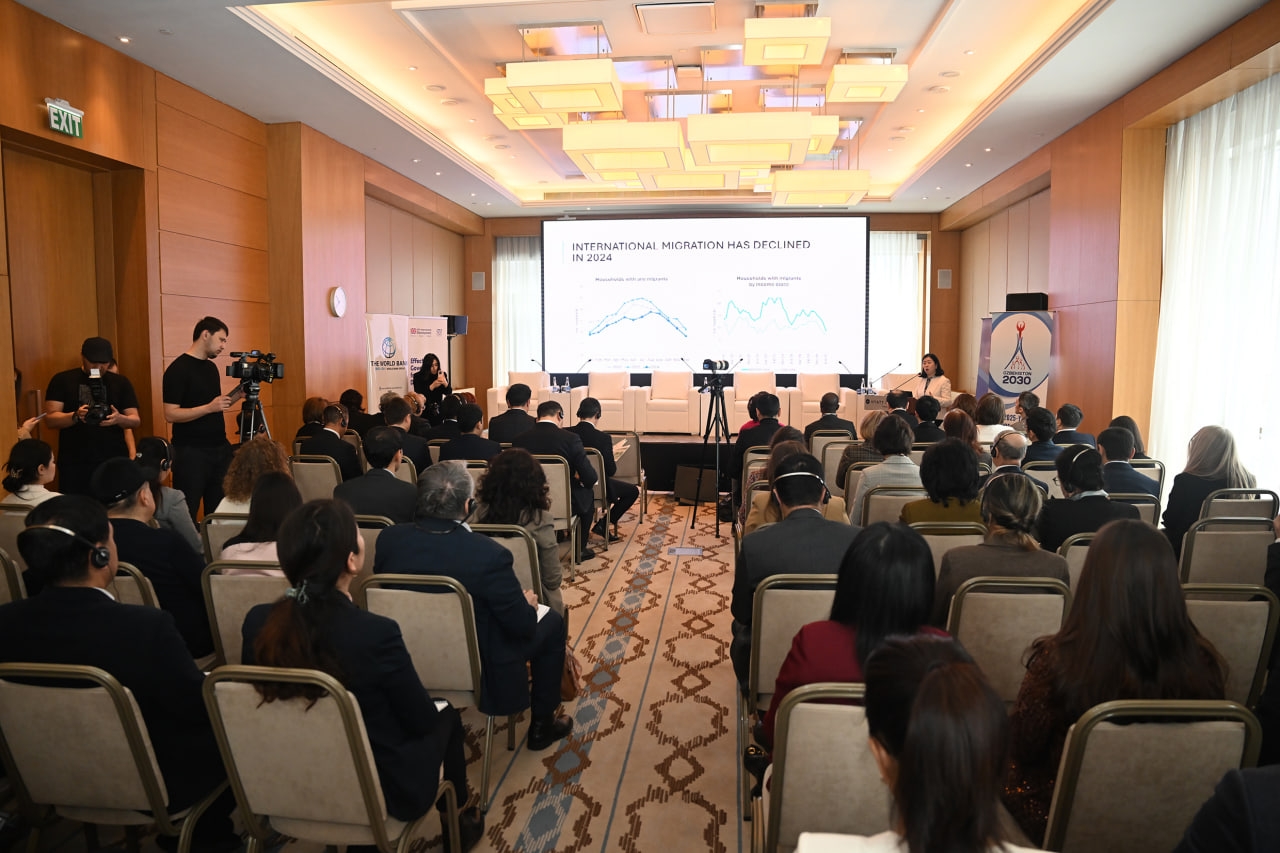
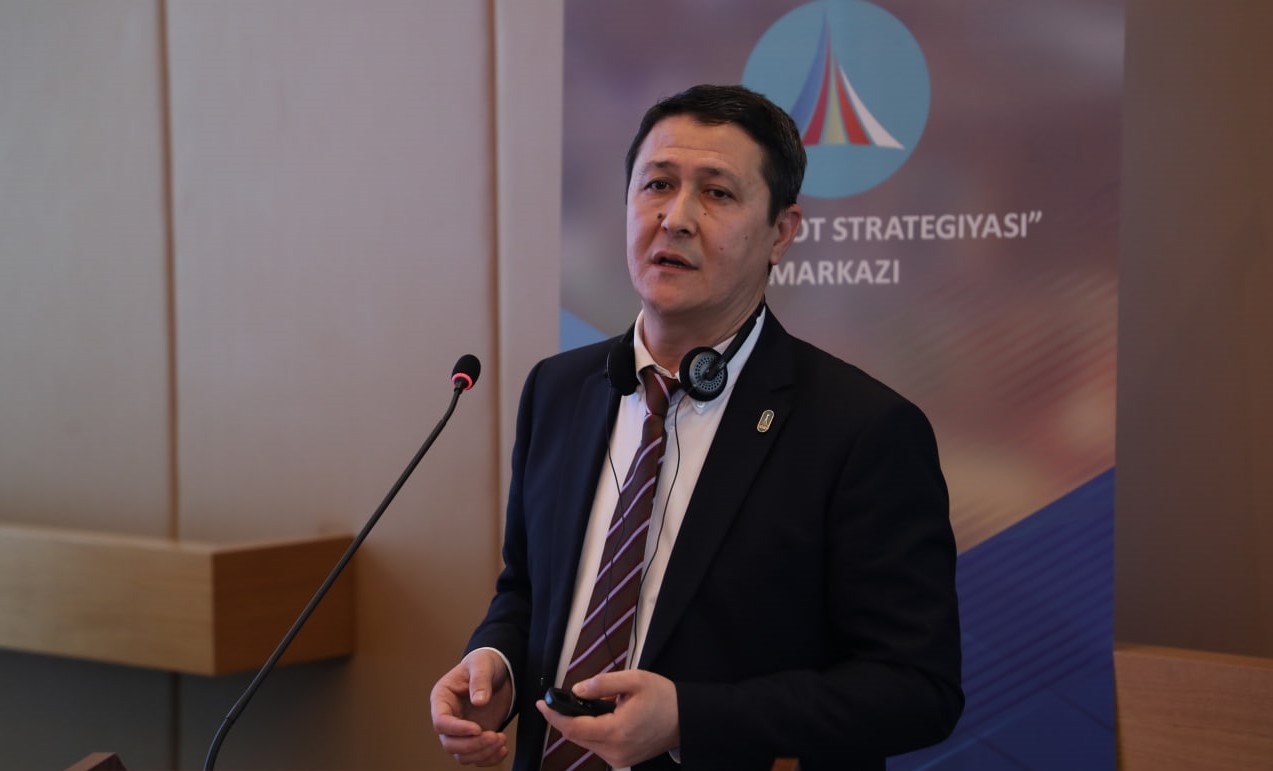
World Bank Senior Economist Ikuko Uochi shared the results of surveys conducted in January 2025 with about 1,500 households in rural and urban areas across the country. In particular, he presented the opinions of the population regarding the labour market situation, the impact of price increases and inflation on respondents' incomes, food security, and recent migration trends.
Ikuko Uochi also provided an update on recent macroeconomic and poverty reduction developments. With Uzbekistan’s new Poverty Reduction Strategy Paper, adopted in September 2024, emphasizing a community-based approach at the mahalla level, the World Bank has introduced new “mahallabay” approaches. These approaches are designed to help policymakers more effectively identify the mahallas and districts with the greatest need, allowing them to create programs tailored to local conditions.
Also, during the roundtable discussion, a presentation of the collection ‘Infographic analysis of the implementation of the “Uzbekistan – 2030” strategy in accordance with the UN's "Sustainable Development Goals"’ was held, prepared by the "Development Strategy" Center, which demonstrates the compliance of the reforms implemented within the framework of the "Uzbekistan - 2030" strategy with international standards.
This infographic collection has been developed as an important resource reflecting the coherence between the "Uzbekistan - 2030" strategy and the UN Sustainable Development Goals (SDGs).
This publication provides detailed information on the "Uzbekistan 2030" strategy reforms, being implemented in accordance with the SDGs. This will help to better understand the scale and importance of major reforms aimed at the sustainable development of society.
The collection provides up-to-date information on the alignment of the country's efforts with strategic plans and international standards for the general public, experts and the international community in a clear and visual way.
Development Strategy Center
Information service
 English
 Русский
 О'zbek


On February 26 of this year, the Development Strategy Center, with the support of the World Bank and the British Government, in collaboration with the Central Asia Regional Development Office of the Foreign, Commonwealth and Development Office (FCDO), organized a roundtable discussion on the topic "Results of a survey of citizens of Uzbekistan: a mahallabay approach to improving the living standards of the population."
The event was attended by representatives of the Parliament of Uzbekistan, ministries and departments, relevant international organizations, foreign missions in our country, analytical centres, international and local experts, and the media.
The roundtable discussed the results of the "Listening to the Citizens of Uzbekistan" study, as well as the consistency of the "Uzbekistan – 2030" strategy with the Sustainable Development Goals, issues of economic growth, the standard of living of the population, migration problems, and social protection.
In his opening remarks, the Executive Director of the Development Strategy Center, Eldor Tulyakov, noted that the World Bank's "Listening to the Citizens of Uzbekistan" project is one of the important research projects aimed at studying the impact of the reforms being carried out in Uzbekistan on the lives of citizens.
At the event, a presentation was made on how general socio-economic trends in Uzbekistan are changing based on project research data.
It is noted that in recent years, the socio-economic situation in Uzbekistan has significantly improved. The changes taking place as a result of the reforms are constantly being taken into account not only by our people, but also by the international community.
In particular, as a result of the efforts made in 2024:
• the poverty rate was reduced by 8.9%;
• inflation was reduced to 9.8%;
• preschool education coverage reached 76%;
• the level of youth enrolment in higher education has increased by 43%;
• gross domestic product (GDP) reached $115 billion;
• the volume of exports reached $27 billion.
Taking into account that the "Uzbekistan – 2030" strategy sets such strategic goals as reducing the poverty rate to 7.1 percent by 2026, increasing the share of women in management positions by 30 percent, reducing the unemployment rate to 7 percent, bringing per capita income to $ 4 thousand, ensuring full coverage of children with preschool education, increasing the level of youth enrolment in higher education to at least 50 percent, and achieving full coverage of all those in need with the social protection system, we hope that the results of the World Bank's "Listening to the Citizens of Uzbekistan" survey will contribute to policymakers' decision-making on identifying and eliminating obstacles to the timely and high-quality implementation of these goals," said Eldor Tulyakov.
Within the framework of the round table, based on the results of the survey "Listening to the Citizens of Uzbekistan," the general trends of the socio-economic situation, migration policy of Uzbekistan, existing problems, and the "From Poverty to Prosperity" program - issues of a mahallabay approach were considered. Also, a panel discussion was held on the topic "From Local Initiatives to National Impact: mahalla-level measures to improve the living standards of socially vulnerable groups in Uzbekistan."
World Bank Senior Economist Ikuko Uochi shared the results of surveys conducted in January 2025 with about 1,500 households in rural and urban areas across the country. In particular, he presented the opinions of the population regarding the labour market situation, the impact of price increases and inflation on respondents' incomes, food security, and recent migration trends.
Ikuko Uochi also provided an update on recent macroeconomic and poverty reduction developments. With Uzbekistan’s new Poverty Reduction Strategy Paper, adopted in September 2024, emphasizing a community-based approach at the mahalla level, the World Bank has introduced new “mahallabay” approaches. These approaches are designed to help policymakers more effectively identify the mahallas and districts with the greatest need, allowing them to create programs tailored to local conditions.
Also, during the roundtable discussion, a presentation of the collection ‘Infographic analysis of the implementation of the “Uzbekistan – 2030” strategy in accordance with the UN's "Sustainable Development Goals"’ was held, prepared by the "Development Strategy" Center, which demonstrates the compliance of the reforms implemented within the framework of the "Uzbekistan - 2030" strategy with international standards.
This infographic collection has been developed as an important resource reflecting the coherence between the "Uzbekistan - 2030" strategy and the UN Sustainable Development Goals (SDGs).
This publication provides detailed information on the "Uzbekistan 2030" strategy reforms, being implemented in accordance with the SDGs. This will help to better understand the scale and importance of major reforms aimed at the sustainable development of society.
The collection provides up-to-date information on the alignment of the country's efforts with strategic plans and international standards for the general public, experts and the international community in a clear and visual way.
Development Strategy Center
Information service