At the video-sector meeting the chaired by the President of our country on the effectiveness of reforms, the progress of work in the regions, and the analysis of issues concerning the population, held on June 16 of this year, the main attention was paid to the fact that the reforms being carried out should be reflected in the life of every person. After all, this is deemed to be an important factor in the development of the state.
Failure to ensure the execution of court decisions at the local level, irresponsibility of state organizations in handling appeals, and the fact that representative bodies engage in mere deception rather than oversight reduce public trust in the state and reforms. Therefore, at the meeting, it was decided to establish a new system for strengthening executive discipline and working with the problems of the population.
From now on, the Accounts Chamber will be responsible for enforcement discipline, and its powers will be expanded. It will be studied not only how correctly the allocated funds were spent, but also how effective the expenditures were and how satisfied the population was with the results.
The powers of district khokims have been expanded. The President emphasized that listening to the concerns of the population and creating conditions for them is the main task of leaders, stating: “We must not forget that behind every appeal lies the fate of a person, his pain and hope. It is our duty to live the people's aspirations.”
This is clear evidence that at the centre of the reforms is the individual, his/her life, dreams, and living conditions.
From now on, district khokims will begin their work every day by listening to the problems and concerns of the population, and will not postpone today's problems. They will resolve the appeal on the spot. In this regard, the powers of the district khokim will be expanded.
The Head of State expressed great confidence in the leaders of the districts in order to timely solve the problems of the population on the ground and ensure the development of the region. It was noted that if the district level works effectively, then the entire state mechanism will work. Until now, district khokims do not have the main powers, such as distributing the staff of district organizations, appointing heads to positions, dismissing those who performed unsatisfactory work, or distributing funds. Now everything will change: each khokim will make an independent decision in his territory, each task and function will be reinforced with funds. Otherwise, the funds will not be increased, and the responsible manager will be dismissed. This is a great opportunity for capable leaders, but a signal for less capable ones.
The main goal of this system is to support entrepreneurship, reduce poverty, and pay serious attention to solving the problems of the population. If khokimiyats, instead of sending appeals to various agencies, pay more attention to practical activities, such as dialogue, finding solutions, and allocating resources, then sectors that benefit people, such as agriculture, animal husbandry, infrastructure, water, and modern agricultural technologies, will develop in mahallas. This, in turn, stimulates entrepreneurship, provides employment for the population, and leads to economic stability.
The people must witness the results of systemic reforms. The tasks set at the meeting and the new management model are measures aimed at changing the lives of the people - directly and indirectly. From now on, the most effective leaders and systems will be encouraged, and the irresponsible will be held accountable. This means a fair approach to the people. The President has repeatedly emphasized the need to address the interests of the population, human dignity, and the problems of the population as the main issue. The effectiveness of these new approaches, reforms, and control mechanisms will be measured by improving the living standards of the population and increasing trust in the state. Therefore, from now on, reforms should be reflected in every mahalla, in every home, in the life of every person, and the principle of “For human dignity” should become the main criterion of state policy.
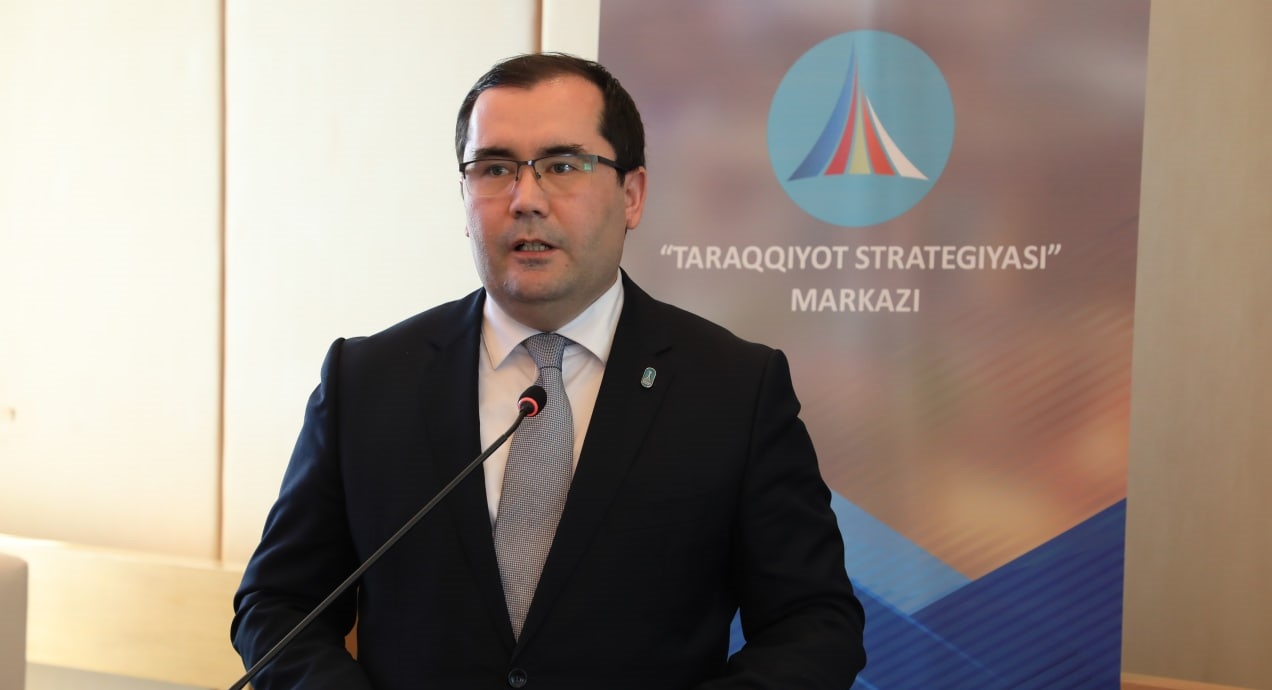
Eldor Tulyakov,
Executive Director of the Development Strategy Center
 English
 Русский
 О'zbek


At the video-sector meeting the chaired by the President of our country on the effectiveness of reforms, the progress of work in the regions, and the analysis of issues concerning the population, held on June 16 of this year, the main attention was paid to the fact that the reforms being carried out should be reflected in the life of every person. After all, this is deemed to be an important factor in the development of the state.
Failure to ensure the execution of court decisions at the local level, irresponsibility of state organizations in handling appeals, and the fact that representative bodies engage in mere deception rather than oversight reduce public trust in the state and reforms. Therefore, at the meeting, it was decided to establish a new system for strengthening executive discipline and working with the problems of the population.
From now on, the Accounts Chamber will be responsible for enforcement discipline, and its powers will be expanded. It will be studied not only how correctly the allocated funds were spent, but also how effective the expenditures were and how satisfied the population was with the results.
The powers of district khokims have been expanded. The President emphasized that listening to the concerns of the population and creating conditions for them is the main task of leaders, stating: “We must not forget that behind every appeal lies the fate of a person, his pain and hope. It is our duty to live the people's aspirations.”
This is clear evidence that at the centre of the reforms is the individual, his/her life, dreams, and living conditions.
From now on, district khokims will begin their work every day by listening to the problems and concerns of the population, and will not postpone today's problems. They will resolve the appeal on the spot. In this regard, the powers of the district khokim will be expanded.
The Head of State expressed great confidence in the leaders of the districts in order to timely solve the problems of the population on the ground and ensure the development of the region. It was noted that if the district level works effectively, then the entire state mechanism will work. Until now, district khokims do not have the main powers, such as distributing the staff of district organizations, appointing heads to positions, dismissing those who performed unsatisfactory work, or distributing funds. Now everything will change: each khokim will make an independent decision in his territory, each task and function will be reinforced with funds. Otherwise, the funds will not be increased, and the responsible manager will be dismissed. This is a great opportunity for capable leaders, but a signal for less capable ones.
The main goal of this system is to support entrepreneurship, reduce poverty, and pay serious attention to solving the problems of the population. If khokimiyats, instead of sending appeals to various agencies, pay more attention to practical activities, such as dialogue, finding solutions, and allocating resources, then sectors that benefit people, such as agriculture, animal husbandry, infrastructure, water, and modern agricultural technologies, will develop in mahallas. This, in turn, stimulates entrepreneurship, provides employment for the population, and leads to economic stability.
The people must witness the results of systemic reforms. The tasks set at the meeting and the new management model are measures aimed at changing the lives of the people - directly and indirectly. From now on, the most effective leaders and systems will be encouraged, and the irresponsible will be held accountable. This means a fair approach to the people. The President has repeatedly emphasized the need to address the interests of the population, human dignity, and the problems of the population as the main issue. The effectiveness of these new approaches, reforms, and control mechanisms will be measured by improving the living standards of the population and increasing trust in the state. Therefore, from now on, reforms should be reflected in every mahalla, in every home, in the life of every person, and the principle of “For human dignity” should become the main criterion of state policy.
Eldor Tulyakov,
Executive Director of the Development Strategy Center