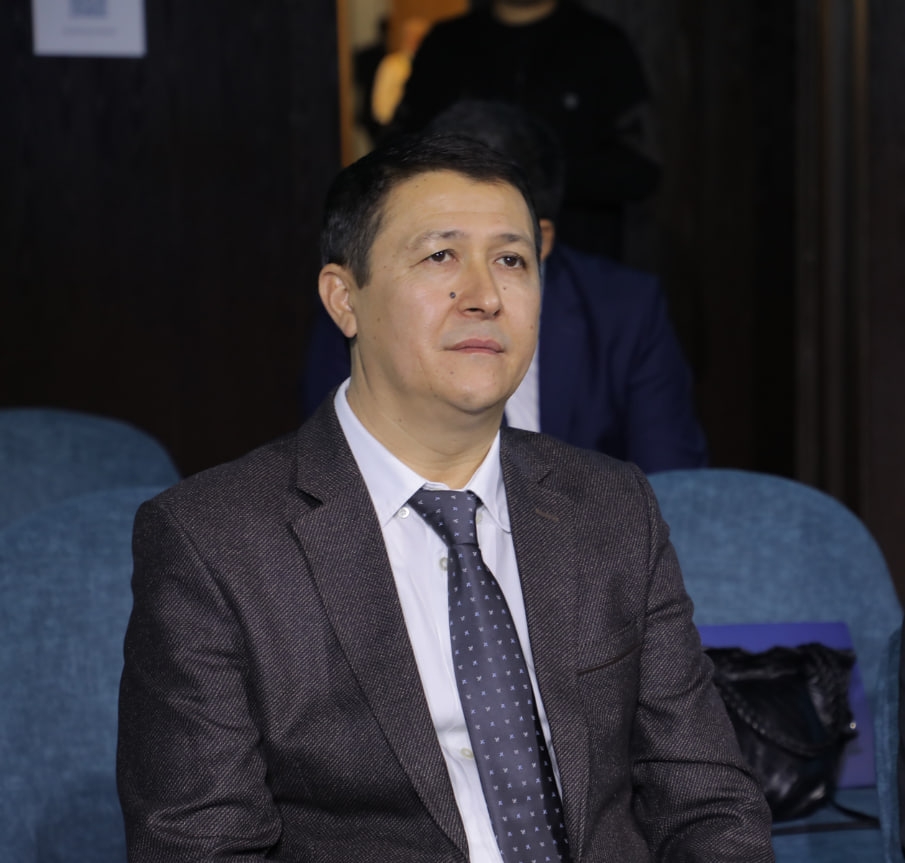
Jamshid Sharipov,
Head of Department of the Development Strategy Center
In foreign practice, patronage is considered а voluntary, gratuitous support for socially significant initiatives in the fields of culture, science and education, healthcare, ecology, sports and social protection. In the context of modernisation of the humanitarian sphere and increased civic participation, the development of patronage is becoming strategically important for the sustainable development of the Republic of Uzbekistan.
On 22 December 2023, at the meeting with representatives of culture and the arts, President of the Republic of Uzbekistan Shavkat Mirziyoyev noted the need to strengthen this movement in the country and emphasised the advisability of transforming the accumulated experience into a sustainable and effective mechanism for patronage. As an example, he cited the activities of the ‘Friends Club’, created in 2017 with the participation of “Uzbekneftegaz” and which has provided cultural institutions with assistance amounting to over 85 billion soums[1].
Problems in the development of patronage
Since 2019, the Law on Patronage (LRU-571 of October 16, 2019) has been in force, regulating relations between patrons, recipients of support and state bodies. The law enshrines the principles of voluntariness, transparency and gratuitousness, and defines the powers of the Ministry of Culture to coordinate these activities.
However, the current version of the Law does not contain a clearly defined mechanism for tax incentives for patrons, which significantly limits its practical implementation, in particular:
• The law allows for the provision of benefits and preferences, but there is uncertainty in their application – the provisions of the law are not integrated into the new edition of the Tax Code of the Republic of Uzbekistan;
• Limited tax deductions for individuals engaged in philanthropic activities. In particular, Article 378 of the Tax Code sets a deduction limit of 50% of the taxable income base of individuals when calculating personal income tax, which does not sufficiently encourage philanthropy.
At the same time, the limitation of patronage activities to the sphere of culture and art, as well as the low awareness of potential patrons about the opportunities and mechanisms of support, also influence the development of patronage activities.
International experience
International experience demonstrates successful examples of stimulating patronage through legislative and institutional mechanisms:
USA: The Internal Revenue Code provides deductions of up to 60% of taxable income for individuals who support charitable organisations. Transparency is ensured through mandatory registration of non-profit organisations and public reporting[2].
United Kingdom: The Gift Aid programme allows charitable organisations to reclaim tax on donations, increasing the amount of support by 25%. There are also tax benefits for patrons, including exemption from inheritance tax when transferring funds to charity[3].
France: The Patronage Act (2003) provides tax deductions of up to 66% for individuals and 60% for companies supporting cultural, educational and scientific projects. A transparent reporting system via digital platforms increases trust in patronage activities[4].
UAE: Philanthropy is actively supported by the state through foundations such as Dubai Cares, with tax breaks and simplified donation registration procedures[5].
In addition, in order to create favourable conditions for philanthropists, the UAE has introduced VAT exemption on donations of goods between charitable organisations and government agencies: contributions of up to 5 million dirhams per year are not taxed, which reduces the burden on funds and allows more money to be directed towards helping those in need and social projects[6].
Singapore: The most convenient and transparent conditions have been created for patrons; donations can be made directly through any bank’s mobile app by simply scanning a QR code or entering the organisation's unique number. The donor provides their tax identification number (e.g., NRIC/FIN/UEN), which ensures that they automatically receive a tax deduction[7].
Denmark: Philanthropy is supported through tax incentives: from 2025, citizens are able to receive a deduction for donations of up to 19,000 kroner per year, while the tax administration will refund approximately 26% of the amount contributed. This mechanism makes charity both socially significant and financially beneficial, stimulating the development of a culture of philanthropy and the expansion of socially useful initiatives[8].
Canada: Since 1995, the Greater Toronto Chapter of the Association of Fundraising Professionals (AFP) annually presents awards for achievements in philanthropy. These awards highlight the role of those who, through their example, set new standards in philanthropy and volunteerism[9].
These examples show that effective philanthropy requires clear tax incentives, transparent reporting, and public recognition.
Recommendations for the development of patronage activities
Considering that patronage in Uzbekistan has significant potential, especially in the context of recent reforms and the development of civil society, it is proposed to:
[1] https://t.me/Press_Secretary_Uz/3675
[2] https://www.irs.gov/pub/irs-prior/p526--2023.pdf
[3] https://www.nptuk.org/philanthropic-resources/giving-perspectives/what-is-gift-aid/
[4] https://www.altertax-avocats.com/en/patronage-and-taxes-how-to-benefit-from-a-tax-reduction-to-support-causes-close-to-your-heart/
[5] https://u.ae/en/information-and-services/charity-and-humanitarian-work/ways-of-doing-charity-in-the-uae
[6] https://www.tasshamjit.com/uae-revises-vat-law-introducing-new-tax-exemptions-to-boost-investment-and-charitable-activities/
[7] https://www.sgh.com.sg/giving/make-a-gift
[8] https://skat.dk/borger/fradrag/fradrag-for-gaver-og-bidrag-til-velgoerende-foreninger
[9] https://afptoronto.org/philanthropy-awards/
 English
 Русский
 О'zbek


