From October 20 to 23, the Development Strategy Center is conducting field assessments in Tashkent Region to review progress in implementing the goals and objectives outlined in the Uzbekistan–2030 Strategy and relevant state programs. The assessments focus on achieved results, existing challenges, and measures being taken to address them.
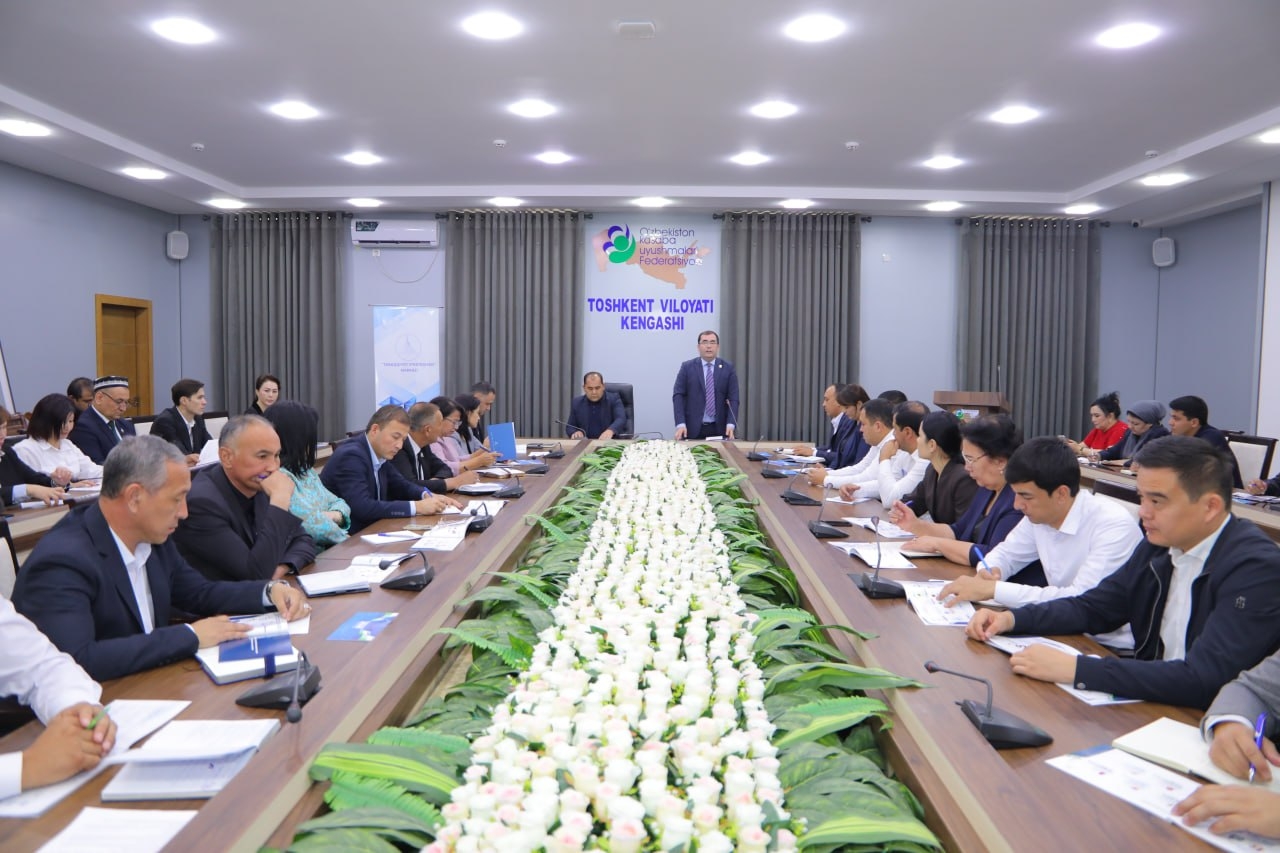
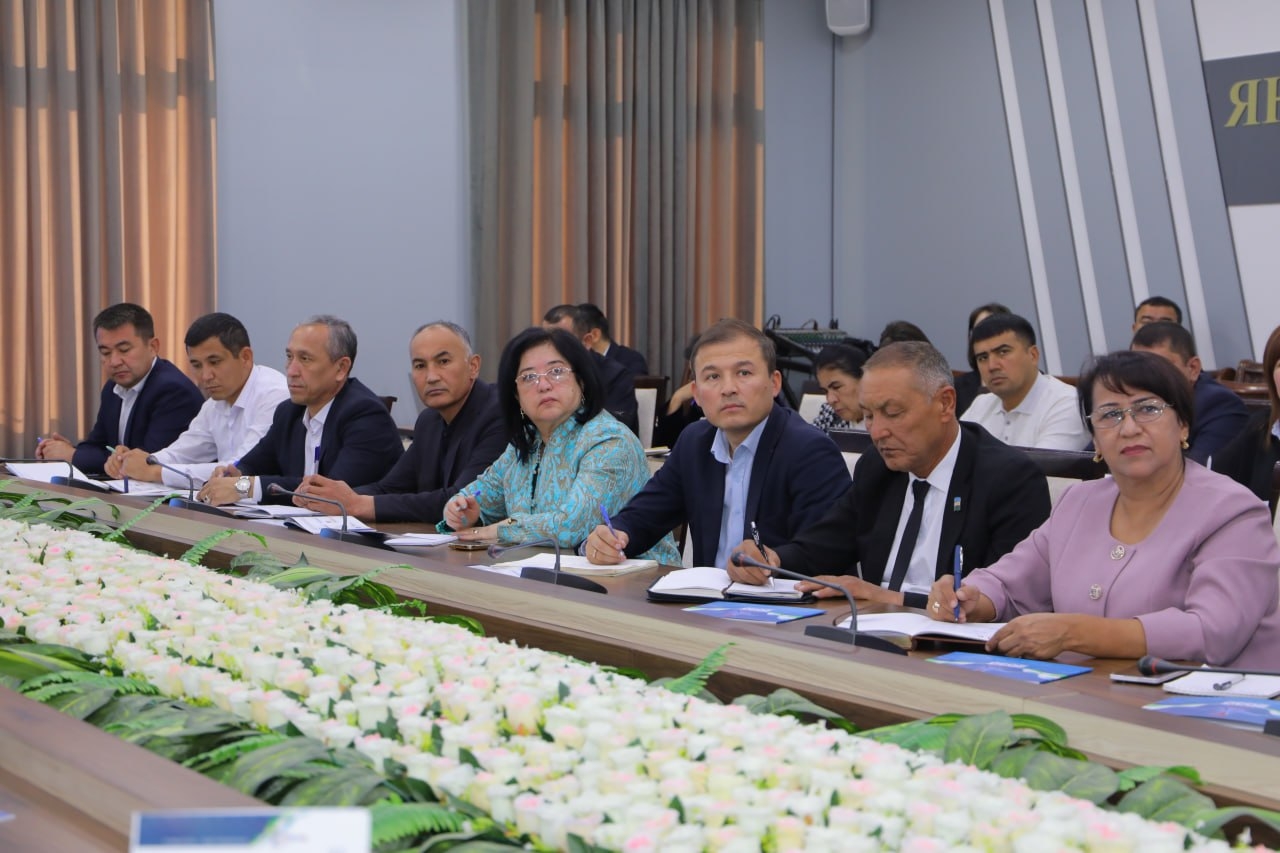
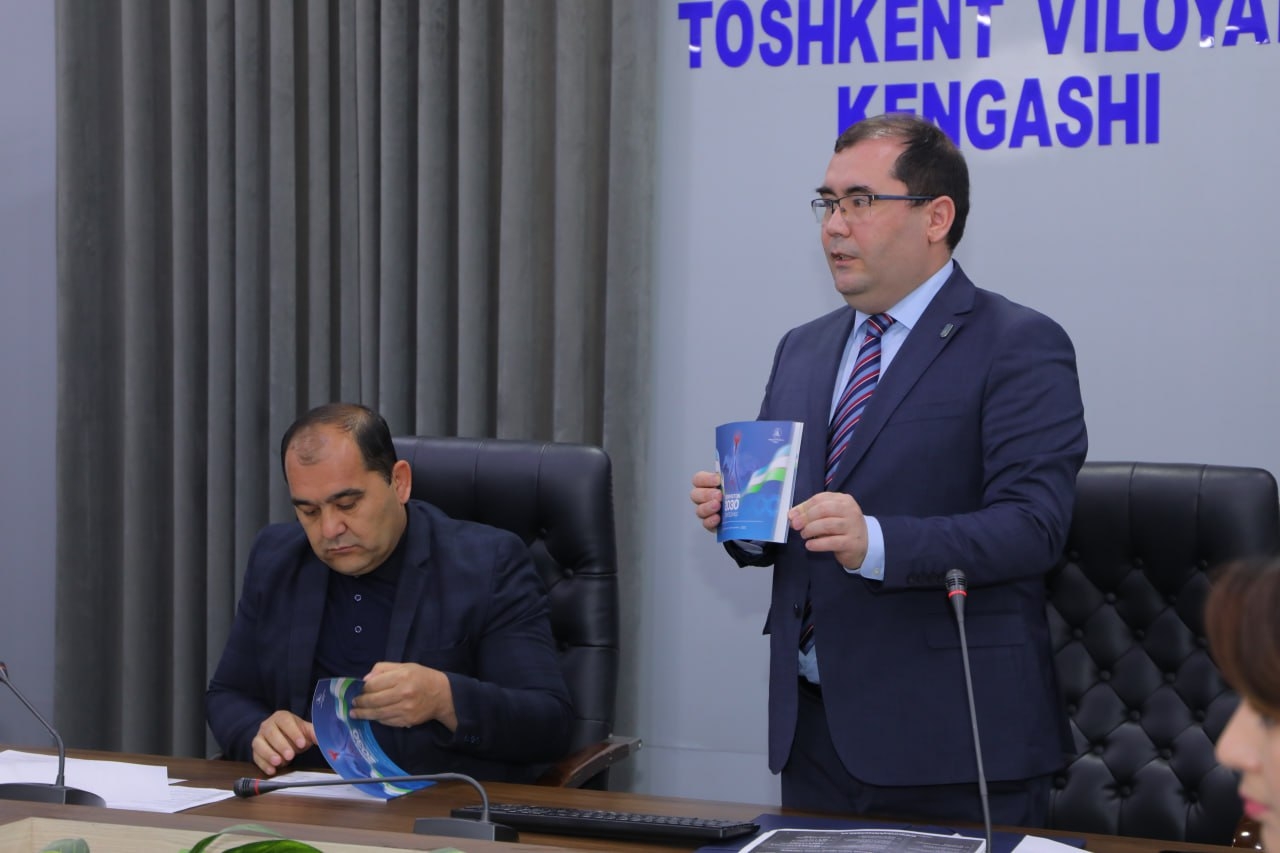
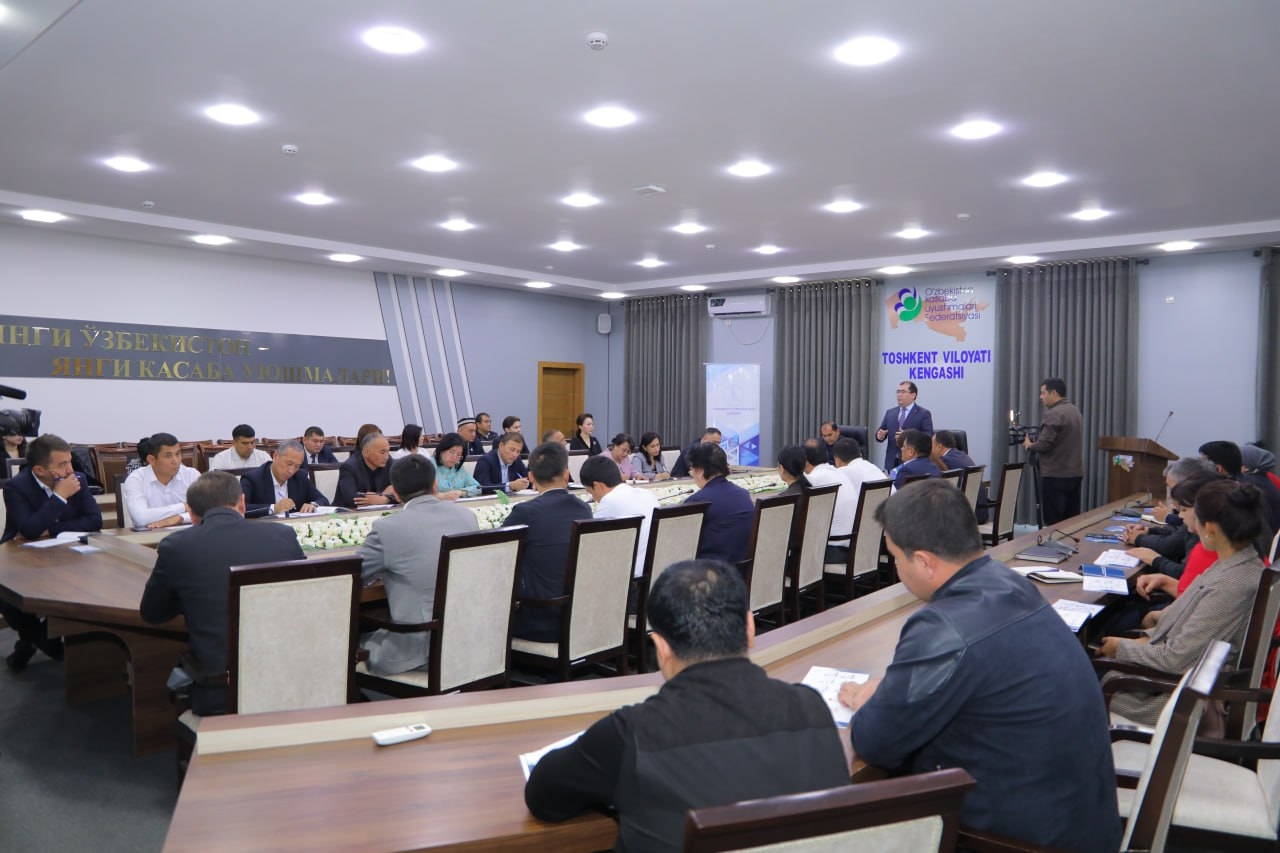
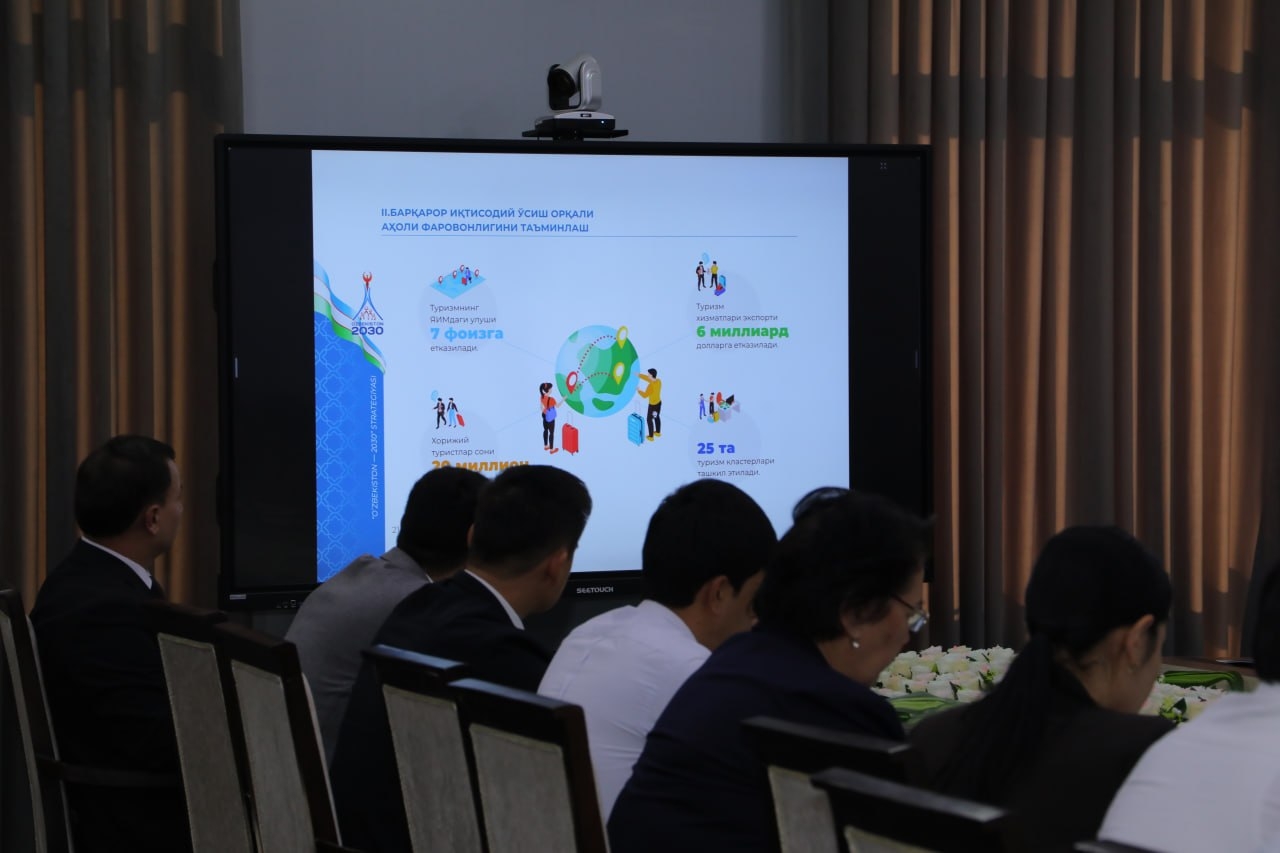
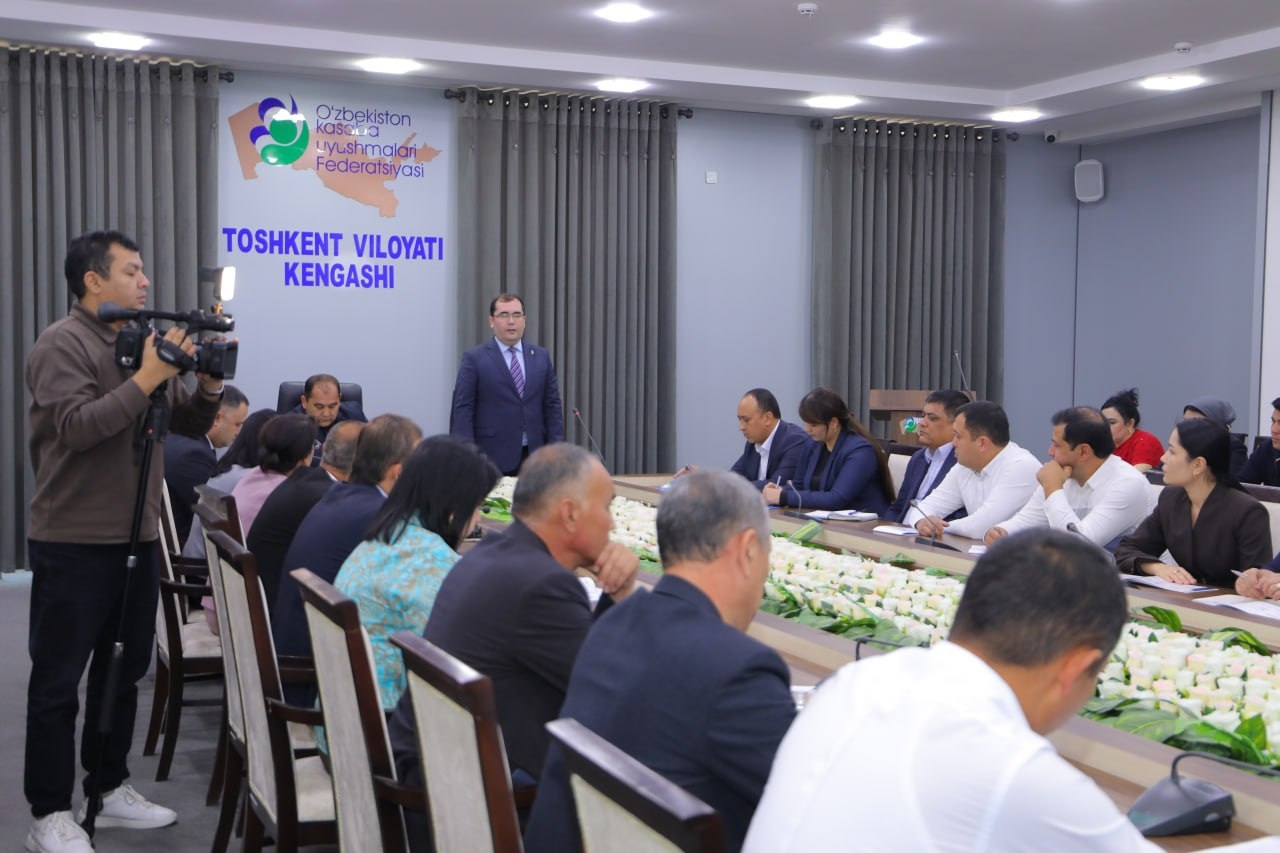
As part of these activities, a roundtable discussion was held in the city of Nurafshan, focusing on the key objectives and priorities of the Uzbekistan–2030 Strategy, strengthening the accountability of responsible institutions, expanding the participation of civil society organizations, and enhancing public oversight of strategy implementation.
The event was jointly organized by the Development Strategy Center, the Tashkent Regional Administration, and the Tashkent Regional Council of People's Deputies. Participants included Ilhomjon Arzikulov, Deputy Governor of Tashkent Region; Eldor Tulyakov, Executive Director of the Development Strategy Center; representatives of the regional Department of Justice, government and regional institutions, leaders of non-governmental non-profit organizations (NGOs), and specialists from partner organizations.
In his remarks, Eldor Tulyakov emphasized the importance of objectively assessing the implementation of strategic objectives at the regional level, ensuring measurable results in the work of responsible government agencies, and effectively utilizing the potential of local NGOs. He also highlighted the significance of cooperation between government institutions and civil society organizations in identifying systemic challenges, assessing the actual needs of the population, and developing evidence-based recommendations to address them.
During the roundtable, participants discussed the implementation of the priority objectives of the Uzbekistan–2030 Strategy across the regions, as well as the responsibilities of organizations tasked with implementing state programs. Particular attention was given to the socio-economic indicators of Tashkent Region, pressing issues affecting local communities, and ongoing efforts to resolve them.
It was emphasized that evaluating the effectiveness of reforms solely through statistical indicators is insufficient. Their practical impact should be reflected in improved living standards, better access to education and healthcare services, increased employment opportunities, and enhanced social infrastructure. Therefore, assessments of responsible institutions should also consider how implemented measures affect people's everyday lives.
The discussion also focused on strengthening public oversight of state program implementation and encouraging greater participation by regional NGOs. Participants explored the role of non-governmental organizations in monitoring local conditions, collecting and consolidating citizens' feedback, bringing social concerns to the attention of responsible authorities, and contributing to practical solutions.
Furthermore, the importance of ensuring openness and transparency in government activities, incorporating the findings of public monitoring into decision-making processes, and establishing effective cooperation with non-governmental organizations was highlighted.
Information Service
of the Development Strategy Center
 English
 Русский
 О'zbek


From October 20 to 23, the Development Strategy Center is conducting field assessments in Tashkent Region to review progress in implementing the goals and objectives outlined in the Uzbekistan–2030 Strategy and relevant state programs. The assessments focus on achieved results, existing challenges, and measures being taken to address them.
As part of these activities, a roundtable discussion was held in the city of Nurafshan, focusing on the key objectives and priorities of the Uzbekistan–2030 Strategy, strengthening the accountability of responsible institutions, expanding the participation of civil society organizations, and enhancing public oversight of strategy implementation.
The event was jointly organized by the Development Strategy Center, the Tashkent Regional Administration, and the Tashkent Regional Council of People's Deputies. Participants included Ilhomjon Arzikulov, Deputy Governor of Tashkent Region; Eldor Tulyakov, Executive Director of the Development Strategy Center; representatives of the regional Department of Justice, government and regional institutions, leaders of non-governmental non-profit organizations (NGOs), and specialists from partner organizations.
In his remarks, Eldor Tulyakov emphasized the importance of objectively assessing the implementation of strategic objectives at the regional level, ensuring measurable results in the work of responsible government agencies, and effectively utilizing the potential of local NGOs. He also highlighted the significance of cooperation between government institutions and civil society organizations in identifying systemic challenges, assessing the actual needs of the population, and developing evidence-based recommendations to address them.
During the roundtable, participants discussed the implementation of the priority objectives of the Uzbekistan–2030 Strategy across the regions, as well as the responsibilities of organizations tasked with implementing state programs. Particular attention was given to the socio-economic indicators of Tashkent Region, pressing issues affecting local communities, and ongoing efforts to resolve them.
It was emphasized that evaluating the effectiveness of reforms solely through statistical indicators is insufficient. Their practical impact should be reflected in improved living standards, better access to education and healthcare services, increased employment opportunities, and enhanced social infrastructure. Therefore, assessments of responsible institutions should also consider how implemented measures affect people's everyday lives.
The discussion also focused on strengthening public oversight of state program implementation and encouraging greater participation by regional NGOs. Participants explored the role of non-governmental organizations in monitoring local conditions, collecting and consolidating citizens' feedback, bringing social concerns to the attention of responsible authorities, and contributing to practical solutions.
Furthermore, the importance of ensuring openness and transparency in government activities, incorporating the findings of public monitoring into decision-making processes, and establishing effective cooperation with non-governmental organizations was highlighted.
Information Service
of the Development Strategy Center