The practical outcomes of the goals outlined in the Uzbekistan–2030 Strategy are reflected in the creation of new jobs, improved living conditions for the population, and higher-quality public services. Ongoing assessments in Tashkent Region are focusing on how reforms in these areas are being implemented at the local level.
To this end, Eldor Tulyakov, Executive Director of the Development Strategy Center, visited a manufacturing enterprise and a healthcare facility in the city of Nurafshan to review ongoing efforts to promote employment, create new jobs, and improve the quality of medical services.
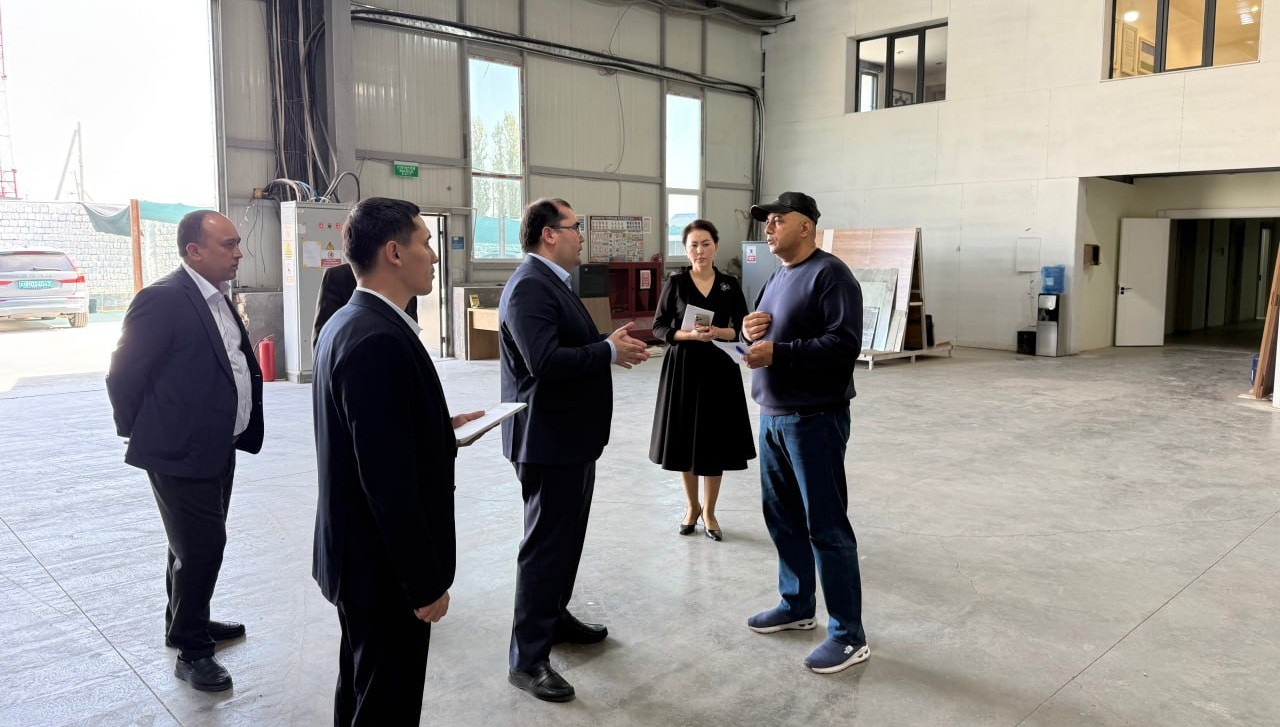
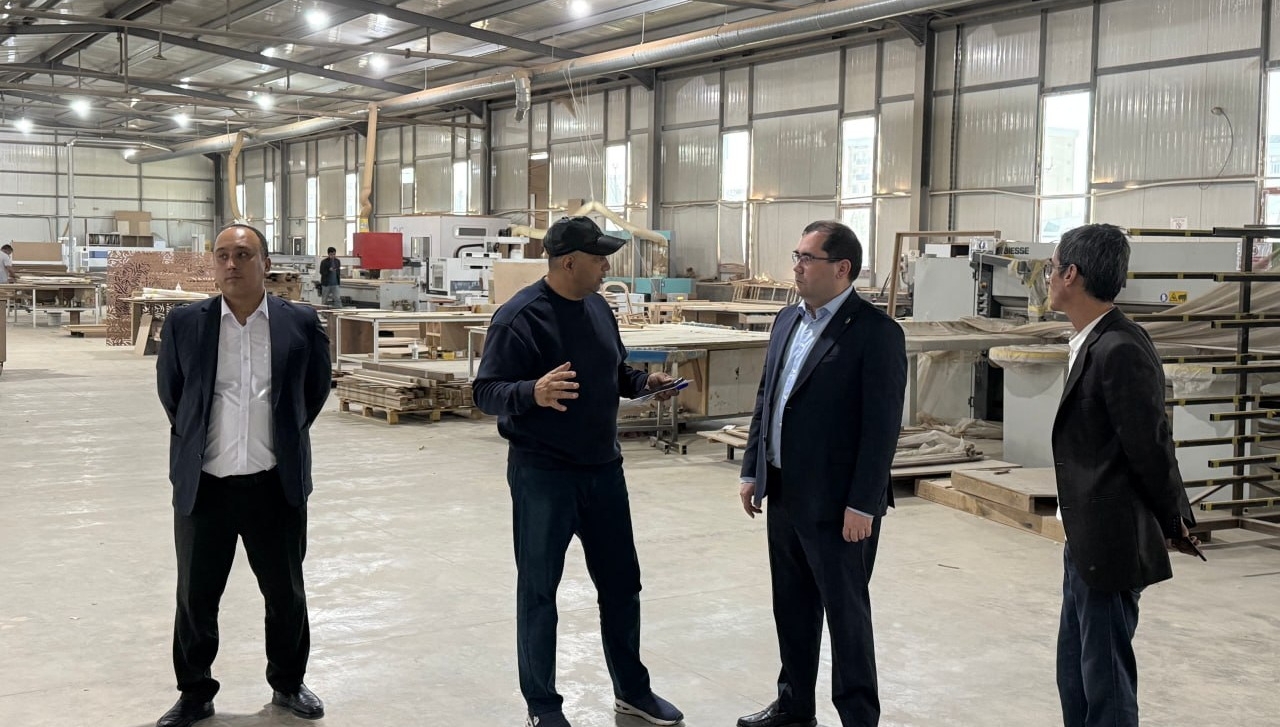
In particular, during his visit to ESA Yapi Pazarlama LLC, a Turkish furniture manufacturing enterprise that began operations in 2026, he examined production processes, working conditions for employees, and the company's contribution to employment opportunities for local residents.
According to information provided during the visit, the enterprise currently employs 150 people, including 125 citizens of Uzbekistan. Work is also underway on the Samarkand–Bukhara project, which is expected to generate additional employment opportunities upon implementation.
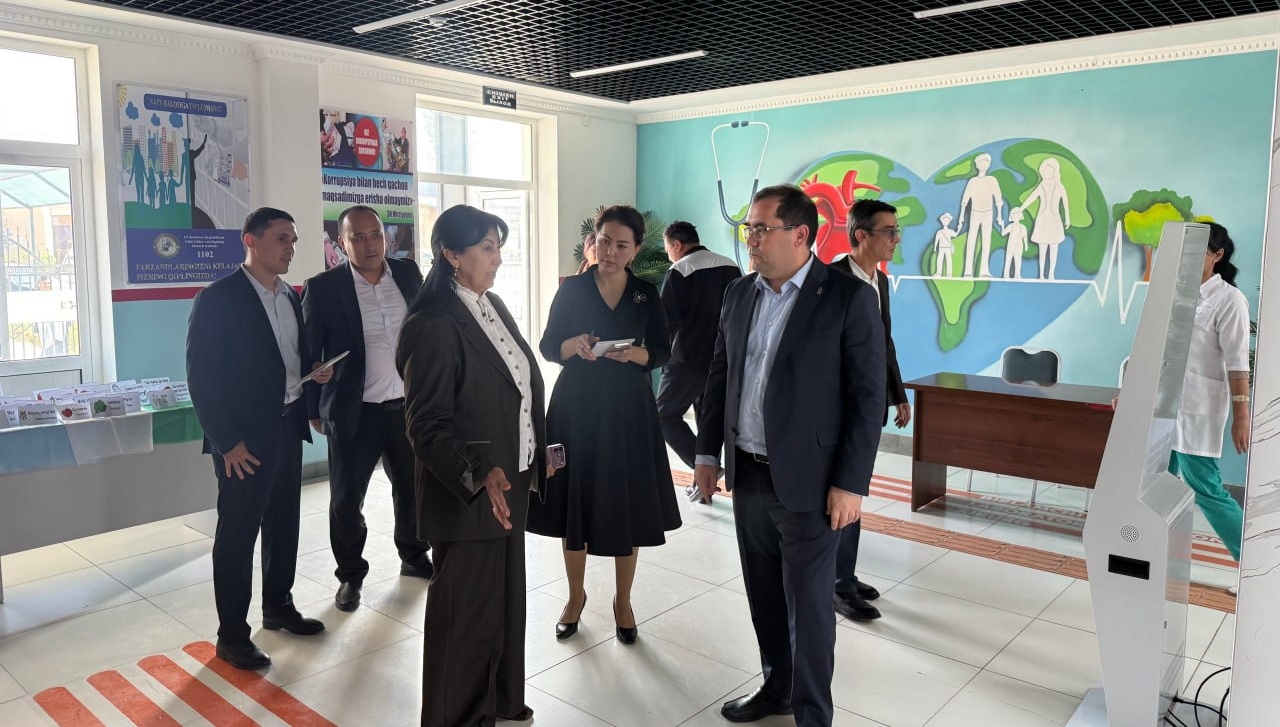
Eldor Tulyakov also visited Family Polyclinic No. 1 in Nurafshan, which provides healthcare services to approximately 57,000 residents. The visit focused on conditions created for patients, the organization of medical services, and ongoing digitalization efforts.
Particular attention was paid to the practical application of the DMED electronic medical information system, challenges encountered during its use, and opportunities for further improvement. Healthcare professionals shared their observations and proposals for addressing existing shortcomings.
These field assessments aim to evaluate the practical results of implementing the priority objectives of the Uzbekistan–2030 Strategy at the local level, identify existing challenges in promoting employment and improving healthcare services, and develop recommendations to address them.
Press Service of the
Development Strategy Center
 English
 Русский
 О'zbek



The practical outcomes of the goals outlined in the Uzbekistan–2030 Strategy are reflected in the creation of new jobs, improved living conditions for the population, and higher-quality public services. Ongoing assessments in Tashkent Region are focusing on how reforms in these areas are being implemented at the local level.
To this end, Eldor Tulyakov, Executive Director of the Development Strategy Center, visited a manufacturing enterprise and a healthcare facility in the city of Nurafshan to review ongoing efforts to promote employment, create new jobs, and improve the quality of medical services.
In particular, during his visit to ESA Yapi Pazarlama LLC, a Turkish furniture manufacturing enterprise that began operations in 2026, he examined production processes, working conditions for employees, and the company's contribution to employment opportunities for local residents.
According to information provided during the visit, the enterprise currently employs 150 people, including 125 citizens of Uzbekistan. Work is also underway on the Samarkand–Bukhara project, which is expected to generate additional employment opportunities upon implementation.
Eldor Tulyakov also visited Family Polyclinic No. 1 in Nurafshan, which provides healthcare services to approximately 57,000 residents. The visit focused on conditions created for patients, the organization of medical services, and ongoing digitalization efforts.
Particular attention was paid to the practical application of the DMED electronic medical information system, challenges encountered during its use, and opportunities for further improvement. Healthcare professionals shared their observations and proposals for addressing existing shortcomings.
These field assessments aim to evaluate the practical results of implementing the priority objectives of the Uzbekistan–2030 Strategy at the local level, identify existing challenges in promoting employment and improving healthcare services, and develop recommendations to address them.
Press Service of the
Development Strategy Center