In order to ensure the implementation of paragraph 218 of the State Program "Year of Youth Support and Public Health" on March 3 this year, the Cabinet of Ministers adopted a resolution "On measures to strengthen the protection of tangible cultural heritage sites and UNESCO World Heritage Sites." This paragraph defines the tasks related to the adoption of a program to ensure the accounting, storage and protection of cultural heritage sites.
This Resolution is significant because it is also aimed at implementation of the tasks set by the Resolution of the President of the Republic of Uzbekistan dated May 26, 2020 "On measures to improve the activities of the Ministry of Culture of the Republic of Uzbekistan" by the President in his Address to the Oliy Majlis of December 29, 2020.
In accordance with the Resolution, the standard structures of the Department of Cultural Heritage under the Ministry of Culture and the central office of the department, the Republic of Karakalpakstan, regions and the city of Tashkent were approved.
In addition to the structures of the department and its territorial divisions, there is foreseen to create 14 staffing positions of chief specialists and leading specialists of “Bukhara”, “Samarkand”, “Ichan Kala”, “Sarmishsay”, “Shahrisabz”, “Termez” and “Kokand” state museum-reserves through optimization of staff schedules.
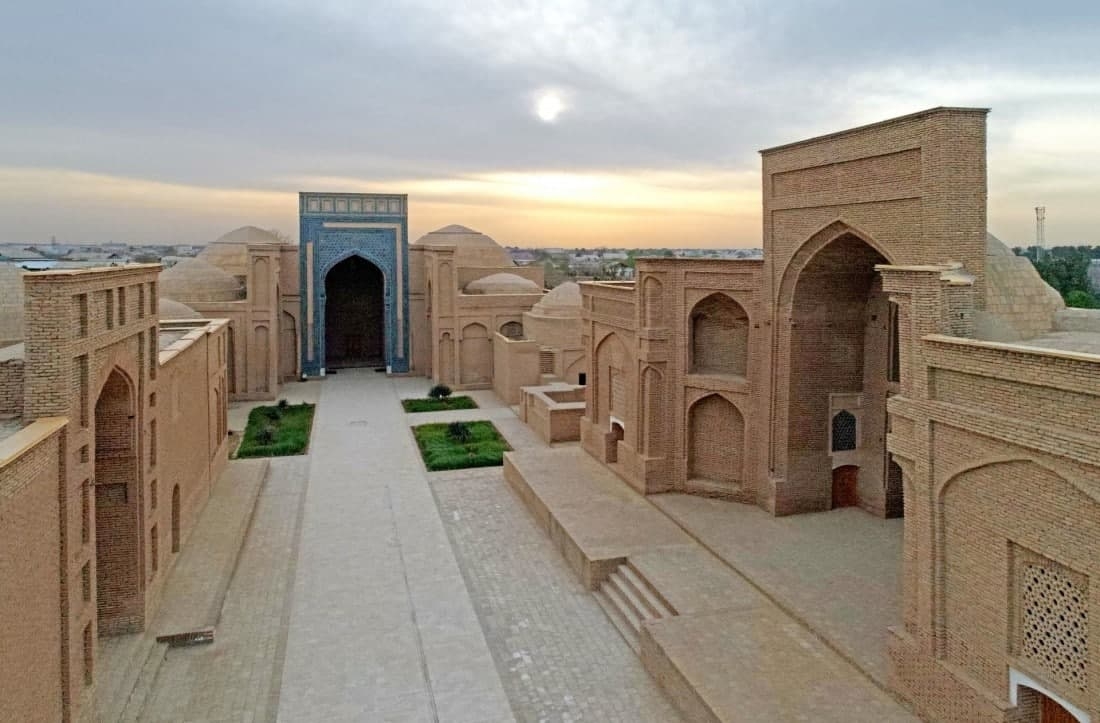
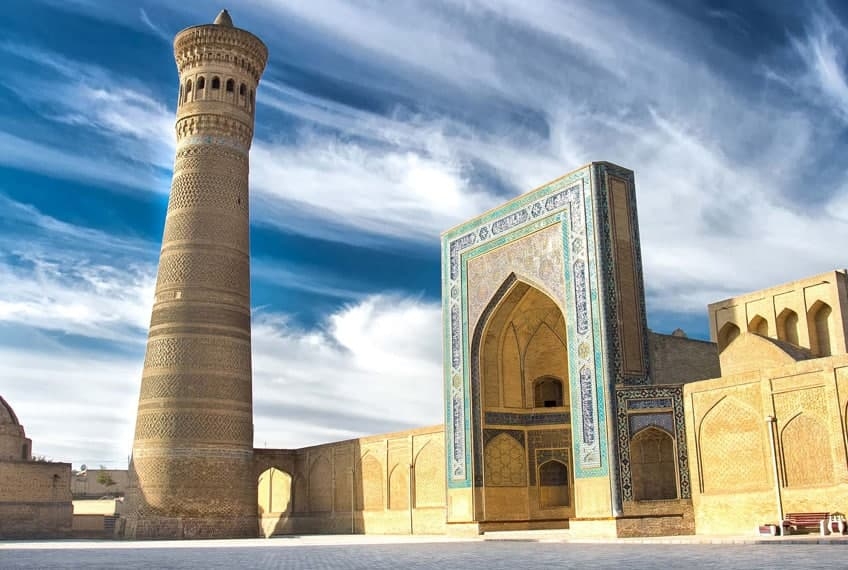
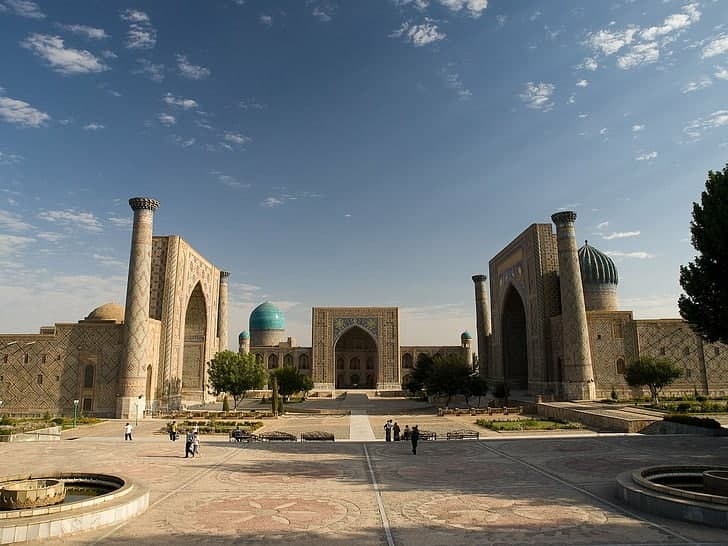
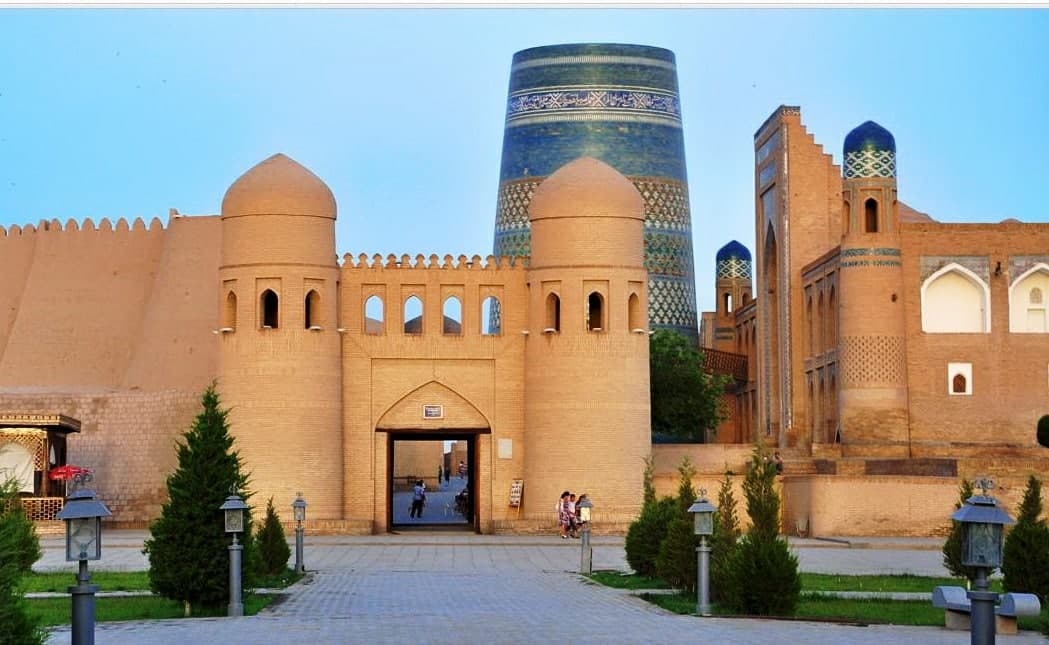
The resolution approved the boundaries of the protected areas of “Bukhara”, “Samarkand”, “Ichan Qala”, “Sarmishsay”, “Shahrisabz”, “Termez” and “Kokand” state museum-reserves.
Also, there is foreseen, that until March 1, 2022, the Ministry of Culture together with the Ministry of Construction, the Cadastre Agency under the State Tax Committee, the Academy of Sciences, the Council of Ministers of the Republic of Karakalpakstan, regional and Tashkent city khokimiyats at the expense of local budgets and other sources not prohibited by law should perform the following tasks related to:
–identification of real estate objects of historical, scientific, artistic or special cultural value on a spot-by-site basis, conducting historical and cultural expertise on a new object and taking measures for their state protection, performing repeated historical and cultural expertise of all real estate objects of tangible cultural heritage and submission in prescribed manner to the Cabinet of Ministers for re-formulation and approval of the national list of real estate objects of tangible cultural heritage.
At the same time, the Resolution stipulates that the lands in the protected areas of state museum-reserves will remain at the disposal of landowners, land users and tenants located in these areas.
The resolution also stipulates that state bodies and other legal entities and individuals who own and use the objects of tangible cultural heritage should ensure performing the following activities on the basis of appropriate permits and licenses, in the prescribed manner:
– support scientific and scientific-technical research of real estate objects of tangible cultural heritage, development of designs of protected areas of tangible cultural heritage, carrying out of works on preservation of real estate objects of tangible cultural heritage on the basis of appropriate permits and licenses and other measures; the condition that they do so in the prescribed manner.
In addition to being a unique, rich spiritual treasure of our people, the objects of material and cultural heritage play an important role in further enhancing the tourism potential of our country. That is why it is important to protect them and pass them on to the next generation. This resolution is of particular importance as it serves similar purposes.
“Development Strategy” Center
Information service.
 English
 Русский
 О'zbek


In order to ensure the implementation of paragraph 218 of the State Program "Year of Youth Support and Public Health" on March 3 this year, the Cabinet of Ministers adopted a resolution "On measures to strengthen the protection of tangible cultural heritage sites and UNESCO World Heritage Sites." This paragraph defines the tasks related to the adoption of a program to ensure the accounting, storage and protection of cultural heritage sites.
This Resolution is significant because it is also aimed at implementation of the tasks set by the Resolution of the President of the Republic of Uzbekistan dated May 26, 2020 "On measures to improve the activities of the Ministry of Culture of the Republic of Uzbekistan" by the President in his Address to the Oliy Majlis of December 29, 2020.
In accordance with the Resolution, the standard structures of the Department of Cultural Heritage under the Ministry of Culture and the central office of the department, the Republic of Karakalpakstan, regions and the city of Tashkent were approved.
In addition to the structures of the department and its territorial divisions, there is foreseen to create 14 staffing positions of chief specialists and leading specialists of “Bukhara”, “Samarkand”, “Ichan Kala”, “Sarmishsay”, “Shahrisabz”, “Termez” and “Kokand” state museum-reserves through optimization of staff schedules.
The resolution approved the boundaries of the protected areas of “Bukhara”, “Samarkand”, “Ichan Qala”, “Sarmishsay”, “Shahrisabz”, “Termez” and “Kokand” state museum-reserves.
Also, there is foreseen, that until March 1, 2022, the Ministry of Culture together with the Ministry of Construction, the Cadastre Agency under the State Tax Committee, the Academy of Sciences, the Council of Ministers of the Republic of Karakalpakstan, regional and Tashkent city khokimiyats at the expense of local budgets and other sources not prohibited by law should perform the following tasks related to:
–identification of real estate objects of historical, scientific, artistic or special cultural value on a spot-by-site basis, conducting historical and cultural expertise on a new object and taking measures for their state protection, performing repeated historical and cultural expertise of all real estate objects of tangible cultural heritage and submission in prescribed manner to the Cabinet of Ministers for re-formulation and approval of the national list of real estate objects of tangible cultural heritage.
At the same time, the Resolution stipulates that the lands in the protected areas of state museum-reserves will remain at the disposal of landowners, land users and tenants located in these areas.
The resolution also stipulates that state bodies and other legal entities and individuals who own and use the objects of tangible cultural heritage should ensure performing the following activities on the basis of appropriate permits and licenses, in the prescribed manner:
– support scientific and scientific-technical research of real estate objects of tangible cultural heritage, development of designs of protected areas of tangible cultural heritage, carrying out of works on preservation of real estate objects of tangible cultural heritage on the basis of appropriate permits and licenses and other measures; the condition that they do so in the prescribed manner.
In addition to being a unique, rich spiritual treasure of our people, the objects of material and cultural heritage play an important role in further enhancing the tourism potential of our country. That is why it is important to protect them and pass them on to the next generation. This resolution is of particular importance as it serves similar purposes.
“Development Strategy” Center
Information service.