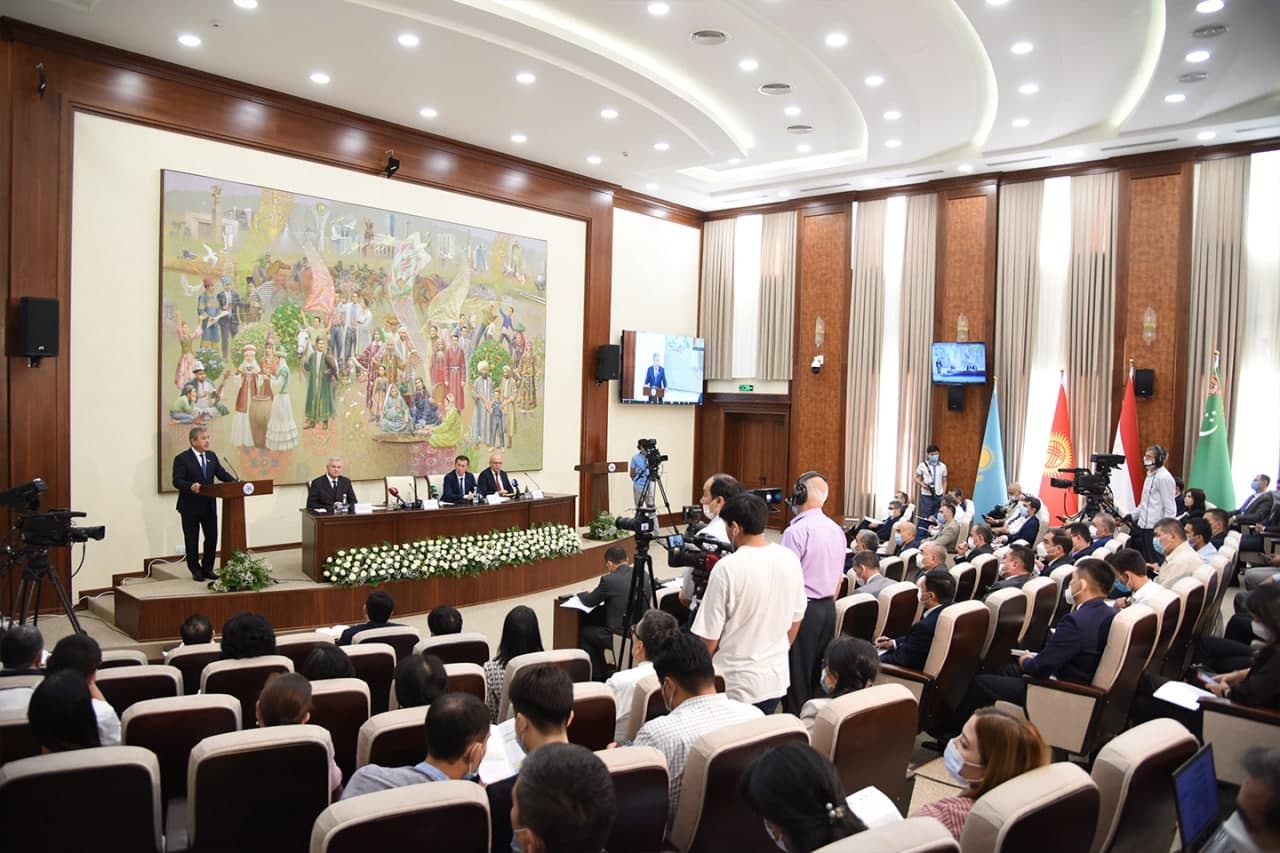
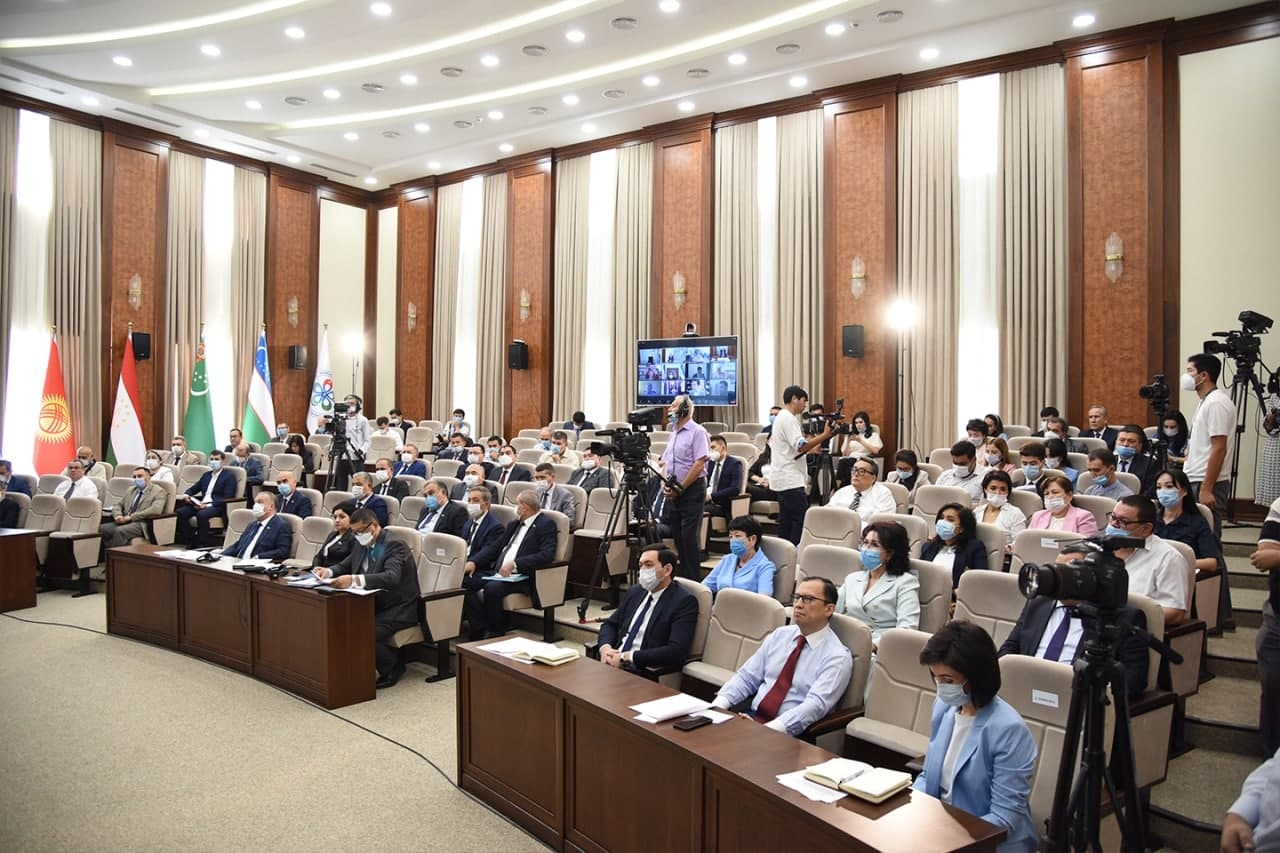
On August 18, the Senate of the Oliy Majlis of the Republic of Uzbekistan, the University of World Economy and Diplomacy, the International Institute of Central Asia and the Konrad Adenauer Foundation held a scientific-practical conference on "Interdependence of Central and South Asia: foundations, prospects, geostrategic significance."
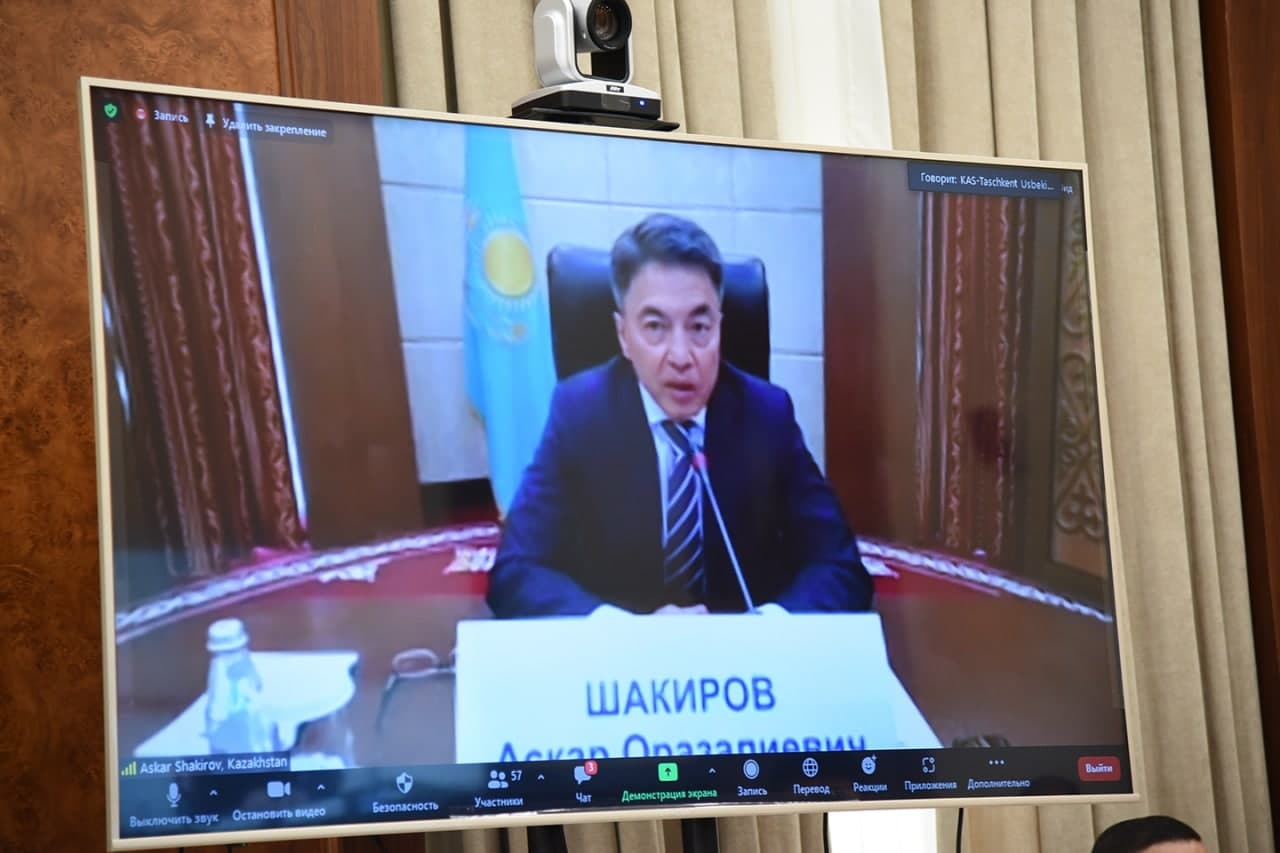
Askar Shakirov, Deputy Chairman of the Senate of the Parliament of the Republic of Kazakhstan, Eduard Soliev, Head of the CIS Research Centre of the Institute of World Economy and International Relations of the Russian Academy of Sciences, Ivan Safranchuk, Director of the Moscow State Institute of International Relations, Khalid Taymor Akram, Executive Director of the Pakistan Centre for Global and Strategic Studies, Muhammad Safi Sino, staff member of the Centre for Strategic Studies of the Ministry of Foreign Affairs of the Islamic Republic of Afghanistan, members of the Senate, deputies of the Legislative Chamber, officials of the Ministry of Foreign Affairs, experts and analysts of the Institute for Strategic and Interregional Studies under the President of Uzbekistan, experts and analytics of the Development Strategy Centre, media representatives attended the prestigious international conference.
The participants of the scientific-practical conference discussed in detail the outcomes of the international conference “Central and South Asia: Regional Interdependence. Threats and opportunities" initiated by President Shavkat Mirziyoyev in July this year and the implementation of the goals and objectives, as well as practical actions – being divided into four sections, such as: “A new model of trans-regional communication and modernization of transport and logistics infrastructure in Central and South Asia for sustainable development”, “Food, energy and water - security factors in Central and South Asia”, “Digital transformation - a new reality, regional cooperation opportunities and prospects" and "Expansion of trade, economic and investment cooperation between Central and South Asia as a key factor in long-term regional development".
In particular, Farrukh Khakimov, the Head of Department of the Development Strategy Centre, took part in the third section of the conference "Digital Transformation - a new reality, opportunities and prospects for regional cooperation" and expressed his views and suggestions.
— The global pandemic has highlighted the importance of digital transformation and digitization, accelerating these processes in a number of countries. This has been particularly evident in the areas of online services, education and health, and has proven how important digitalization is.
Therefore, in order to fully respond to today's global changes, it remains an urgent task to strengthen digital cooperation between the countries of the region in trade, transit, border crossing.
Speaking at the sections, the experts reiterated that the Tashkent Conference is directly related not only to the development of Central Asia and South Asia, at the same time it was noted that implementation of the new proposals and initiatives put forward by Uzbekistan is directly related to development of other countries of the world.
In particular, it noted, that the wide-ranging reforms, openness and renewal being observed in Uzbekistan's domestic policy are reflected in the country's foreign policy, that the policy of creating an atmosphere of peace, stability and security between the Central Asian states continues today with other countries in the region and international organizations. In particular, the Tashkent conference was attended by more than 250 influential representatives of more than 40 countries and international organizations.
The participants also stressed the need to develop clear positions and approaches to the processes taking place in Central Asia and South Asia, and to seek ways to help the suffering Afghan people build a peaceful life, using the resources of "people's diplomacy".
In conclusion, the experts noted that Uzbekistan is always ready for constructive and open dialogue to address the most pressing issues of the regional and global agenda, and emphasized that the foreign policy of New Uzbekistan is based on mutually beneficial and equal cooperation, mutual trust and respect of each other’s interests.
Development Strategy Centre
Information service
 English
 Русский
 О'zbek


On August 18, the Senate of the Oliy Majlis of the Republic of Uzbekistan, the University of World Economy and Diplomacy, the International Institute of Central Asia and the Konrad Adenauer Foundation held a scientific-practical conference on "Interdependence of Central and South Asia: foundations, prospects, geostrategic significance."
Askar Shakirov, Deputy Chairman of the Senate of the Parliament of the Republic of Kazakhstan, Eduard Soliev, Head of the CIS Research Centre of the Institute of World Economy and International Relations of the Russian Academy of Sciences, Ivan Safranchuk, Director of the Moscow State Institute of International Relations, Khalid Taymor Akram, Executive Director of the Pakistan Centre for Global and Strategic Studies, Muhammad Safi Sino, staff member of the Centre for Strategic Studies of the Ministry of Foreign Affairs of the Islamic Republic of Afghanistan, members of the Senate, deputies of the Legislative Chamber, officials of the Ministry of Foreign Affairs, experts and analysts of the Institute for Strategic and Interregional Studies under the President of Uzbekistan, experts and analytics of the Development Strategy Centre, media representatives attended the prestigious international conference.
The participants of the scientific-practical conference discussed in detail the outcomes of the international conference “Central and South Asia: Regional Interdependence. Threats and opportunities" initiated by President Shavkat Mirziyoyev in July this year and the implementation of the goals and objectives, as well as practical actions – being divided into four sections, such as: “A new model of trans-regional communication and modernization of transport and logistics infrastructure in Central and South Asia for sustainable development”, “Food, energy and water - security factors in Central and South Asia”, “Digital transformation - a new reality, regional cooperation opportunities and prospects" and "Expansion of trade, economic and investment cooperation between Central and South Asia as a key factor in long-term regional development".
In particular, Farrukh Khakimov, the Head of Department of the Development Strategy Centre, took part in the third section of the conference "Digital Transformation - a new reality, opportunities and prospects for regional cooperation" and expressed his views and suggestions.
— The global pandemic has highlighted the importance of digital transformation and digitization, accelerating these processes in a number of countries. This has been particularly evident in the areas of online services, education and health, and has proven how important digitalization is.
Therefore, in order to fully respond to today's global changes, it remains an urgent task to strengthen digital cooperation between the countries of the region in trade, transit, border crossing.
Speaking at the sections, the experts reiterated that the Tashkent Conference is directly related not only to the development of Central Asia and South Asia, at the same time it was noted that implementation of the new proposals and initiatives put forward by Uzbekistan is directly related to development of other countries of the world.
In particular, it noted, that the wide-ranging reforms, openness and renewal being observed in Uzbekistan's domestic policy are reflected in the country's foreign policy, that the policy of creating an atmosphere of peace, stability and security between the Central Asian states continues today with other countries in the region and international organizations. In particular, the Tashkent conference was attended by more than 250 influential representatives of more than 40 countries and international organizations.
The participants also stressed the need to develop clear positions and approaches to the processes taking place in Central Asia and South Asia, and to seek ways to help the suffering Afghan people build a peaceful life, using the resources of "people's diplomacy".
In conclusion, the experts noted that Uzbekistan is always ready for constructive and open dialogue to address the most pressing issues of the regional and global agenda, and emphasized that the foreign policy of New Uzbekistan is based on mutually beneficial and equal cooperation, mutual trust and respect of each other’s interests.
Development Strategy Centre
Information service