On June 27 of this year, the Development Strategy Center, together with the World Bank and the Regional Development Office for Central Asia of the UK Bureau for Foreign Affairs, Commonwealth and Development, organized a round table on the topic “Listening to the Citizens of Uzbekistan: Expanding the Economic Opportunities of Women in Uzbekistan.”
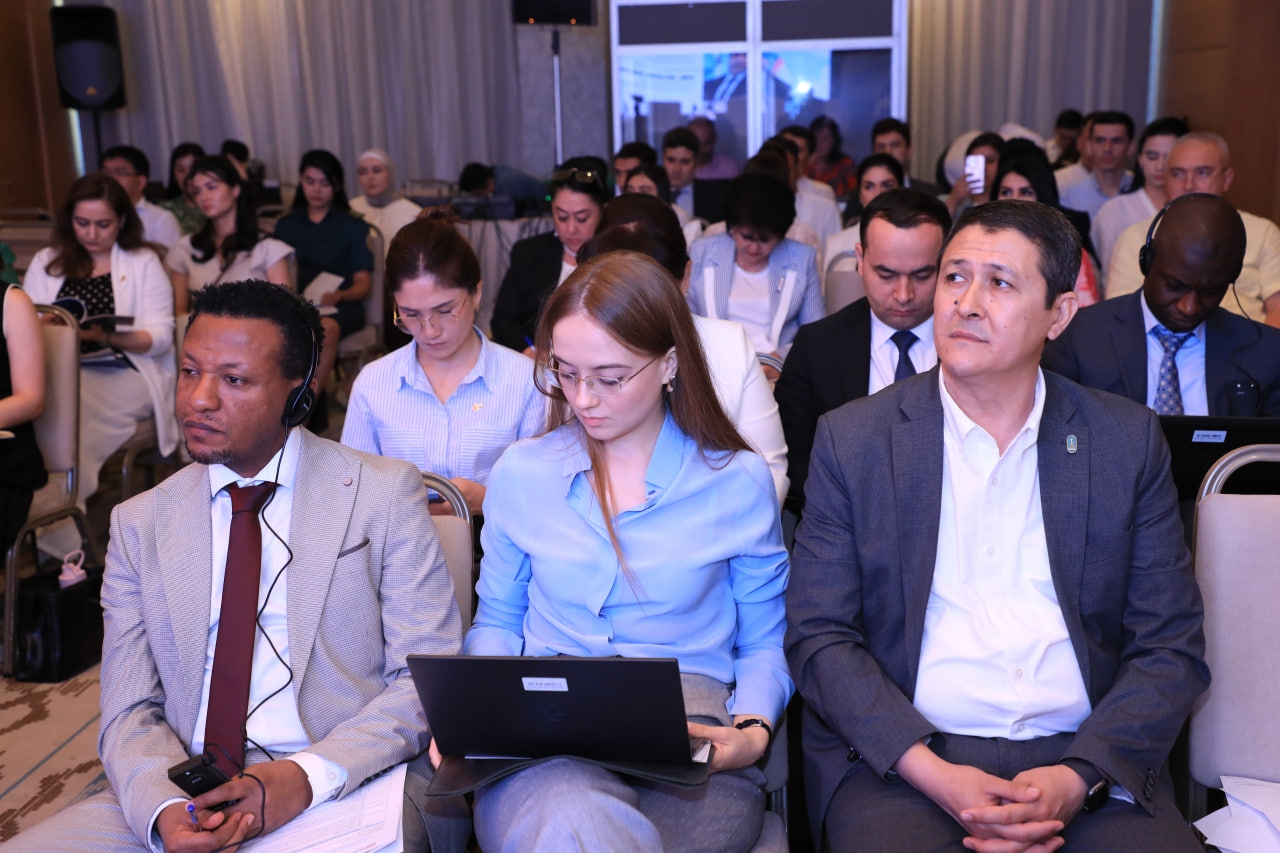
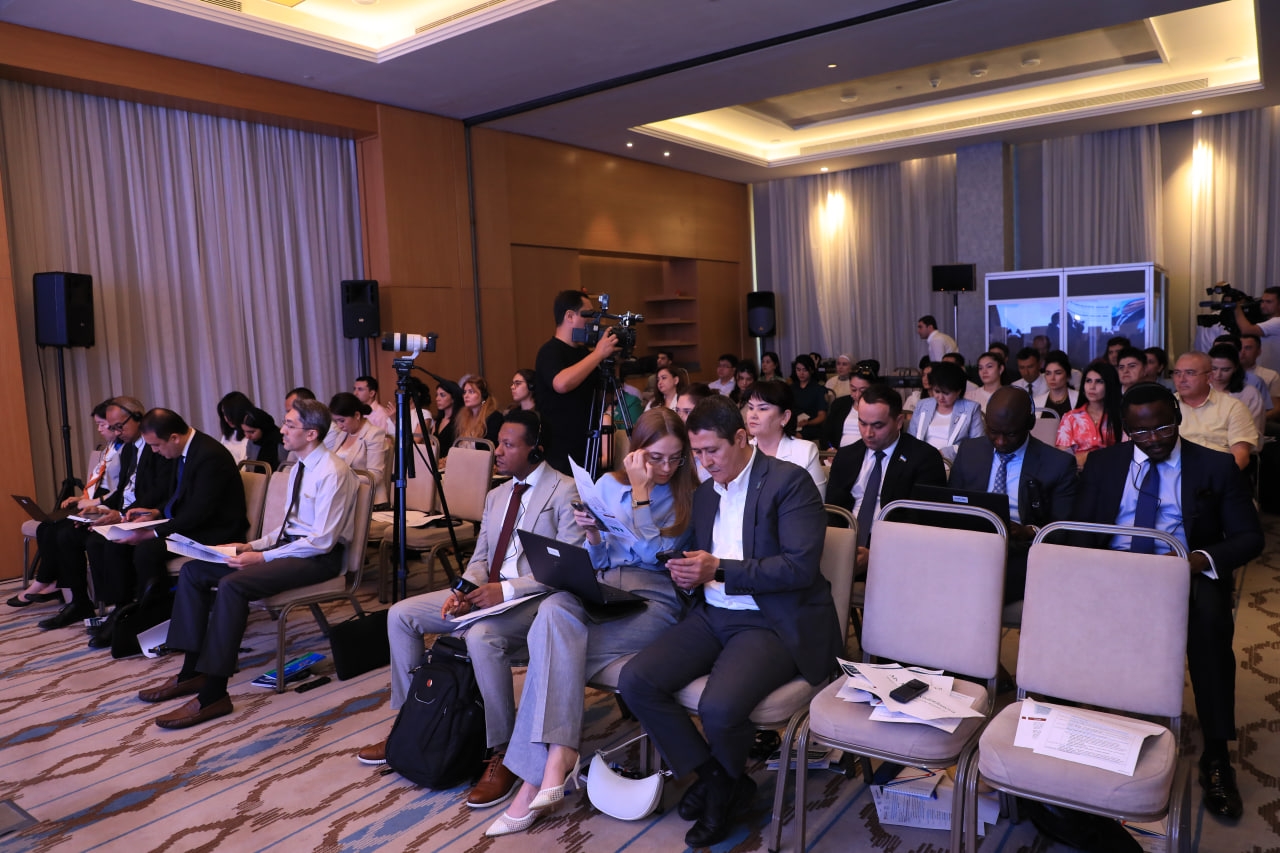
The event was attended by representatives of the Oliy Majlis of the Republic of Uzbekistan, relevant ministries and agencies, international organizations, the foreign diplomatic corps, analytical centres, local and international experts, civil society institutions, and the media.
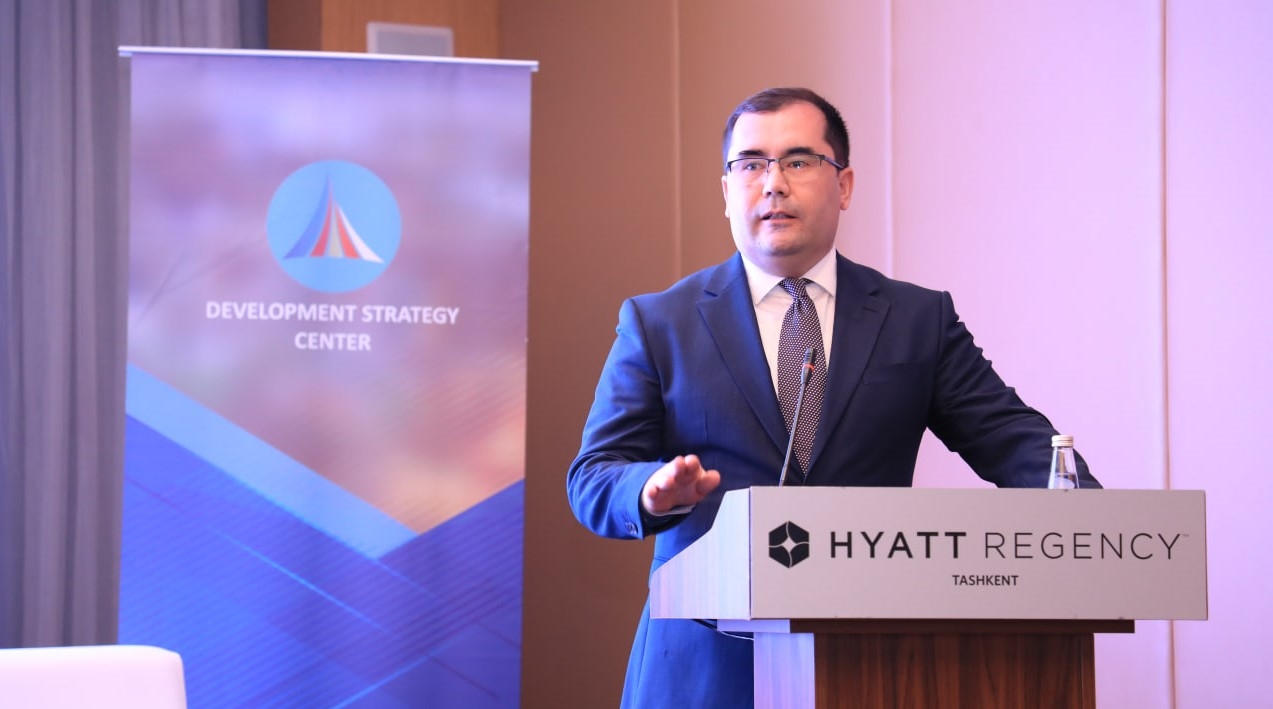
At the opening of the event, the Executive Director of the Development Strategy Center, Eldor Tulyakov, spoke about the results of the important reforms carried out in the recent years. It was also noted that in 2024 the volume of GDP reached $115 bn, the volume of GDP per capita reached $3,093, the volume of foreign investments reached almost $35 bn, the share of “Green Energy” increased by 16 percent, the number of preschool educational organizations reached 37 thousand, the coverage level reached 76.0 percent, the share of women in management reached 35 percent, the inflation rate reduced to 9.8 percent, and a single interactive national platform “Xotinqizlar.uz” was launched to study and systematically solve problems of women.
During the round table, the latest results of the World Bank's monthly survey “Listening to the Citizens of Uzbekistan” were presented. It should be noted that the survey is being conducted by the World Bank since 2020 within the framework of the Effective Governance for Economic Development (EGED) program, funded by the UK government.
According to the “Listening to the Citizens of Uzbekistan” (L2CU) survey results, collected by the World Bank in May 2025, the followings were noted:
- The population's perception of the overall economic situation in Uzbekistan remains stable and at a high level, and, meanwhile, as of May 2025, 87 percent of households reported improved economic conditions.
- Citizens' anxieties about job loss have significantly decreased since the beginning of 2025, while 33% of citizens concerned about job loss. However, people's concerns about job losses in various income categories indicate that they are still high among poor households. Note that: in May 2025, 46% of the lowest-income 20% of households are worried about losing their jobs, while in the richest 20% of households this figure is only 21%;
- The number of households with any migrants has increased from 8% to 15% since the beginning of 2025. The first reason is that international labour migration in Uzbekistan is seasonal, with the majority of migrants going to work abroad in spring and summer and returning to their homeland in winter. Secondly, government agencies continue to support organized labour migration through skills and language training and are actively working on diversifying labour migration routes to cover a wide range of economically developed countries;
- When analysing citizens’ opinions on energy tariff reform, according to the results of the L2CU survey, households are well informed about the 2025 tariff reform and social norm. However, they do not have complete information about compensation measures, while citizens’ awareness in this regard should be improved through a public campaign that delivers relevant messages to specific target groups of citizens. In addition, the L2CU survey showed that households are increasingly considering switching to energy-efficient devices to reduce electricity consumption. Here, it is possible to increase the desire of citizens by focusing on innovative messages;
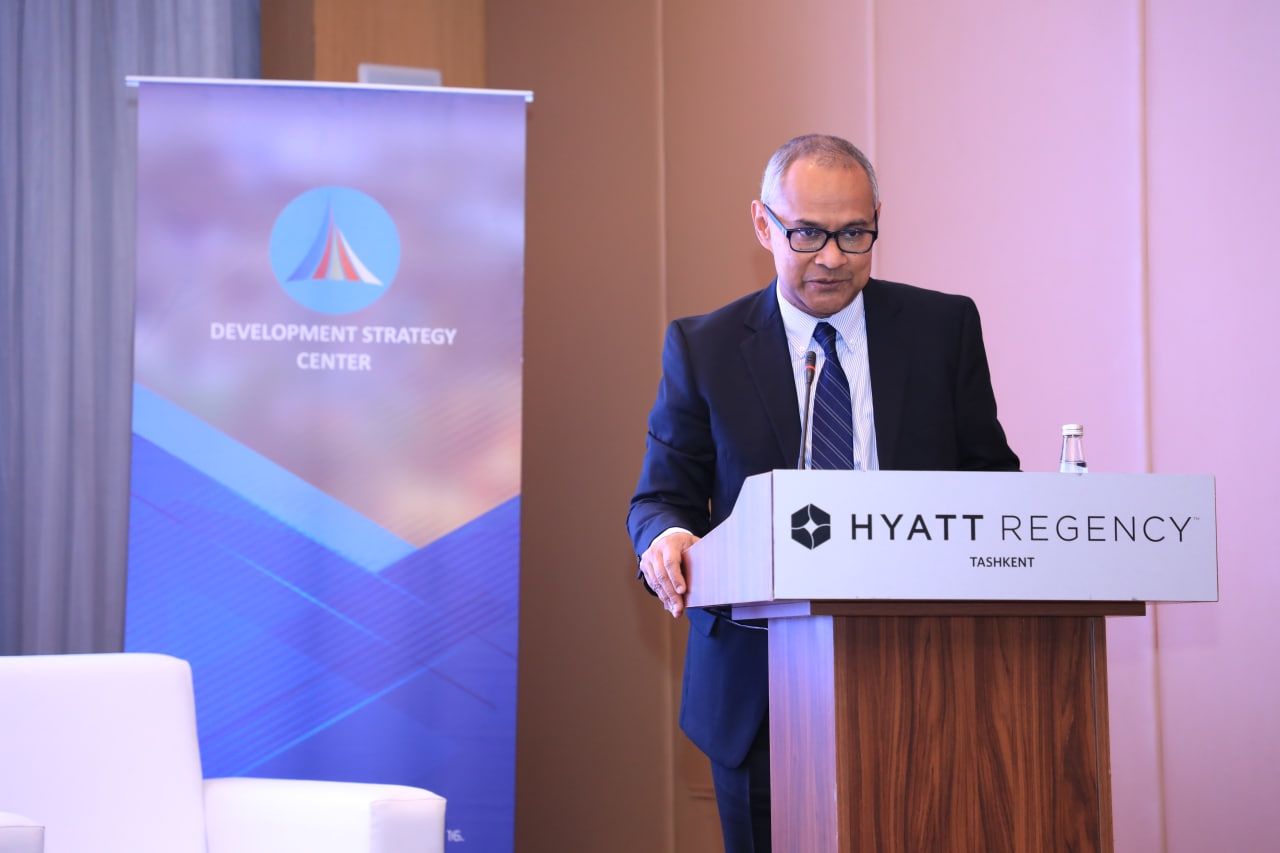
Another part of the event was dedicated to efforts aimed at expanding the economic opportunities of women in Uzbekistan. According to Dr Ambar Narayan, Practice Manager at the World Bank's Poverty and Equity Global Practice in Europe and Central Asia, Uzbekistan demonstrated significant progress in the World Bank’s Women, Business and Law Index in 2024. Also, the government is implementing additional measures on gender equality in the workplace this year. It also introduced norms on sexual violence and childcare leave into the Labour Code. We see that the country has set an example in this area, inspiring neighbours in Central Asia and beyond to take political and legal action to empower women in their countries.
It was noted that although significant political reforms have been carried out in Uzbekistan to promote gender equality, the effectiveness of their implementation needs to be improved.
During the event, the results of a recent study have been presented on awareness and implementation of the new Labour Code, approved by the World Bank in 2022 and effective as of April 30, 2023, from the perspective of private enterprises and citizens. Some findings include:
Awareness of the new Labour Code: Awareness of the 2023 Labour Code is significantly higher among enterprises (70%) than among citizens (30%), which indicates the need for efforts to raise awareness among citizens.
Gender equality in recruitment and employment: More than 90% of respondents (enterprises and citizens) with the same skills and qualifications confirm that women have the same opportunity to find work as men, and that women receive the same salary as men. However, citizens (16%) are more optimistic about the possibility of women reaching managerial positions than enterprises with such an opportunity (38%).
Recruitment announcements: Both citizens and enterprises confirm the presence of gender and age requirements when hiring. More than 50% of enterprises indicate gender preferences, and 48% of enterprises introduce age criteria at the workplace.
The participants also discussed the problems of expanding the economic opportunities of women in Uzbekistan during a panel discussion with representatives of the Senate of the Oliy Majlis, the Ministry of Employment and Poverty Reduction, the "Hamroh" and "Uzum" companies.
Development Strategy Center
Information Service
 English
 Русский
 О'zbek


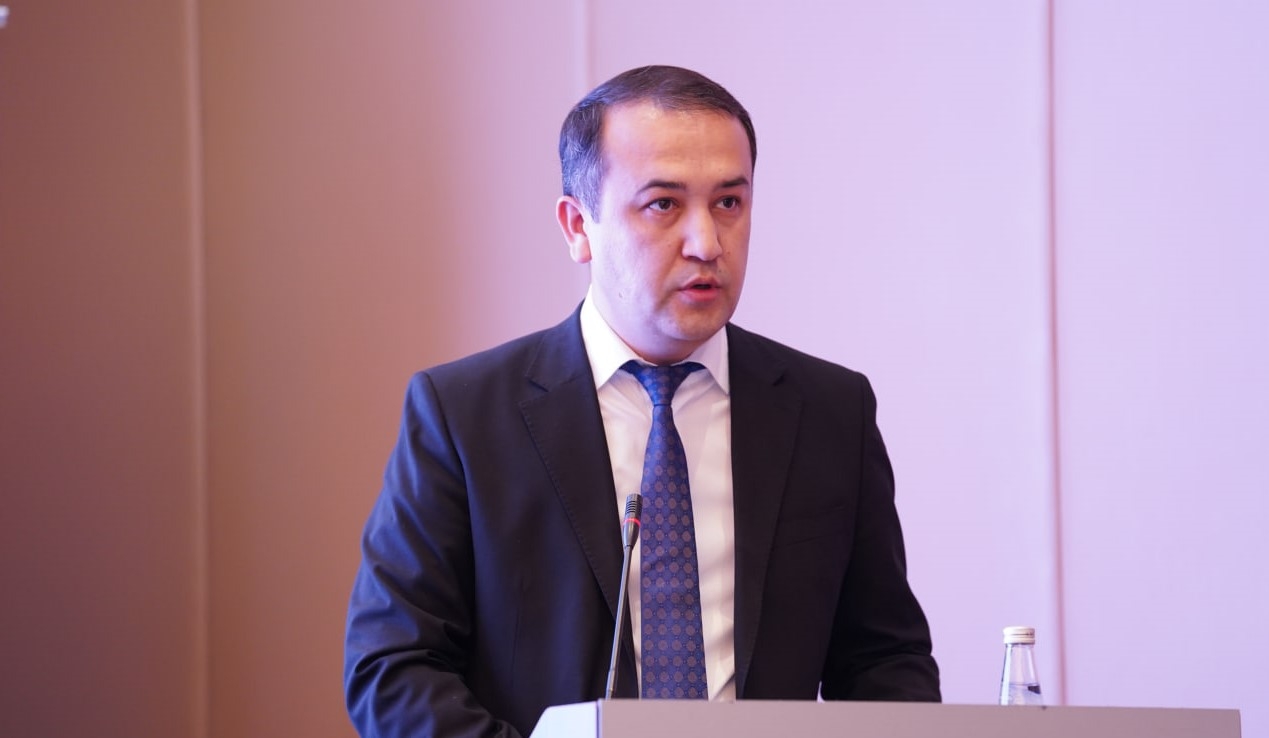
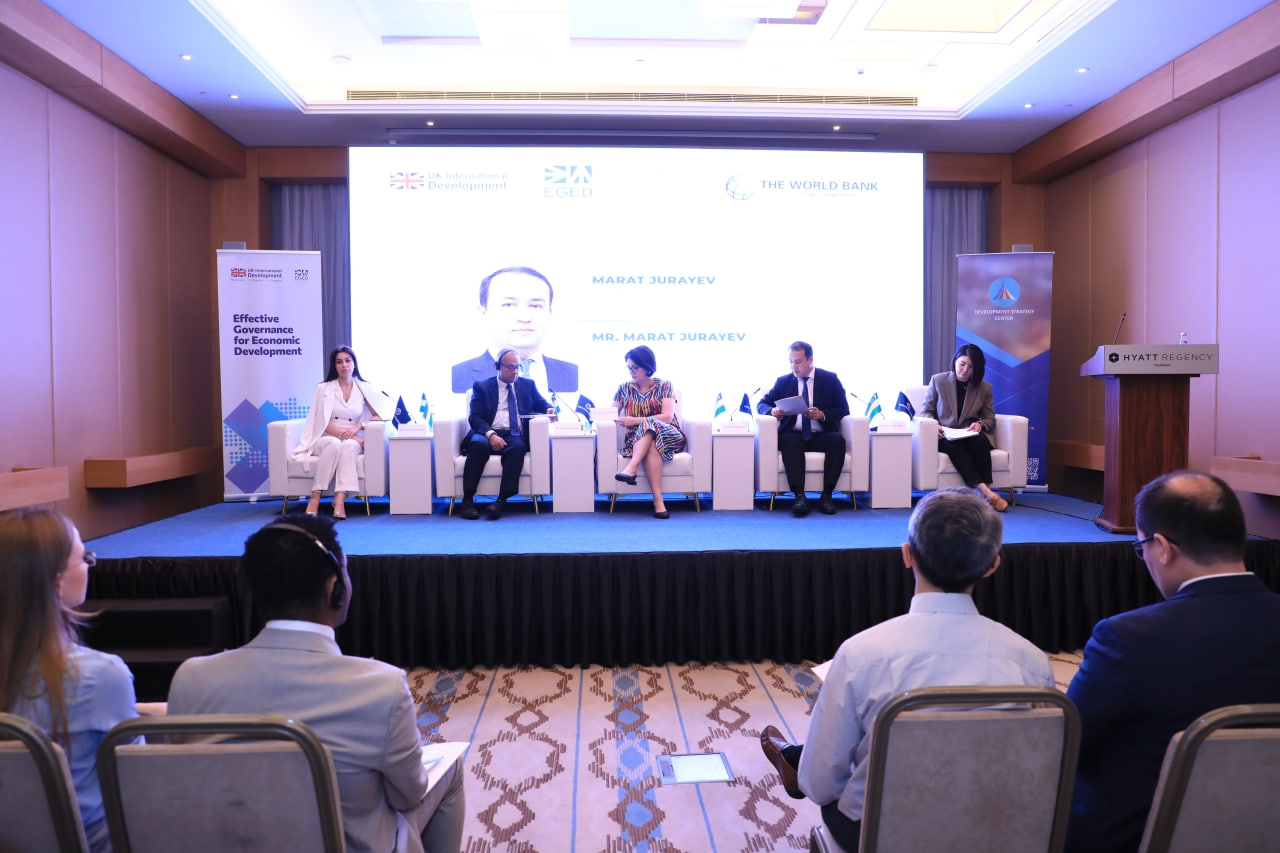
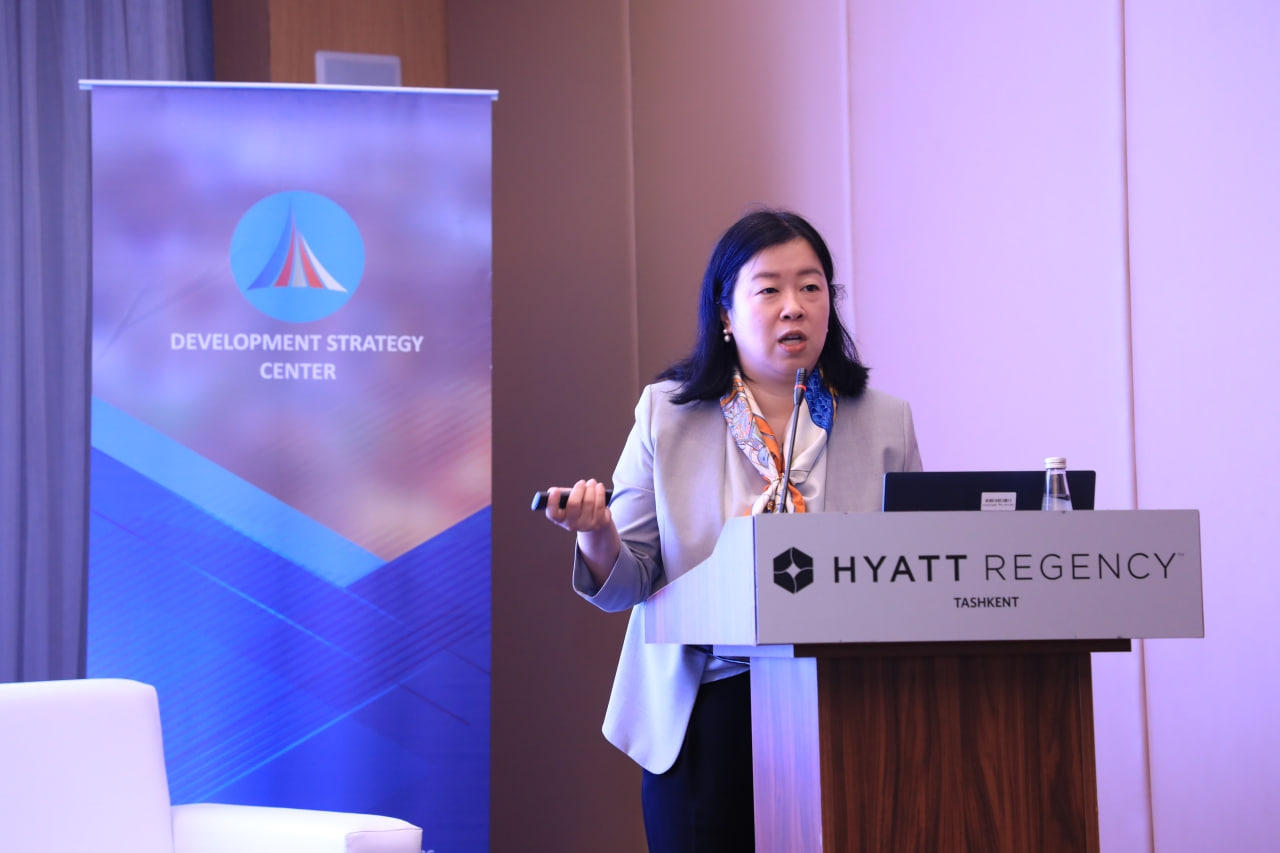
On June 27 of this year, the Development Strategy Center, together with the World Bank and the Regional Development Office for Central Asia of the UK Bureau for Foreign Affairs, Commonwealth and Development, organized a round table on the topic “Listening to the Citizens of Uzbekistan: Expanding the Economic Opportunities of Women in Uzbekistan.”
The event was attended by representatives of the Oliy Majlis of the Republic of Uzbekistan, relevant ministries and agencies, international organizations, the foreign diplomatic corps, analytical centres, local and international experts, civil society institutions, and the media.
At the opening of the event, the Executive Director of the Development Strategy Center, Eldor Tulyakov, spoke about the results of the important reforms carried out in the recent years. It was also noted that in 2024 the volume of GDP reached $115 bn, the volume of GDP per capita reached $3,093, the volume of foreign investments reached almost $35 bn, the share of “Green Energy” increased by 16 percent, the number of preschool educational organizations reached 37 thousand, the coverage level reached 76.0 percent, the share of women in management reached 35 percent, the inflation rate reduced to 9.8 percent, and a single interactive national platform “Xotinqizlar.uz” was launched to study and systematically solve problems of women.
During the round table, the latest results of the World Bank's monthly survey “Listening to the Citizens of Uzbekistan” were presented. It should be noted that the survey is being conducted by the World Bank since 2020 within the framework of the Effective Governance for Economic Development (EGED) program, funded by the UK government.
According to the “Listening to the Citizens of Uzbekistan” (L2CU) survey results, collected by the World Bank in May 2025, the followings were noted:
- The population's perception of the overall economic situation in Uzbekistan remains stable and at a high level, and, meanwhile, as of May 2025, 87 percent of households reported improved economic conditions.
- Citizens' anxieties about job loss have significantly decreased since the beginning of 2025, while 33% of citizens concerned about job loss. However, people's concerns about job losses in various income categories indicate that they are still high among poor households. Note that: in May 2025, 46% of the lowest-income 20% of households are worried about losing their jobs, while in the richest 20% of households this figure is only 21%;
- The number of households with any migrants has increased from 8% to 15% since the beginning of 2025. The first reason is that international labour migration in Uzbekistan is seasonal, with the majority of migrants going to work abroad in spring and summer and returning to their homeland in winter. Secondly, government agencies continue to support organized labour migration through skills and language training and are actively working on diversifying labour migration routes to cover a wide range of economically developed countries;
- When analysing citizens’ opinions on energy tariff reform, according to the results of the L2CU survey, households are well informed about the 2025 tariff reform and social norm. However, they do not have complete information about compensation measures, while citizens’ awareness in this regard should be improved through a public campaign that delivers relevant messages to specific target groups of citizens. In addition, the L2CU survey showed that households are increasingly considering switching to energy-efficient devices to reduce electricity consumption. Here, it is possible to increase the desire of citizens by focusing on innovative messages;
Another part of the event was dedicated to efforts aimed at expanding the economic opportunities of women in Uzbekistan. According to Dr Ambar Narayan, Practice Manager at the World Bank's Poverty and Equity Global Practice in Europe and Central Asia, Uzbekistan demonstrated significant progress in the World Bank’s Women, Business and Law Index in 2024. Also, the government is implementing additional measures on gender equality in the workplace this year. It also introduced norms on sexual violence and childcare leave into the Labour Code. We see that the country has set an example in this area, inspiring neighbours in Central Asia and beyond to take political and legal action to empower women in their countries.
It was noted that although significant political reforms have been carried out in Uzbekistan to promote gender equality, the effectiveness of their implementation needs to be improved.
During the event, the results of a recent study have been presented on awareness and implementation of the new Labour Code, approved by the World Bank in 2022 and effective as of April 30, 2023, from the perspective of private enterprises and citizens. Some findings include:
Awareness of the new Labour Code: Awareness of the 2023 Labour Code is significantly higher among enterprises (70%) than among citizens (30%), which indicates the need for efforts to raise awareness among citizens.
Gender equality in recruitment and employment: More than 90% of respondents (enterprises and citizens) with the same skills and qualifications confirm that women have the same opportunity to find work as men, and that women receive the same salary as men. However, citizens (16%) are more optimistic about the possibility of women reaching managerial positions than enterprises with such an opportunity (38%).
Recruitment announcements: Both citizens and enterprises confirm the presence of gender and age requirements when hiring. More than 50% of enterprises indicate gender preferences, and 48% of enterprises introduce age criteria at the workplace.
The participants also discussed the problems of expanding the economic opportunities of women in Uzbekistan during a panel discussion with representatives of the Senate of the Oliy Majlis, the Ministry of Employment and Poverty Reduction, the "Hamroh" and "Uzum" companies.
Development Strategy Center
Information Service