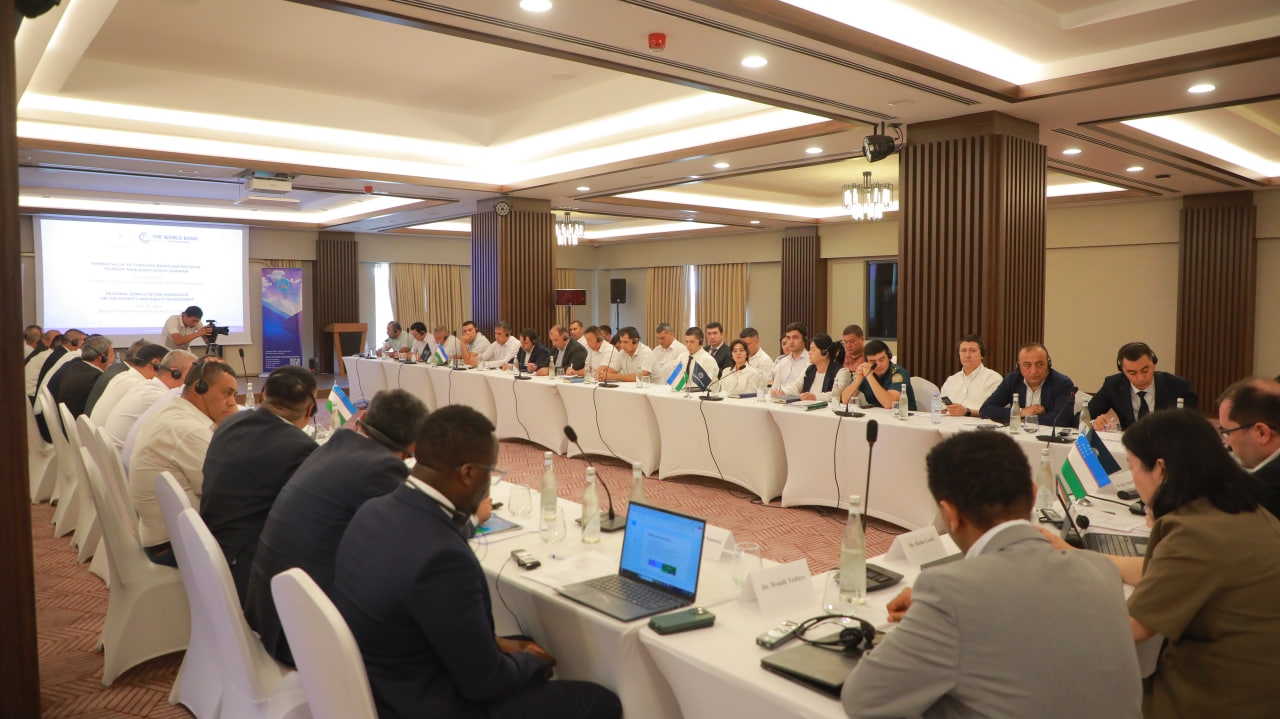
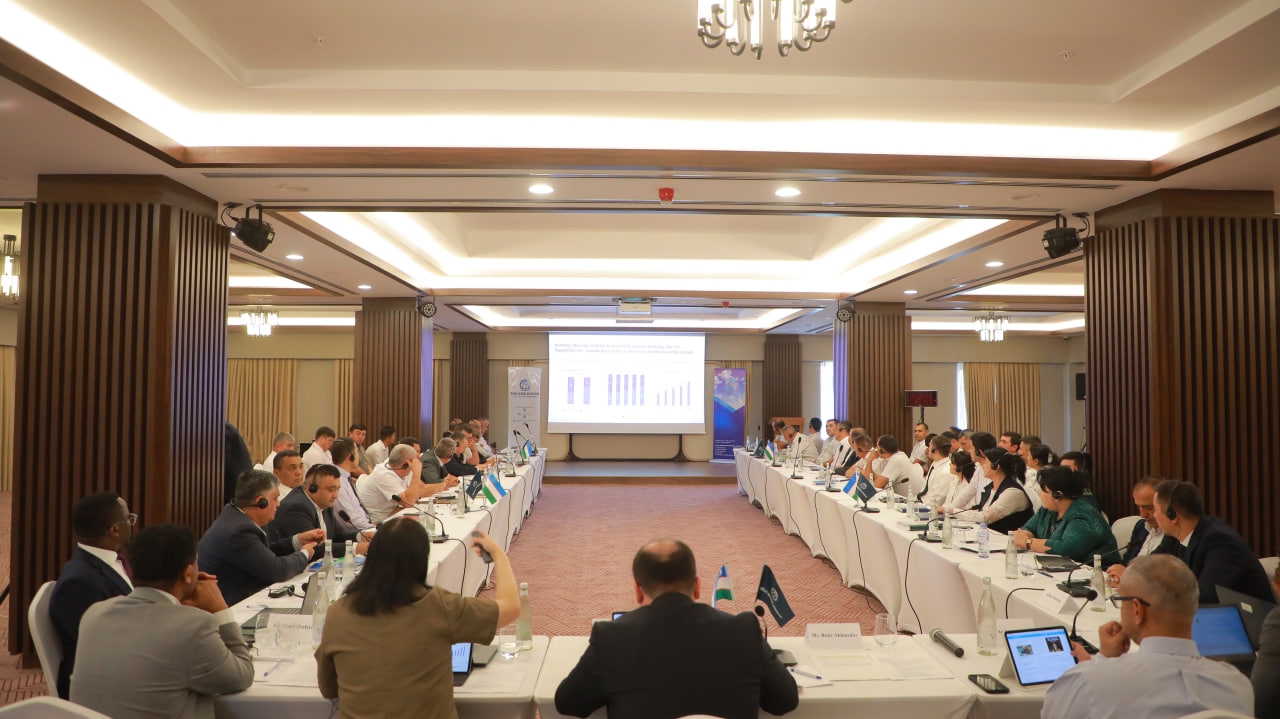
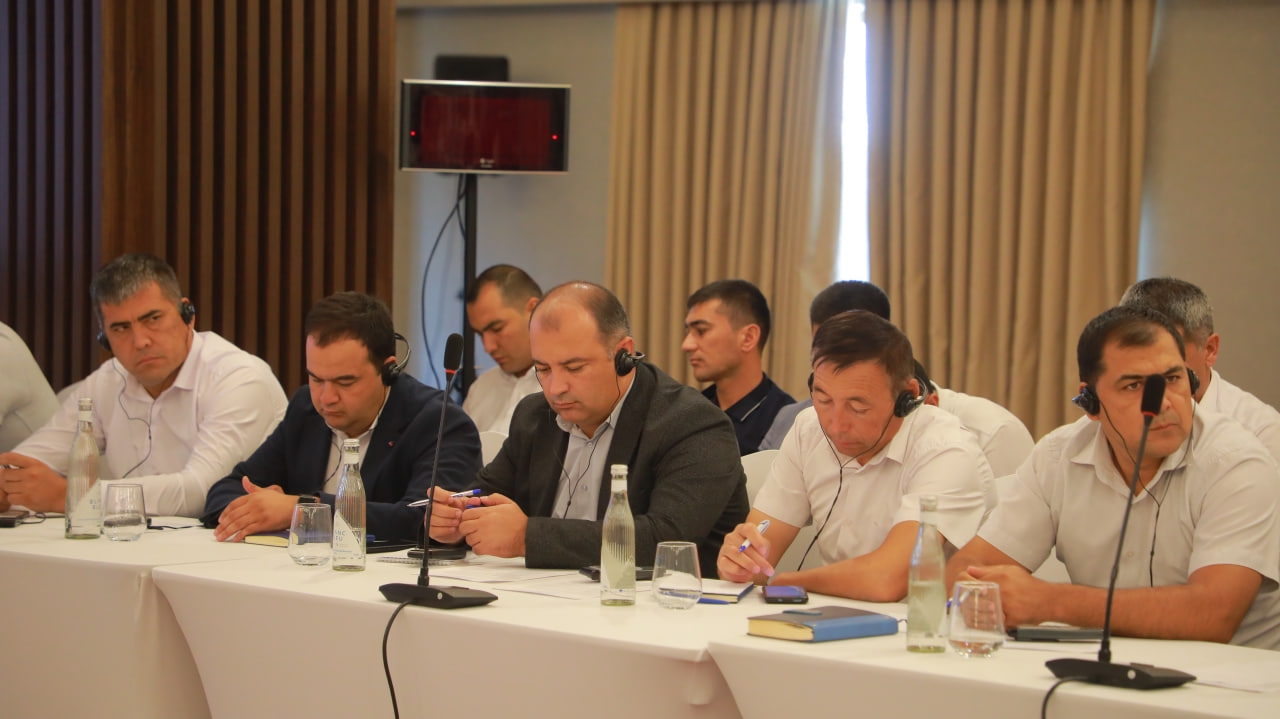
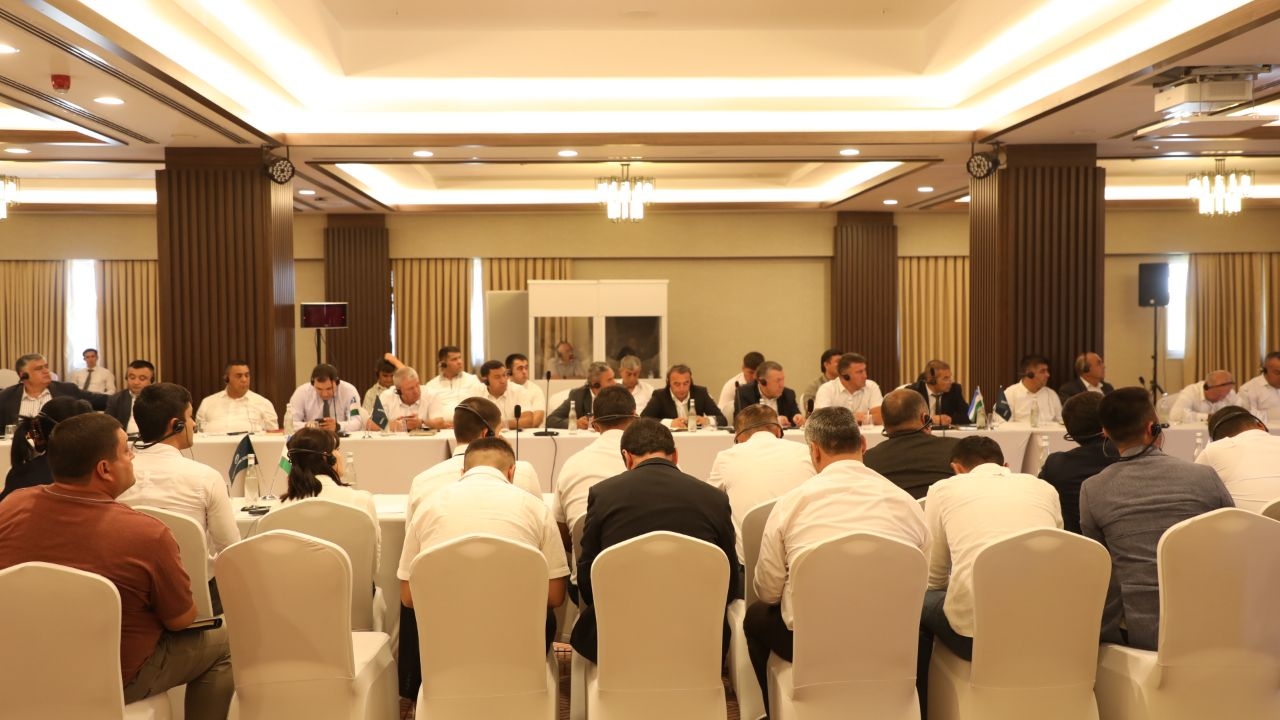
On June 30, 2025, a regional Consultative Seminar dedicated to poverty reduction and ensuring social equality within the framework of the “Uzbekistan-2030” Strategy was held in Bukhara. The event was organized by the World Bank, the Development Strategy Center, and the Bukhara regional administration.
The seminar was attended by the leadership of the Bukhara regional administration, representatives of the Ministry of Poverty Reduction and Employment, the National Agency for Social Protection, the Association of Mahallas of Uzbekistan, and civil society institutions, as well as mahalla activists - social workers, youth leaders, women's activists, and tax service employees.
The event was held in order to support at the regional level the national priorities defined in the “Uzbekistan-2030” Strategy, aimed at reducing poverty, ensuring sustainable economic growth and social equality.
During the seminar the participants discussed issues related to the implementation of the tasks defined in the “Uzbekistan-2030” Strategy, assessing the level of regional inequality, economic mobility, and poverty. Presentations were made on measures to reduce poverty in the region, expand employment opportunities, and measures being implemented in mahallas.
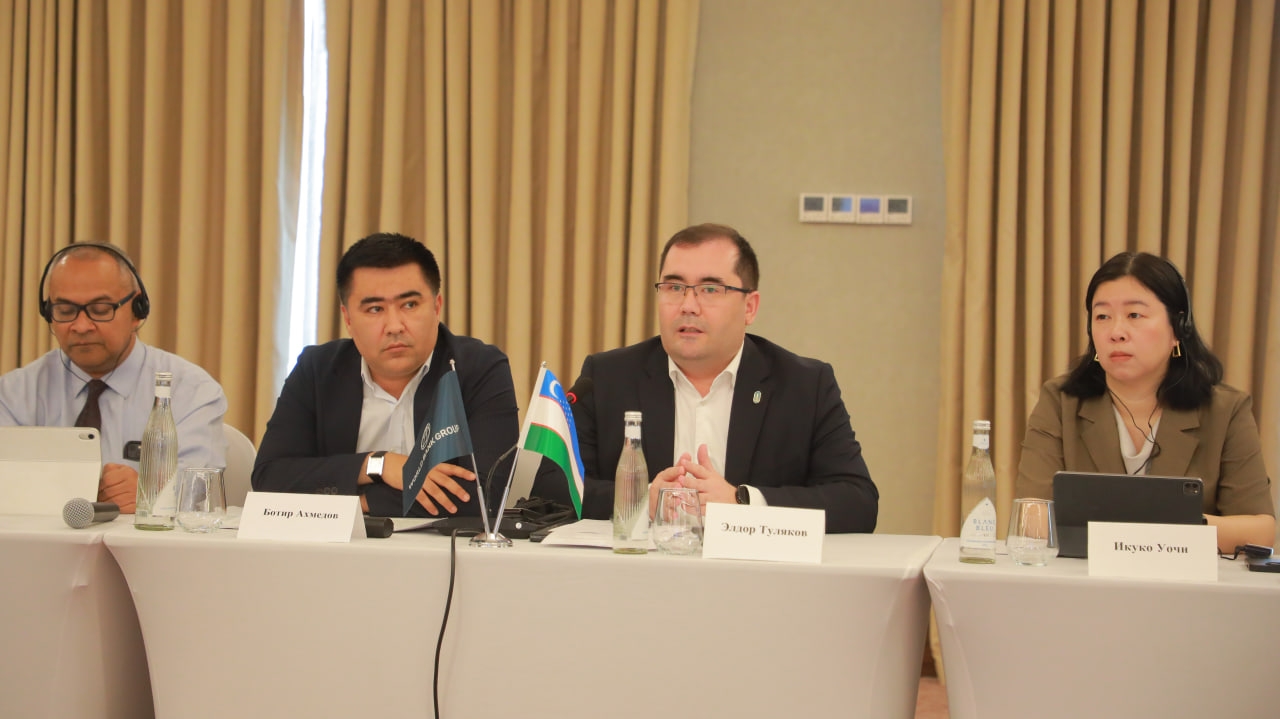
Leading World Bank economists — Ikuko Uochi, Dr. Vondimagegn Tesfaye, and Dr. Adesola Sunmoni presented the results of the latest analysis on assessing poverty and inequality in Uzbekistan.
According to the report, in recent years, Uzbekistan has achieved significant results in reducing poverty and improving well-being. In particular, from 2021 to 2024, the poverty rate decreased from 17% to 8.9%, and 2.5 million people were able to rise above the poverty line. In this process, positive shifts were observed, especially in rural areas, where a large part of the population increased their standard of living at the expense of wages, income from agriculture and small businesses.
Also, the share of the middle class increased from 37 percent to 60 percent in 3 years, which indicates an increase in economic mobility. The city of Tashkent made a great contribution to the expansion of the middle class through highly qualified and official jobs.
The presentation highlighted some pressing issues related to inequality in household incomes, the lack of stable income for the poor, the shortage of infrastructure in remote areas, and the inability to fully tap economic opportunities. A number of approaches were proposed in order to eliminate them, in particular:
— targeted strengthening of social protection programs and fair distribution of income;
— development of infrastructure and expansion of economic opportunities in remote areas;
— stimulating internal migration and labour mobility to promote equal opportunities across regions;
— expansion of opportunities for quality employment and education to ensure the stability of the middle class;
— ensuring equal access to digital services by reducing digital disparities.
It was emphasized that through these approaches, Uzbekistan will make more effective efforts to achieve sustainable growth and inclusive prosperity.
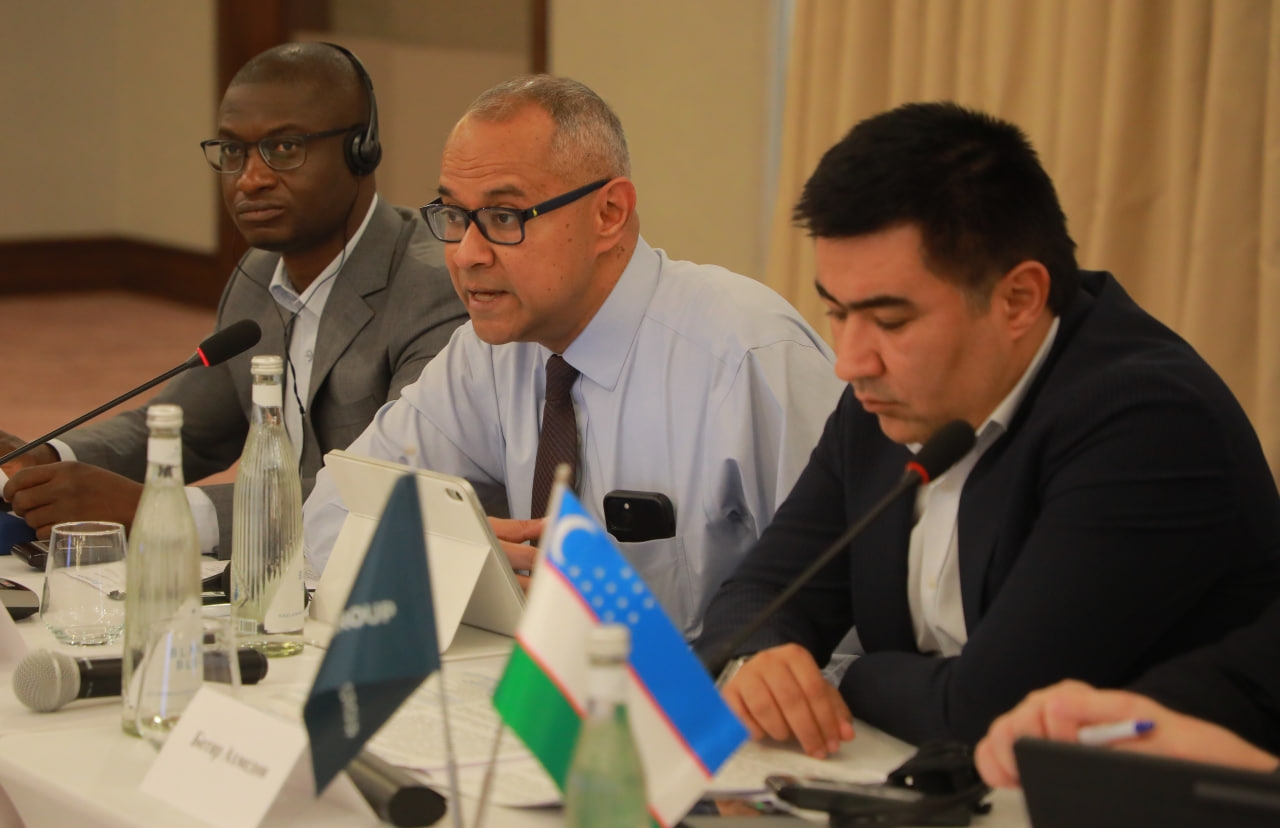
An open dialogue and consultations were held between the participants of the event. Following the seminar, the Executive Director of the Development Strategy Center, Eldor Tulyakov, and the World Bank's Operations Manager, Dr. Ambar Narayan, presented their conclusions on further measures to be implemented.
Development Strategy Center
Information Service
 English
 Русский
 О'zbek


On June 30, 2025, a regional Consultative Seminar dedicated to poverty reduction and ensuring social equality within the framework of the “Uzbekistan-2030” Strategy was held in Bukhara. The event was organized by the World Bank, the Development Strategy Center, and the Bukhara regional administration.
The seminar was attended by the leadership of the Bukhara regional administration, representatives of the Ministry of Poverty Reduction and Employment, the National Agency for Social Protection, the Association of Mahallas of Uzbekistan, and civil society institutions, as well as mahalla activists - social workers, youth leaders, women's activists, and tax service employees.
The event was held in order to support at the regional level the national priorities defined in the “Uzbekistan-2030” Strategy, aimed at reducing poverty, ensuring sustainable economic growth and social equality.
During the seminar the participants discussed issues related to the implementation of the tasks defined in the “Uzbekistan-2030” Strategy, assessing the level of regional inequality, economic mobility, and poverty. Presentations were made on measures to reduce poverty in the region, expand employment opportunities, and measures being implemented in mahallas.
Leading World Bank economists — Ikuko Uochi, Dr. Vondimagegn Tesfaye, and Dr. Adesola Sunmoni presented the results of the latest analysis on assessing poverty and inequality in Uzbekistan.
According to the report, in recent years, Uzbekistan has achieved significant results in reducing poverty and improving well-being. In particular, from 2021 to 2024, the poverty rate decreased from 17% to 8.9%, and 2.5 million people were able to rise above the poverty line. In this process, positive shifts were observed, especially in rural areas, where a large part of the population increased their standard of living at the expense of wages, income from agriculture and small businesses.
Also, the share of the middle class increased from 37 percent to 60 percent in 3 years, which indicates an increase in economic mobility. The city of Tashkent made a great contribution to the expansion of the middle class through highly qualified and official jobs.
The presentation highlighted some pressing issues related to inequality in household incomes, the lack of stable income for the poor, the shortage of infrastructure in remote areas, and the inability to fully tap economic opportunities. A number of approaches were proposed in order to eliminate them, in particular:
— targeted strengthening of social protection programs and fair distribution of income;
— development of infrastructure and expansion of economic opportunities in remote areas;
— stimulating internal migration and labour mobility to promote equal opportunities across regions;
— expansion of opportunities for quality employment and education to ensure the stability of the middle class;
— ensuring equal access to digital services by reducing digital disparities.
It was emphasized that through these approaches, Uzbekistan will make more effective efforts to achieve sustainable growth and inclusive prosperity.
An open dialogue and consultations were held between the participants of the event. Following the seminar, the Executive Director of the Development Strategy Center, Eldor Tulyakov, and the World Bank's Operations Manager, Dr. Ambar Narayan, presented their conclusions on further measures to be implemented.
Development Strategy Center
Information Service