As part of the visit to Geneva, representatives of the Development Strategy Center held a meeting with Santiago A. Canton, Secretary General of the International Commission of Jurists (ICJ), and Jan Zyderman, the organization’s Senior Director for Legal and Policy Affairs.
The meeting focused on constitutional and judicial reforms being implemented in Uzbekistan, the protection of human rights and freedoms, strengthening the rule of law, and expanding international expert cooperation in these areas.
Representatives of the International Commission of Jurists were briefed on efforts to implement the principles and norms established within the framework of the country’s constitutional reforms, improve mechanisms for protecting human rights, and ensure that the interests of individuals remain a priority in the activities of public authorities.
The meeting also covered the goals and objectives set out in the “Uzbekistan – 2030” Strategy in the areas of ensuring the rule of law, improving public administration, strengthening the protection of human rights and freedoms, and developing civil society institutions.
Particular attention was paid to the continued improvement of the judicial and legal system. The participants exchanged views on reforms aimed at strengthening judicial independence, expanding access to justice, ensuring openness and transparency in the activities of courts, and improving the quality and consistency of judicial decisions.
The role of administrative courts in protecting the rights of citizens and businesses against unlawful decisions, actions or inaction by public authorities and officials was also among the key topics of discussion. It was noted that further development of the administrative justice system can contribute to effective judicial oversight of public authorities and strengthen mechanisms for the protection of human rights.
The meeting also included an overview of the “Justice – 2030” Strategy for Building a People-Centered and Fair Judicial System that Reliably Protects Human Rights in New Uzbekistan, adopted on 14 August 2026.
The parties emphasized the importance of enhancing the practical effectiveness of reforms, studying advanced international experience, and maintaining systematic dialogue with international experts.
The meeting also addressed ongoing cooperation with the ICJ, including work under the SHIELD project to improve mechanisms for the effective implementation at the national level of decisions of UN human rights treaty bodies and recommendations issued under special procedures.
Following the meeting, a number of proposals were put forward to further develop cooperation with the ICJ through concrete practical initiatives.
First, it was proposed to establish a permanent expert dialogue mechanism on the implementation of the “Justice – 2030” Strategy. Within this framework, the Development Strategy Center, the ICJ and relevant institutions of Uzbekistan would regularly discuss the implementation of the Strategy from the perspective of international standards and advanced international experience. The parties also considered opportunities to develop joint expert recommendations on judicial independence, access to justice, administrative justice, judicial oversight, digital justice, and judicial protection of human rights.
Second, it was proposed to establish a specialized programme for judges, lawyers, and legal services of public authorities focused on the practical application of international human rights standards. The programme would cover international treaties, the legal positions of UN human rights treaty bodies, and the application of international standards in national judicial practice through the study of specific cases, comparative legal practice, and mock trials.
Third, an initiative was proposed to organize an annual expert dialogue in Geneva dedicated to human rights and judicial reforms in Uzbekistan. The platform would bring together representatives of UN institutions, international legal experts, judges, academics, and civil society to present progress achieved under the “Uzbekistan – 2030” and “Justice – 2030” strategies and obtain practical recommendations from international experts on the next stages of reform.
At the conclusion of the meeting, the parties expressed their interest in continuing expert dialogue on the rule of law, human rights protection, and judicial and legal reforms, as well as in expanding bilateral cooperation through practical projects and initiatives.
Information Service of the
Development Strategy Center
 English
 Русский
 О'zbek


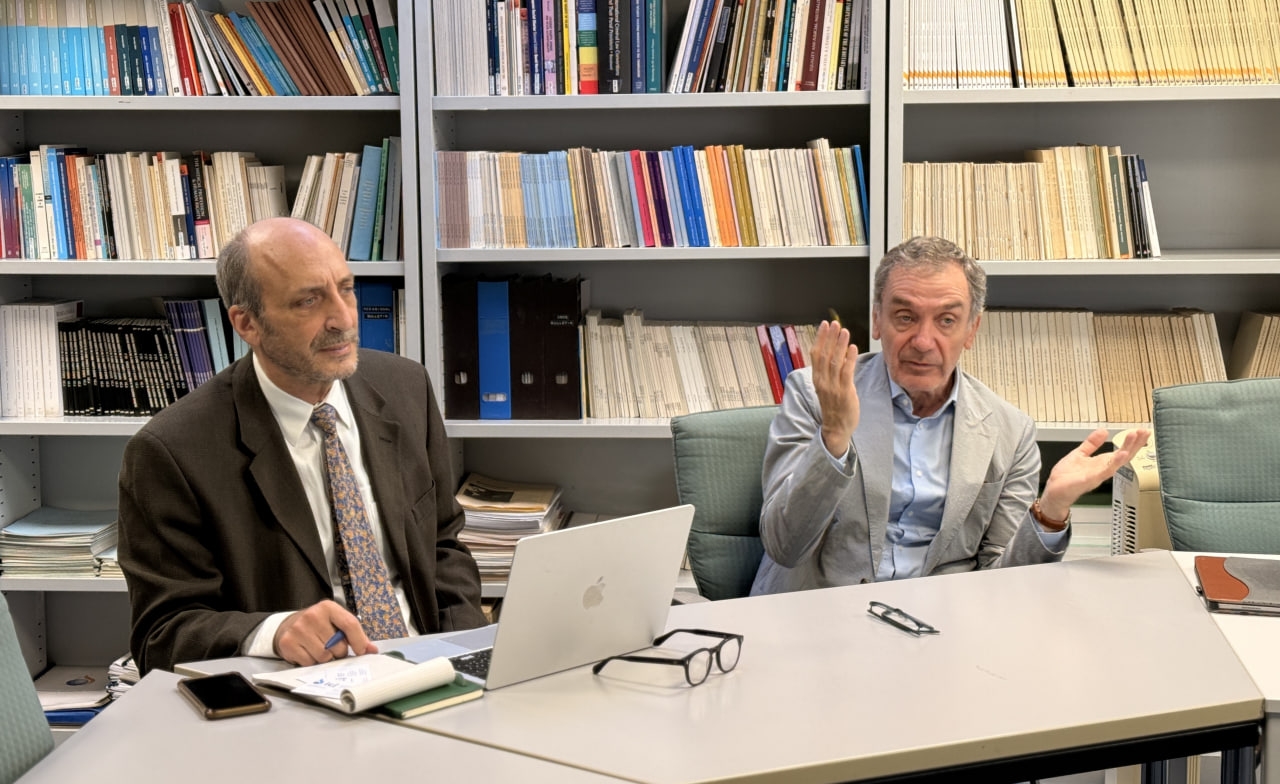

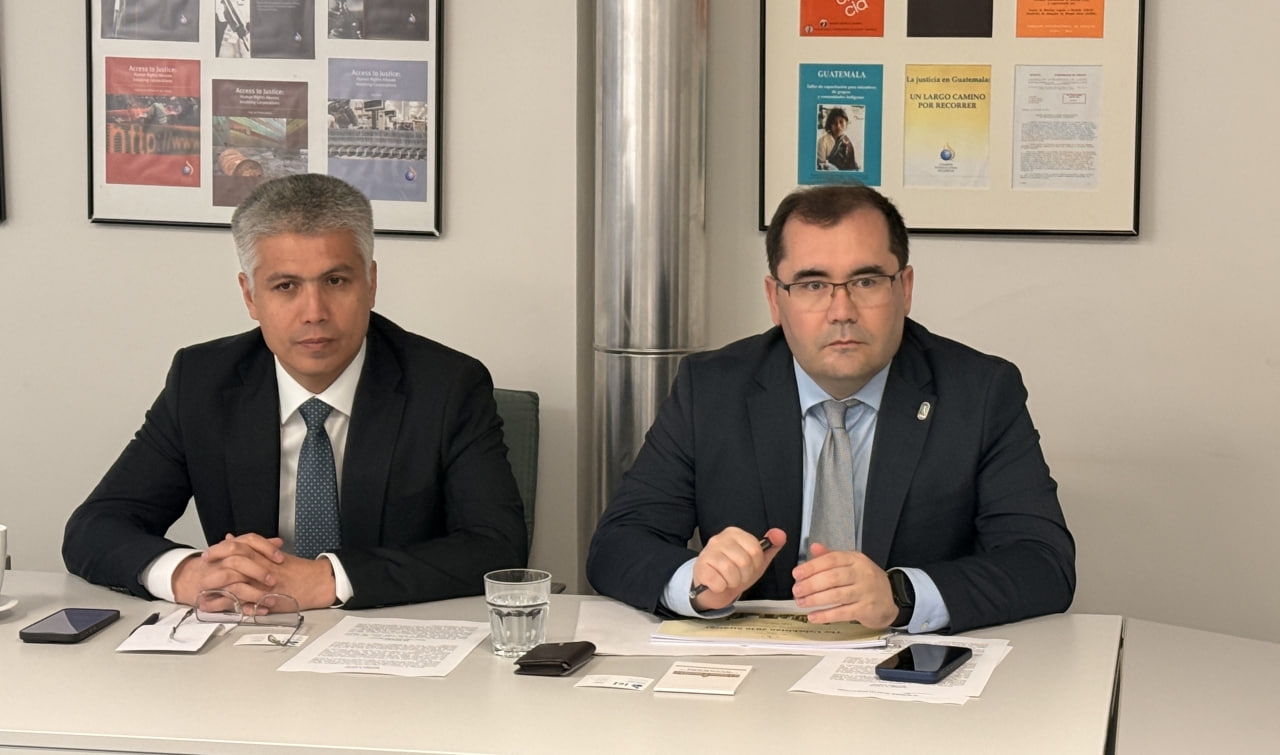
As part of the visit to Geneva, representatives of the Development Strategy Center held a meeting with Santiago A. Canton, Secretary General of the International Commission of Jurists (ICJ), and Jan Zyderman, the organization’s Senior Director for Legal and Policy Affairs.
The meeting focused on constitutional and judicial reforms being implemented in Uzbekistan, the protection of human rights and freedoms, strengthening the rule of law, and expanding international expert cooperation in these areas.
Representatives of the International Commission of Jurists were briefed on efforts to implement the principles and norms established within the framework of the country’s constitutional reforms, improve mechanisms for protecting human rights, and ensure that the interests of individuals remain a priority in the activities of public authorities.
The meeting also covered the goals and objectives set out in the “Uzbekistan – 2030” Strategy in the areas of ensuring the rule of law, improving public administration, strengthening the protection of human rights and freedoms, and developing civil society institutions.
Particular attention was paid to the continued improvement of the judicial and legal system. The participants exchanged views on reforms aimed at strengthening judicial independence, expanding access to justice, ensuring openness and transparency in the activities of courts, and improving the quality and consistency of judicial decisions.
The role of administrative courts in protecting the rights of citizens and businesses against unlawful decisions, actions or inaction by public authorities and officials was also among the key topics of discussion. It was noted that further development of the administrative justice system can contribute to effective judicial oversight of public authorities and strengthen mechanisms for the protection of human rights.
The meeting also included an overview of the “Justice – 2030” Strategy for Building a People-Centered and Fair Judicial System that Reliably Protects Human Rights in New Uzbekistan, adopted on 14 August 2026.
The parties emphasized the importance of enhancing the practical effectiveness of reforms, studying advanced international experience, and maintaining systematic dialogue with international experts.
The meeting also addressed ongoing cooperation with the ICJ, including work under the SHIELD project to improve mechanisms for the effective implementation at the national level of decisions of UN human rights treaty bodies and recommendations issued under special procedures.
Following the meeting, a number of proposals were put forward to further develop cooperation with the ICJ through concrete practical initiatives.
First, it was proposed to establish a permanent expert dialogue mechanism on the implementation of the “Justice – 2030” Strategy. Within this framework, the Development Strategy Center, the ICJ and relevant institutions of Uzbekistan would regularly discuss the implementation of the Strategy from the perspective of international standards and advanced international experience. The parties also considered opportunities to develop joint expert recommendations on judicial independence, access to justice, administrative justice, judicial oversight, digital justice, and judicial protection of human rights.
Second, it was proposed to establish a specialized programme for judges, lawyers, and legal services of public authorities focused on the practical application of international human rights standards. The programme would cover international treaties, the legal positions of UN human rights treaty bodies, and the application of international standards in national judicial practice through the study of specific cases, comparative legal practice, and mock trials.
Third, an initiative was proposed to organize an annual expert dialogue in Geneva dedicated to human rights and judicial reforms in Uzbekistan. The platform would bring together representatives of UN institutions, international legal experts, judges, academics, and civil society to present progress achieved under the “Uzbekistan – 2030” and “Justice – 2030” strategies and obtain practical recommendations from international experts on the next stages of reform.
At the conclusion of the meeting, the parties expressed their interest in continuing expert dialogue on the rule of law, human rights protection, and judicial and legal reforms, as well as in expanding bilateral cooperation through practical projects and initiatives.
Information Service of the
Development Strategy Center