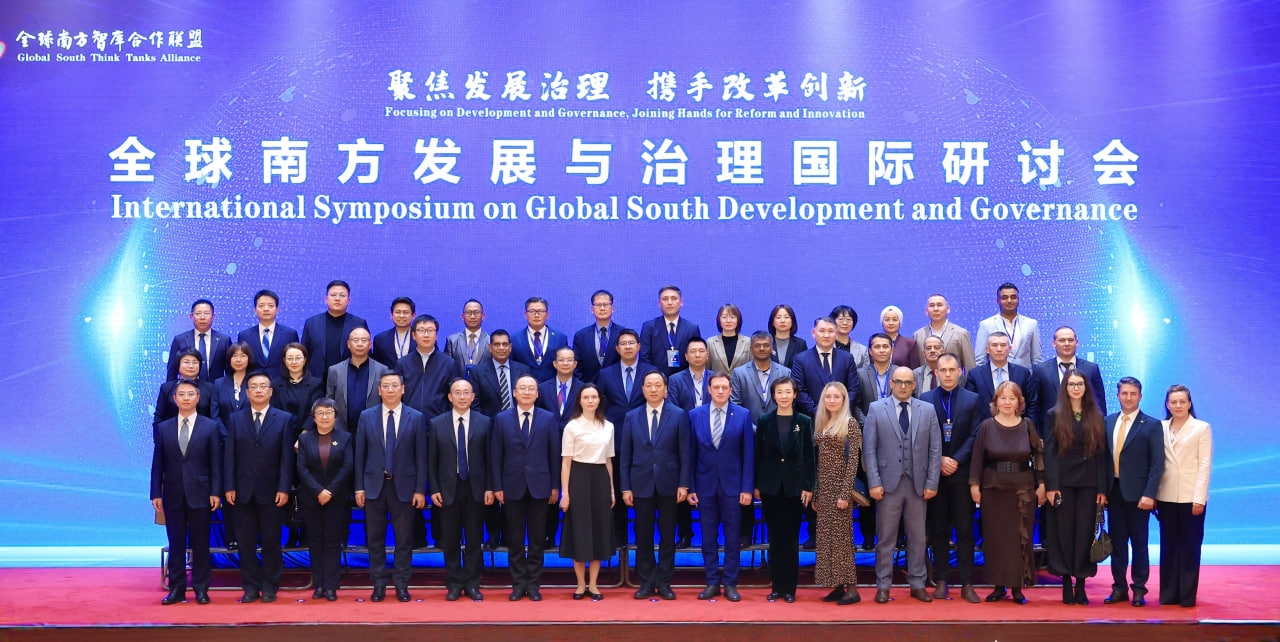
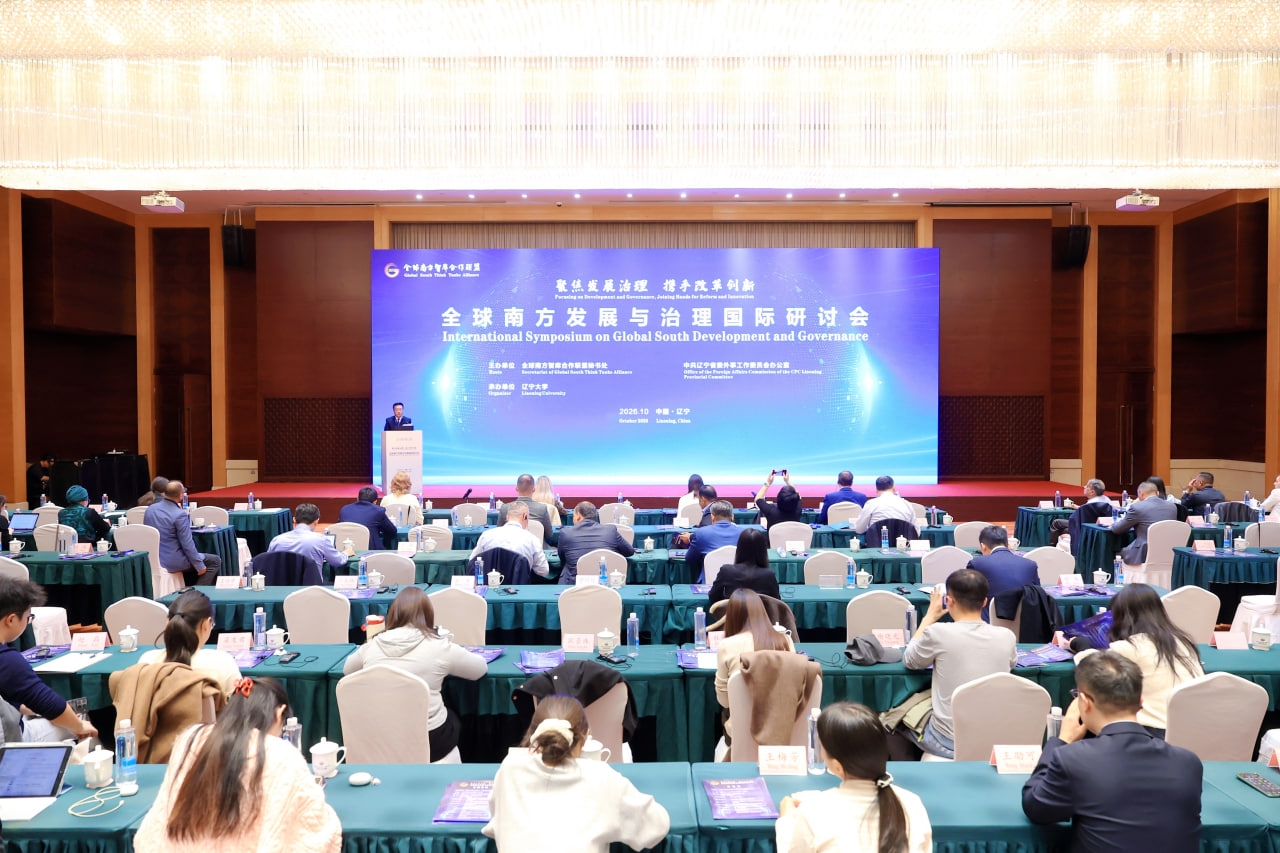
From October 27 to 30, 2026, the Global South Think Tanks Forum, themed “Development and Governance in the Global South,” was held in Shenyang, People’s Republic of China.
The event was jointly organized by the International Department of the Central Committee of the Communist Party of China, Liaoning Province, Liaoning University, and the Global South Think Tanks Alliance. It brought together representatives of leading think tanks, research institutions, and expert communities from various countries.
The forum addressed key issues related to the socioeconomic development of Global South countries, improvements in public administration, digital transformation, and the expansion of international cooperation.
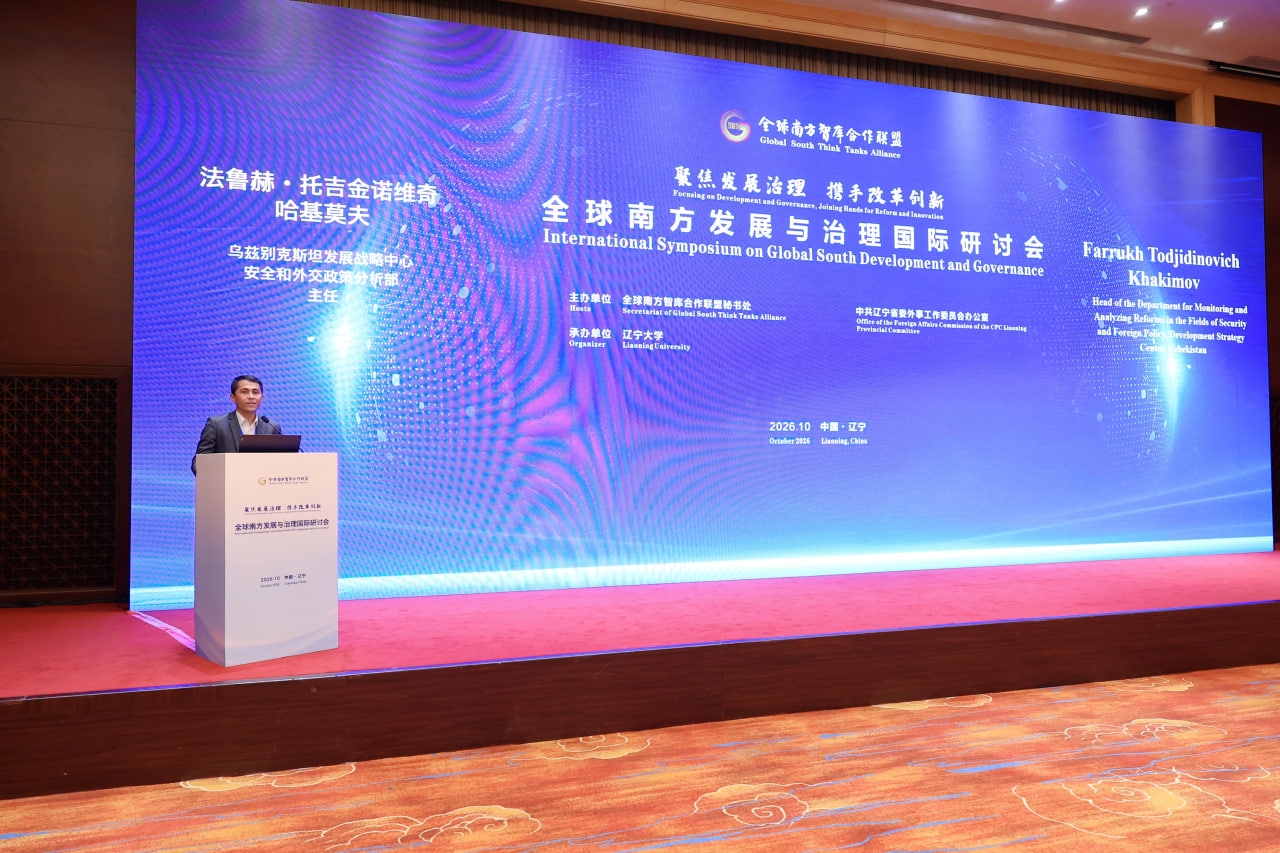
Farrukh Khakimov, Head of Department at the Development Strategy Center of Uzbekistan, delivered a presentation on the country’s digital transformation reforms, achievements, and prospects for technological cooperation with China.
In his address, he emphasized that digitalization is becoming a major driver of Uzbekistan’s long-term development, contributing to more effective public administration and greater competitiveness of the national economy.
In particular, he noted that consistent efforts are being undertaken under the “Uzbekistan — 2030” and “Digital Uzbekistan — 2030” strategies to develop digital infrastructure, modernize public services, and promote the widespread adoption of advanced technologies across the economy and society.
Among the key achievements highlighted were the expansion of the e-government system, the provision of more than 900 services through the Unified Portal of Interactive Public Services, and the introduction of automated mechanisms and data-driven approaches to decision-making in public administration.
Special attention was also given to the development of artificial intelligence technologies. Participants were informed about the adoption of the Strategy for the Development of Artificial Intelligence Technologies until 2030 and ongoing efforts to strengthen the relevant legal and regulatory framework.
In particular, it was emphasized that the legislation establishes liability for the unlawful processing of personal data using artificial intelligence and prohibits decisions affecting human rights and freedoms from being made solely on the basis of AI-generated results.
Promising areas of cooperation between Uzbekistan and China also featured prominently in the presentation.
China was identified as one of Uzbekistan’s key partners in digital technologies and innovation. Particular attention was paid to opportunities for developing modern infrastructure, accelerating the transfer of advanced technologies, and promoting joint innovation projects under the Digital Silk Road initiative.
In addition, the “Samarkand–2028” satellite project was highlighted as a promising initiative that could contribute to strengthening Uzbekistan’s capabilities in space technologies and digital infrastructure.
Expert discussions also covered opportunities to strengthen investment partnerships in the digital sector, introduce modern technologies, and exchange international experience in innovation-driven development.
At the conclusion of the forum, participants emphasized the importance of establishing regular dialogue among think tanks, conducting joint scientific research, implementing promising projects, and developing practical mechanisms for international cooperation.
Press Service
Development Strategy Center
 English
 Русский
 О'zbek


From October 27 to 30, 2026, the Global South Think Tanks Forum, themed “Development and Governance in the Global South,” was held in Shenyang, People’s Republic of China.
The event was jointly organized by the International Department of the Central Committee of the Communist Party of China, Liaoning Province, Liaoning University, and the Global South Think Tanks Alliance. It brought together representatives of leading think tanks, research institutions, and expert communities from various countries.
The forum addressed key issues related to the socioeconomic development of Global South countries, improvements in public administration, digital transformation, and the expansion of international cooperation.
Farrukh Khakimov, Head of Department at the Development Strategy Center of Uzbekistan, delivered a presentation on the country’s digital transformation reforms, achievements, and prospects for technological cooperation with China.
In his address, he emphasized that digitalization is becoming a major driver of Uzbekistan’s long-term development, contributing to more effective public administration and greater competitiveness of the national economy.
In particular, he noted that consistent efforts are being undertaken under the “Uzbekistan — 2030” and “Digital Uzbekistan — 2030” strategies to develop digital infrastructure, modernize public services, and promote the widespread adoption of advanced technologies across the economy and society.
Among the key achievements highlighted were the expansion of the e-government system, the provision of more than 900 services through the Unified Portal of Interactive Public Services, and the introduction of automated mechanisms and data-driven approaches to decision-making in public administration.
Special attention was also given to the development of artificial intelligence technologies. Participants were informed about the adoption of the Strategy for the Development of Artificial Intelligence Technologies until 2030 and ongoing efforts to strengthen the relevant legal and regulatory framework.
In particular, it was emphasized that the legislation establishes liability for the unlawful processing of personal data using artificial intelligence and prohibits decisions affecting human rights and freedoms from being made solely on the basis of AI-generated results.
Promising areas of cooperation between Uzbekistan and China also featured prominently in the presentation.
China was identified as one of Uzbekistan’s key partners in digital technologies and innovation. Particular attention was paid to opportunities for developing modern infrastructure, accelerating the transfer of advanced technologies, and promoting joint innovation projects under the Digital Silk Road initiative.
In addition, the “Samarkand–2028” satellite project was highlighted as a promising initiative that could contribute to strengthening Uzbekistan’s capabilities in space technologies and digital infrastructure.
Expert discussions also covered opportunities to strengthen investment partnerships in the digital sector, introduce modern technologies, and exchange international experience in innovation-driven development.
At the conclusion of the forum, participants emphasized the importance of establishing regular dialogue among think tanks, conducting joint scientific research, implementing promising projects, and developing practical mechanisms for international cooperation.
Press Service
Development Strategy Center