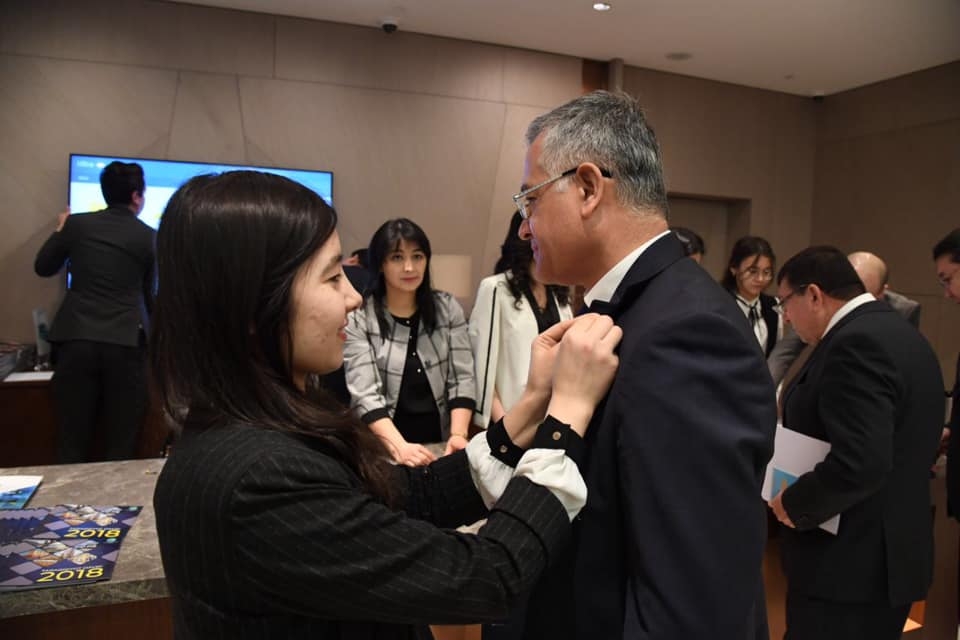
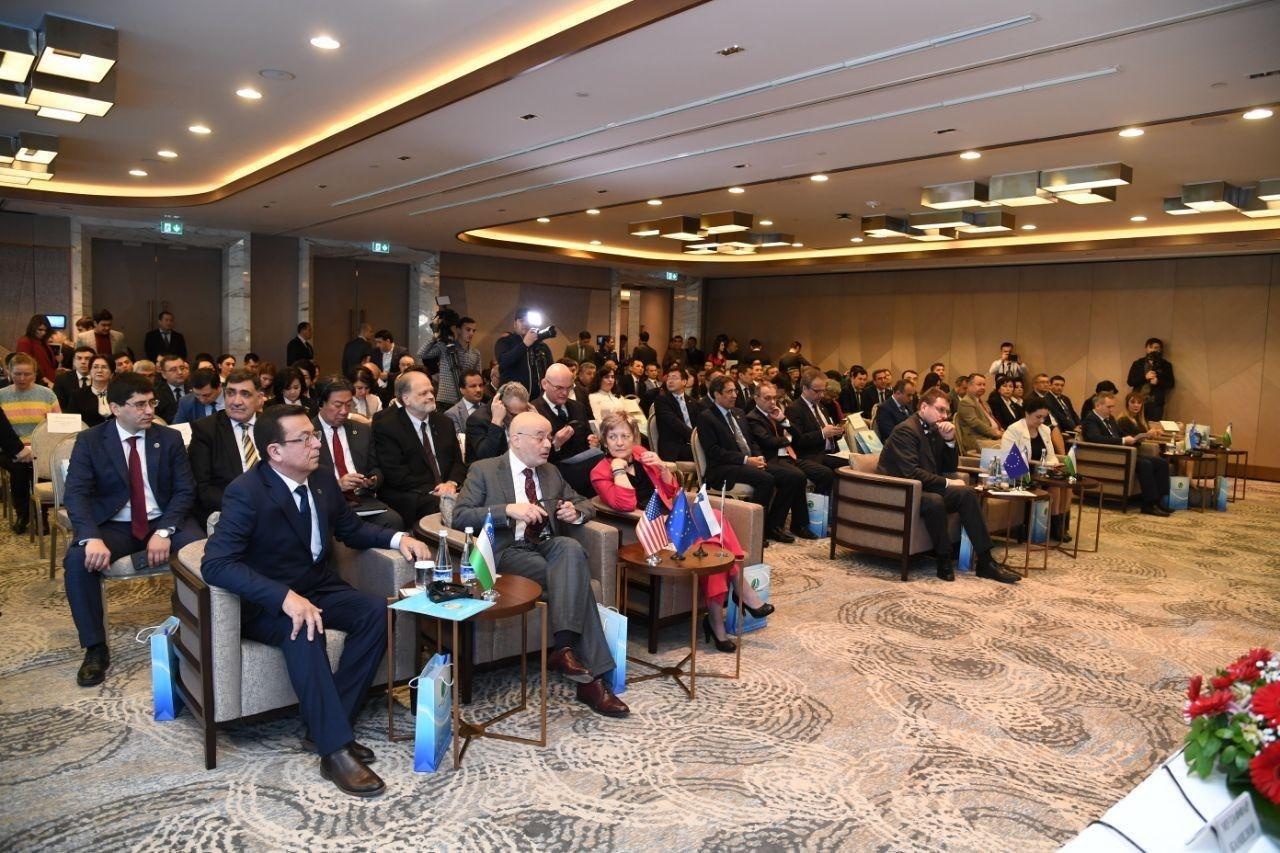
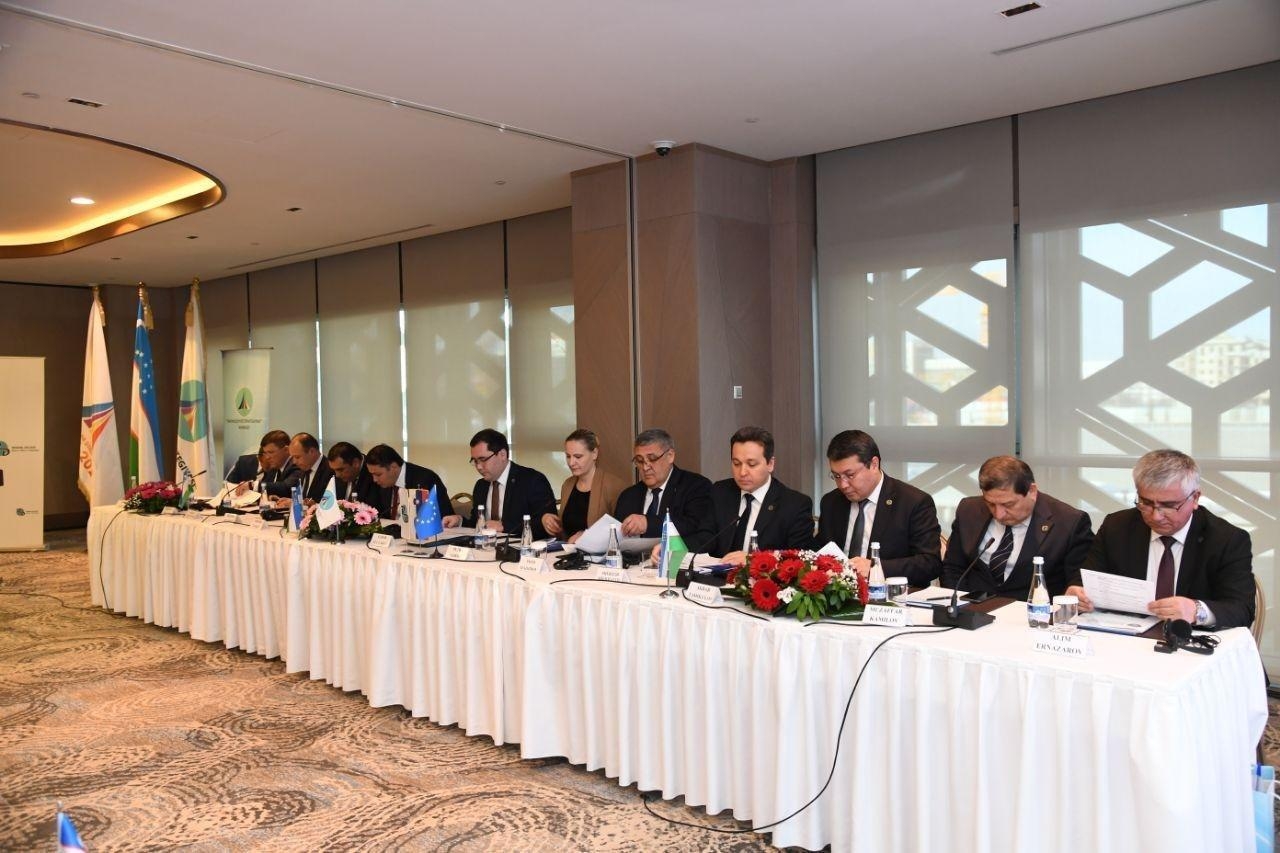
 February 14, 2020, Hilton Tashkent City Hotel has hosted an international forum on ‘Address of the President of the Republic of Uzbekistan: Three-Year Effect of the Strategy of Actions and Priorities for 2020’, organized by joint efforts of Development Strategy Center, Legislative Chamber of the Oliy Majlis, Prosecutor General's Office and ‘Regional Dialogue’ Branch Office in Uzbekistan. The forum brought together representatives of state authorities, NGOs, civil society institutions, international organizations, foreign embassies, youth, experts, specialists, representatives of local and foreign media.
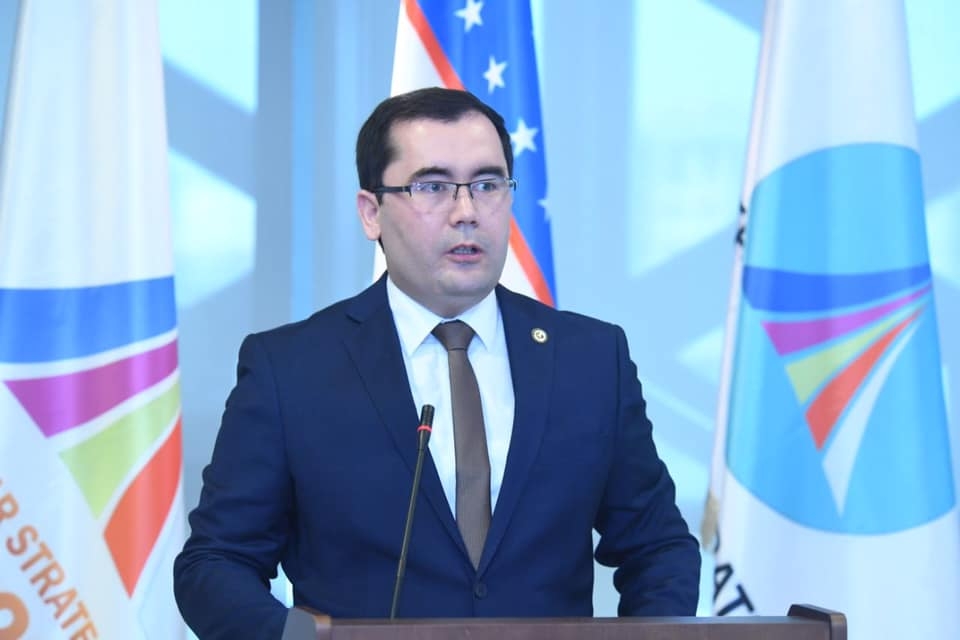
The forum was opened by Executive Director of the Development Strategy Center Eldor Tulyakov. In his opening remarks, he noted that nowadays Uzbekistan is globally seen as a dynamically developing country, demonstrating stable economic growth rates and consistently raising living standards of the population.
The brochure ‘Three-Year Effect of the Strategy of Actions: Expected Outcomes, High Efficiency and High Achievements’, published by the Development Strategy Center, was presented after the video.
 As noted by speakers, the publication provides a detailed overview of the progress made in the framework of government programs and the results achieved.
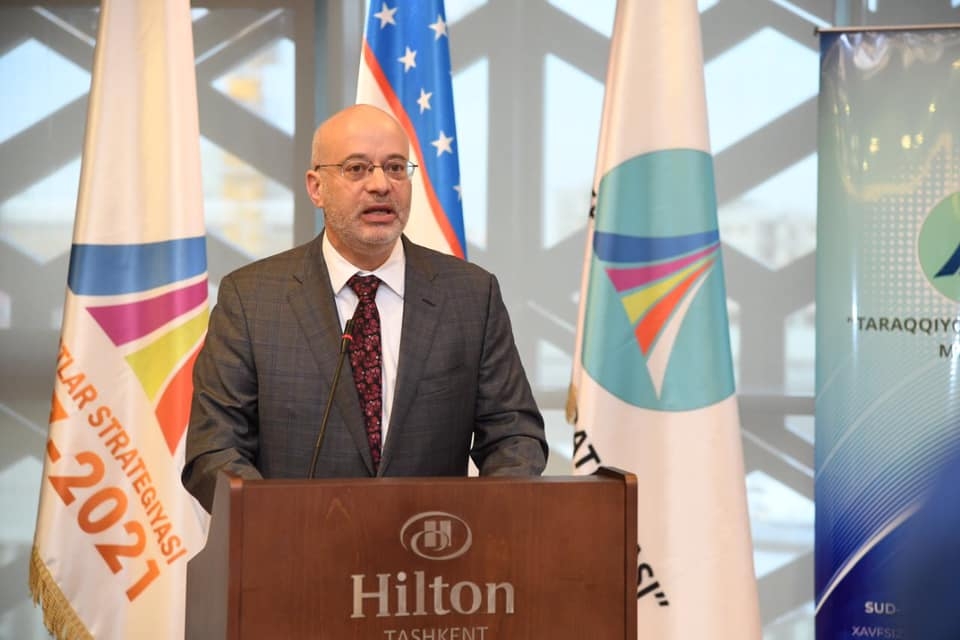
The international forum proceeded with an overview of five priority development areas of the Strategy of Actions. In their speeches, the speakers reported on the work done by relevant ministries, departments and state agencies.
As emphasized at the event, the role of the parliament and political parties has strengthened over the past three years. MPs and senators not just reviewed the draft laws, but also made outreach visits, collected information about the living standards of people, were engaged in regular analysis and solution of problems that arise in the decision-making process. This is the critical innovation in the activities of the two chambers of the Oliy Majlis. The Legislative Chamber introduced a practice of ‘Government Hour’, and both chambers established anti-corruption committees. A Virtual Reception and People's Reception Offices of the President of the Republic of Uzbekistan were created in order to address problems and meet the needs of the population. Ministry of Justice established the Public Services Agency. In 2018, the Agency rendered 37 types of public services, while by 2019 their number reached 130.
 In the priority area of ensuring the rule of law and further reforming the judicial system, the activities of the Supreme Court were improved, economic and administrative courts were established. Uzbekistan introduced a system of regular reporting of governors of all levels, the prosecution and internal affairs bodies to the population.
The priority area of economic development and active investment raising is marked by liberalization of the foreign exchange market. Customs payment rates were halved. Uzbekistan introduced a new Tax Concept and carried out consistent tax reforms. Types of taxes were reduced from 13 to nine, and the personal income tax rate was set at 12%.
As noted at the event, the country’s tourism potential has scaled up in the priority area of social development. In 2019, 6.7 million foreign tourists visited Uzbekistan, which is 4.7 million more than in 2016. As a result of educational reforms, pre-school enrollment made up 52%. In 2019, four Presidential Schools and three Creative Schools were launched. Uuniversity enrollment amounted to 146,500 people.
Uzbekistan adopted the Defense Doctrine in the framework of priorities on ensuring security, interethnic harmony and religious tolerance, and implementation of a balanced, mutually beneficial and constructive foreign policy. On December 12, 2018, at the initiative of Uzbekistan, the UN General Assembly adopted a Special Resolution on ‘Enlightenment and Religious Tolerance’. The Resolution was not just unanimously supported by all UN member states, but adopted in collaboration with more than 50 countries of North and Latin America, Asia, and Africa.
The international forum was an open dialogue, each presentation was followed by heated discussions.
At the end of the forum, the Development Strategy Center presented a video about its activities and outcomes of a three-year monitoring, analysis and raising awareness on the progress in implementation of state programs.
The video demonstrated how the Center strengthens partnerships with think tanks around the world with many years of expertise and skilled experts. The number of memorandums signed over three years has reached 58, of which 18 were signed in 2019.
Following the conference, the participants drew conclusions on cooperation, paying close attention the exchange of views of international and local experts.
Information Service,
Development Strategy Center
 English
 Русский
 О'zbek


