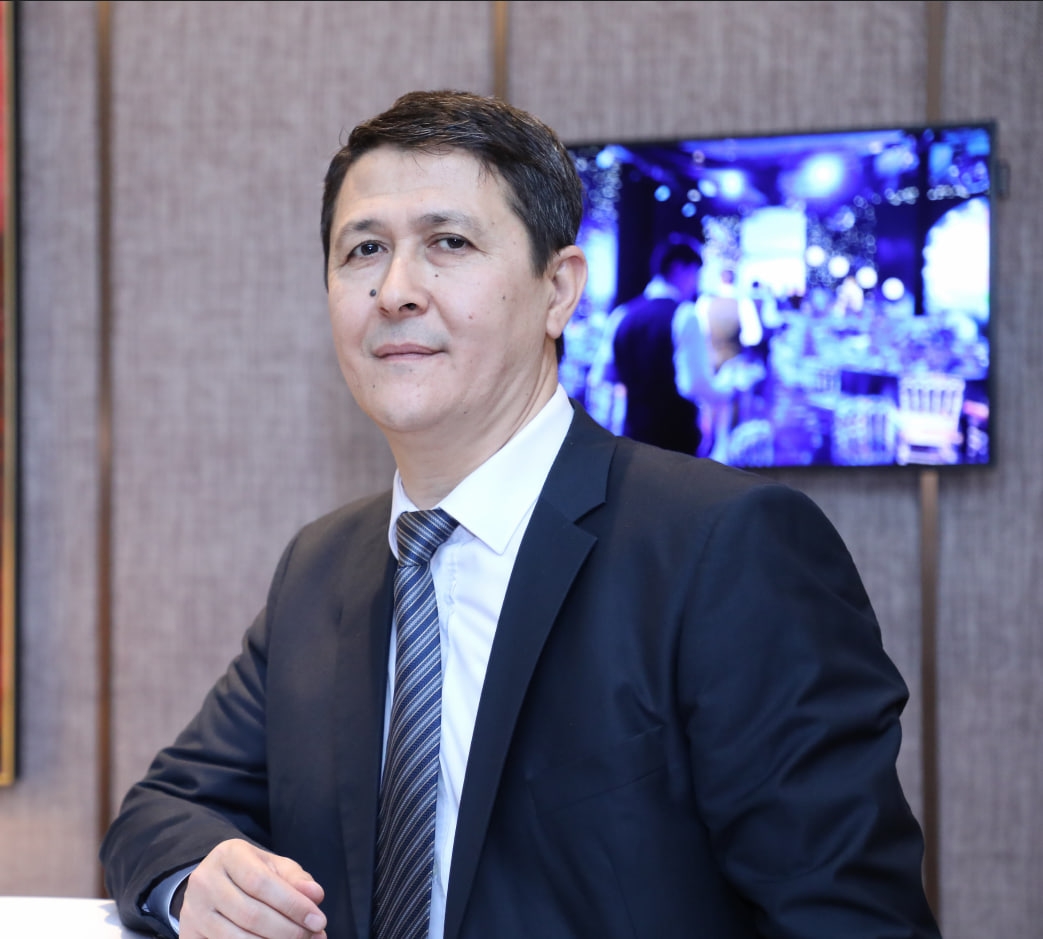
Jamshid SHARIPOV,
Head of Department at Development Strategy Center
The systemic reforms carried out in Uzbekistan in recent years have brought the country’s economy onto a sustainable growth trajectory. For the first time in our history, the volume of gross domestic product reached $145 billion, foreign investments ‒ $43.1 billion, exports ‒ $33.4 billion, gold and foreign exchange reserves ‒ $60 billion. Unemployment decreased to 4.9 percent, and the poverty rate ‒ to 5.8 percent. These indicators clearly demonstrate the consistency of the country’s economic policy and the effectiveness of reforms.
However, the ongoing global changes, instability in international markets, geoeconomic risks, the technological revolution, and the processes of transition to “green” economy require new approaches from Uzbekistan as well. Therefore, updating the “Uzbekistan-2030” Strategy and adapting it to real conditions and long-term goals has become a pressing task.
The strategy under review provides not for quantitative, but for qualitative approaches. Within the framework of the economic direction of this strategy, structural transformations of the economy, creation of high added value, increasing labour productivity, and stable growth of household incomes have been identified as priority tasks. The main goal is to increase the volume of the economy by at least twofold by 2030, to bring the per capita income to $5,800, and make Uzbekistan one of the “upper-middle-income” countries.
Ensuring, first of all, macroeconomic stability is defined as a strategic task. By 2030, it is planned to bring the volume of gross domestic product to $240 billion, stabilize the inflation rate at 5-6 percent, prevent the consolidated budget deficit from increasing by more than 3 percent of GDP, and keep the state debt at no more than 50 percent. These measures will increase the economy’s resilience to external shocks and contribute to the uninterrupted financing of social programs and infrastructure projects.
The second important direction is the reform of the tax-budget and financial management system. It is planned to increase the share of tax revenues in GDP to 19.2 percent, the level of collection of tax arrears to 97 percent, and the share of customs revenues in GDP to 6.5 percent. At the same time, the complete transfer of 52 ministries and agencies to the “program budgeting” system, will increase the effectiveness of state expenditures and ensure a tangible return on each budget sum.
Developing industry and creating high added value is one of the central directions of the strategy. By 2030, it is planned to increase the volume of technological production in industry by 2.5 times, bring the volume of added value in industry from $36.5 billion to $60 billion, and create 2.5 million well-paid jobs. Increasing the production of passenger cars to 1 million units, developing mechanical engineering, electrical engineering, chemistry, and pharmaceuticals will contribute to forming the new “driver” sectors of the economy. This is especially important for ensuring youth employment and increasing economic activity in the regions.
Improving the investment climate is an important component of the strategy. It is planned to increase the volume of attracted foreign investments by an average of 7 percent a year, bring the volume of trading in the securities market to 8 billion dollars, and bring 40 enterprises with state participation to the “People's IPO”. This will expand the participation of the population in investment processes, and the share of the private sector in the economy is expected to increase to 85%.
In the updated strategy, special attention is paid to the transition to a “green economy”. By 2030, it is planned to bring the total capacity of renewable energy sources to 25 thousand MW, increase their share in electricity generation to 54 percent, and reduce greenhouse gas emissions intensity by 35 percent compared to 2010 levels. This will ensure energy security and long-term economic growth along with environmental sustainability.
The “goal – action – result” principle outlined in the draft decree plays a crucial role in ensuring the effectiveness of reforms. All indicators will be constantly monitored through the digital platform and divided into “green”, “yellow”, and “red” categories. This will strengthen personal responsibility in public administration and ensure the practical results of reforms.
Summarizing, we can say that the updated “Uzbekistan-2030” strategy is not just a collection of huge numbers or plans. This is a comprehensive program aimed at improving the quality of life of every citizen, creating stable jobs, increasing income, and strengthening confidence in the future. This strategy serves as a solid foundation for bringing Uzbekistan to a new stage of development.
 English
 Русский
 О'zbek


